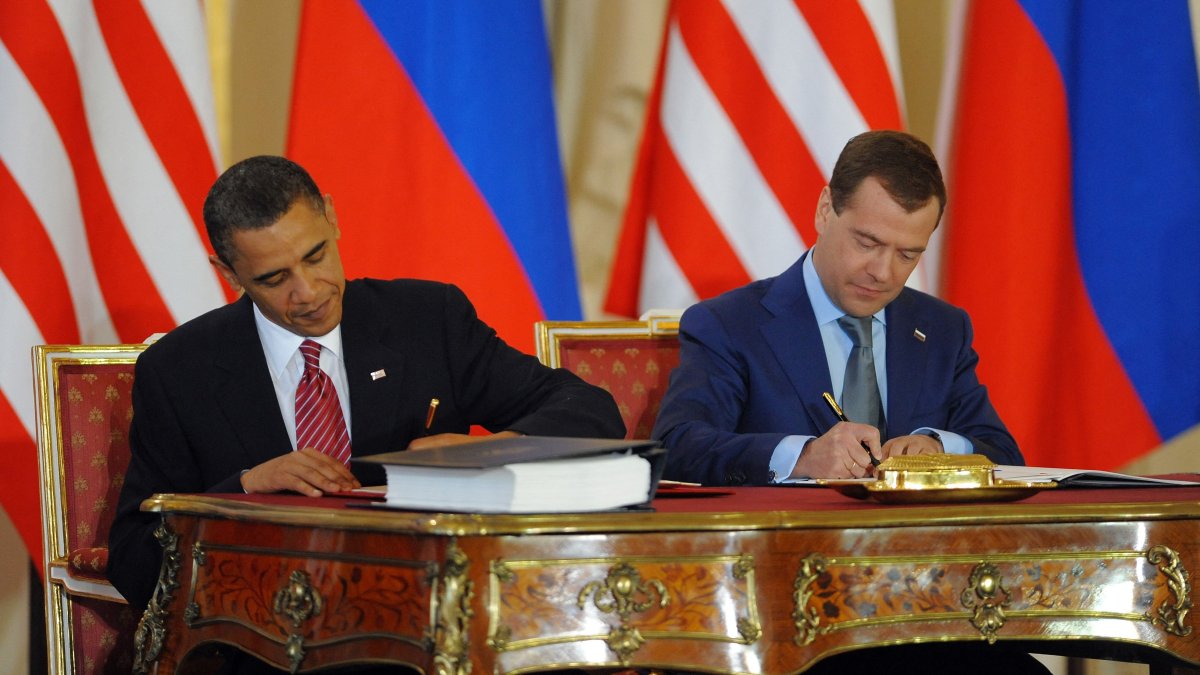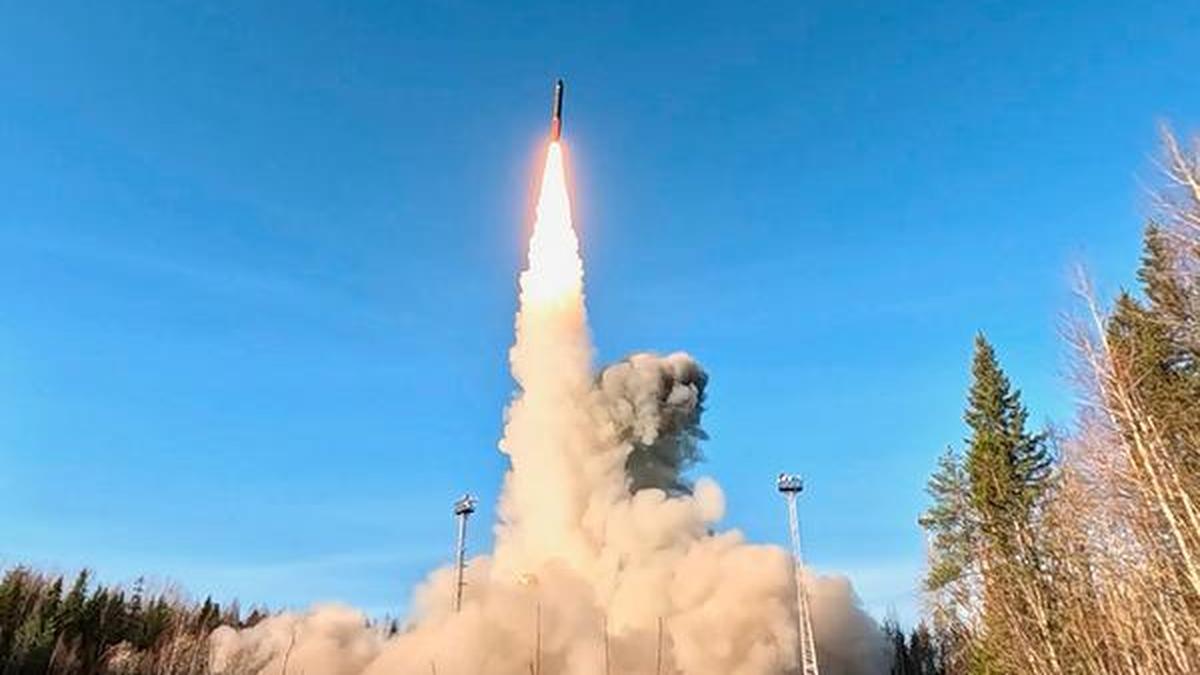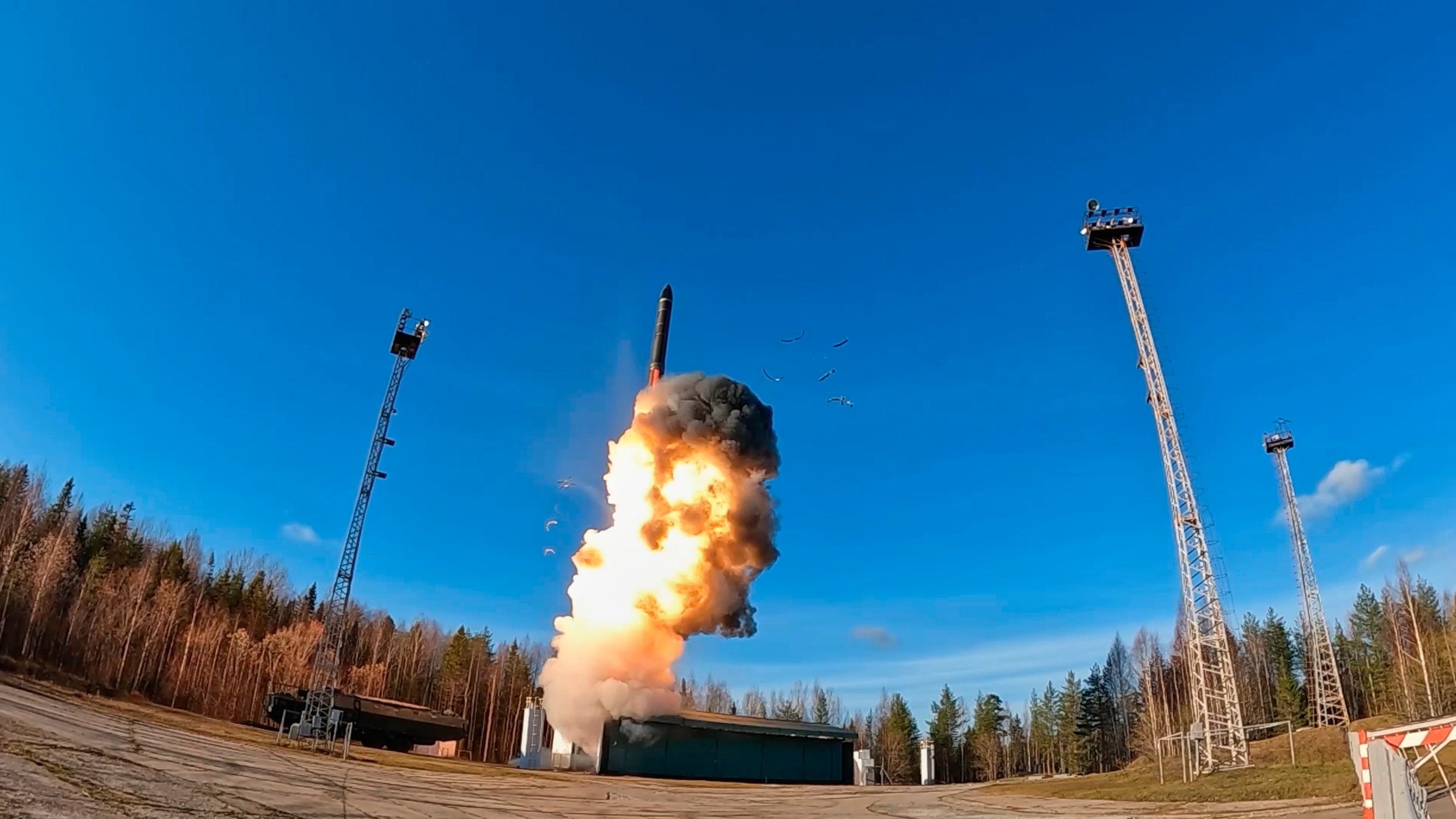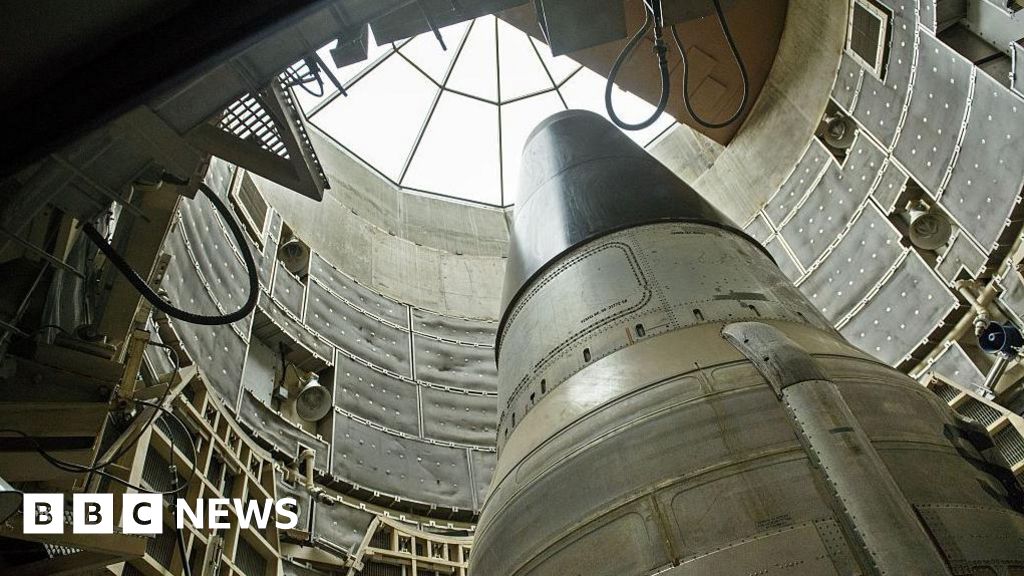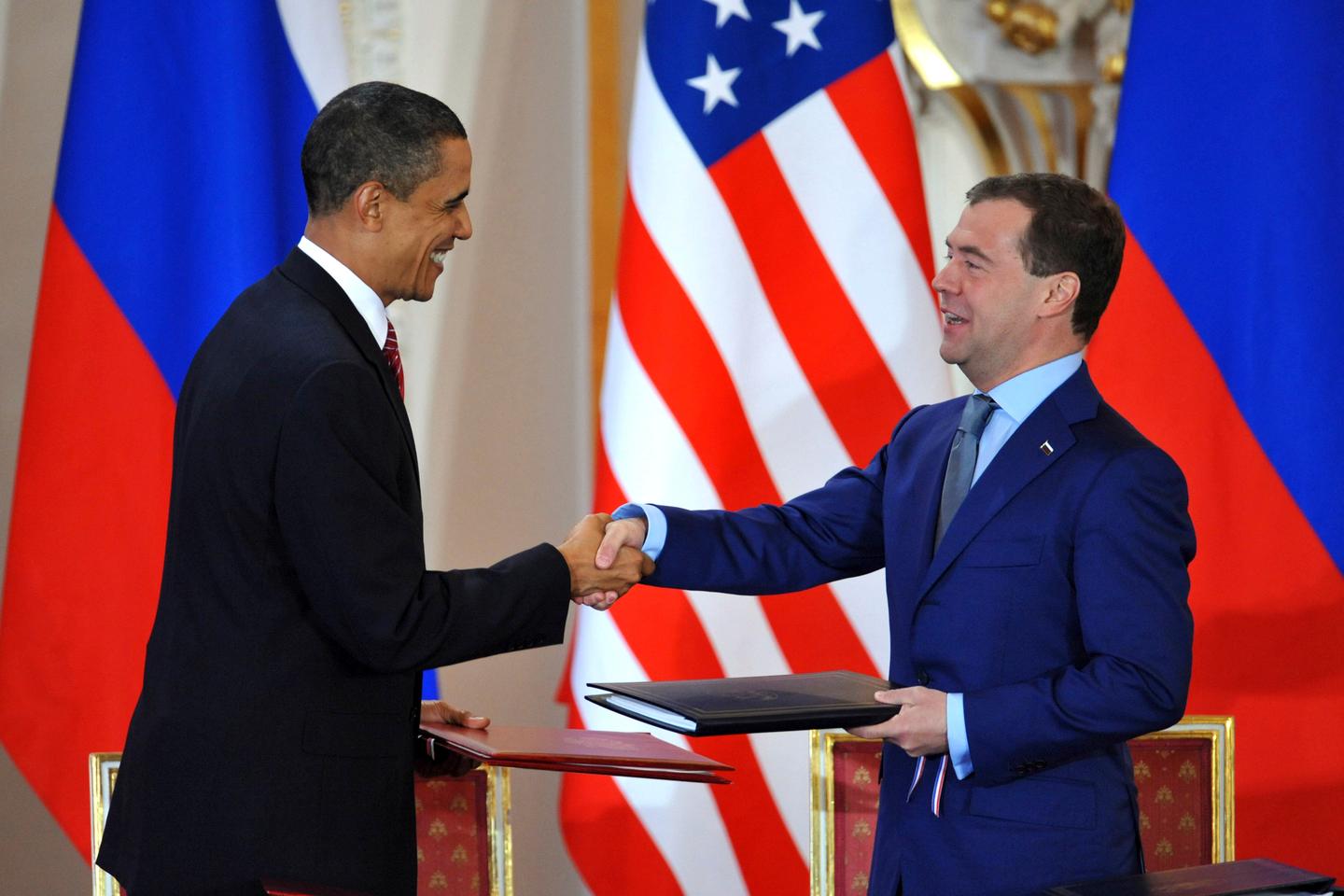
The global legal framework for nuclear weapons control faces fresh setbacks in 2026, as the U.S.-Russia New START treaty expires on Feb. 5 and New York hosts the NPT Review Conference in April, raising concerns over eroding safeguards against nuclear crisis.
The RevCon, held every four to five years, is meant to keep the NPT alive. But during the last two sessions, the 191 signatory states failed to agree on a final document, and experts expect the same outcome in April.
"I think this is going to be a difficult RevCon," said Alexandra Bell, head of U.S.-based global security nonprofit the Bulletin of the Atomic Scientists, at a U.N.-hosted online conference in early December.
"In terms of the current state and near-future prospects of nuclear arms control architecture, things are bleak," she added.
Anton Khlopkov, director of Russian think-tank the Center for Energy and Security Studies (CENESS), took an even starker point of view, saying at the same event that "we are at the point of almost complete dismantlement of arms control architecture."