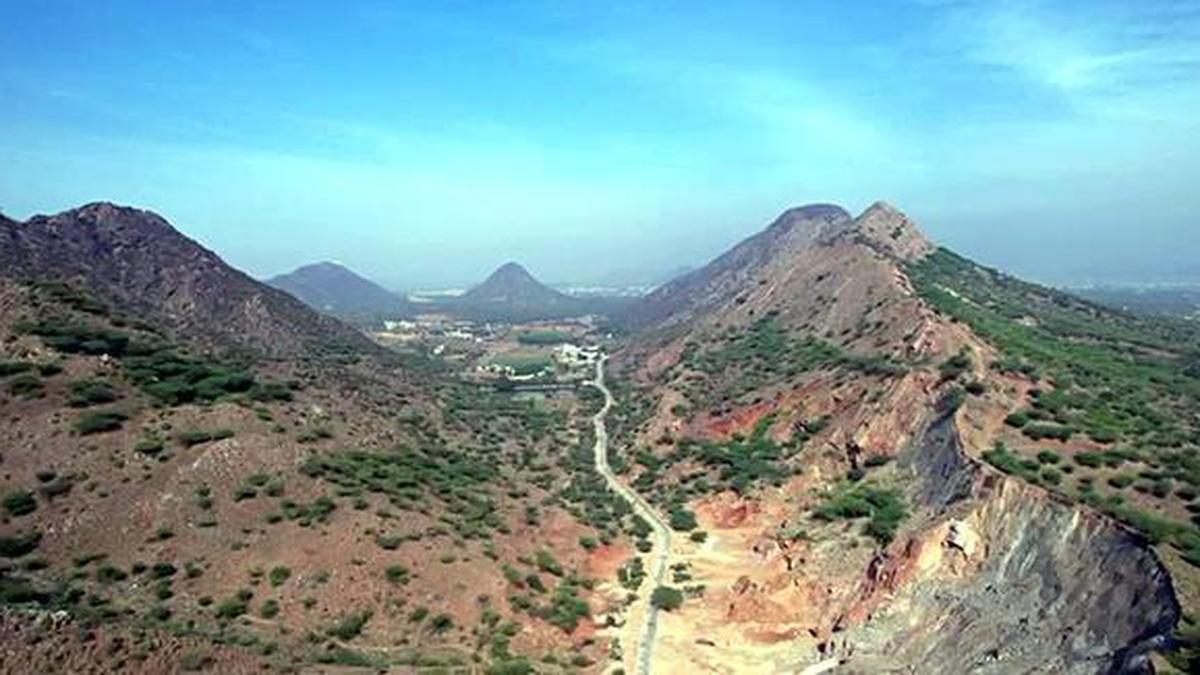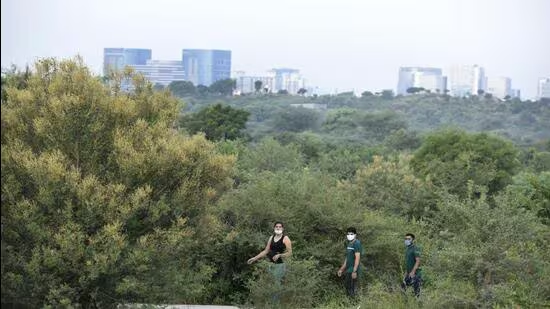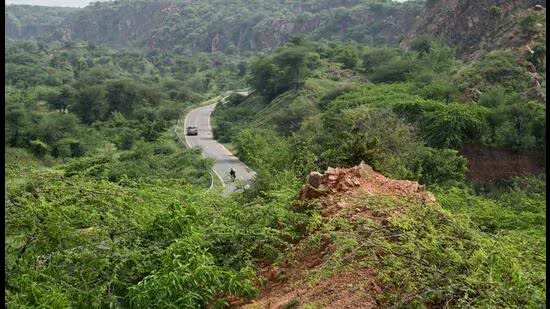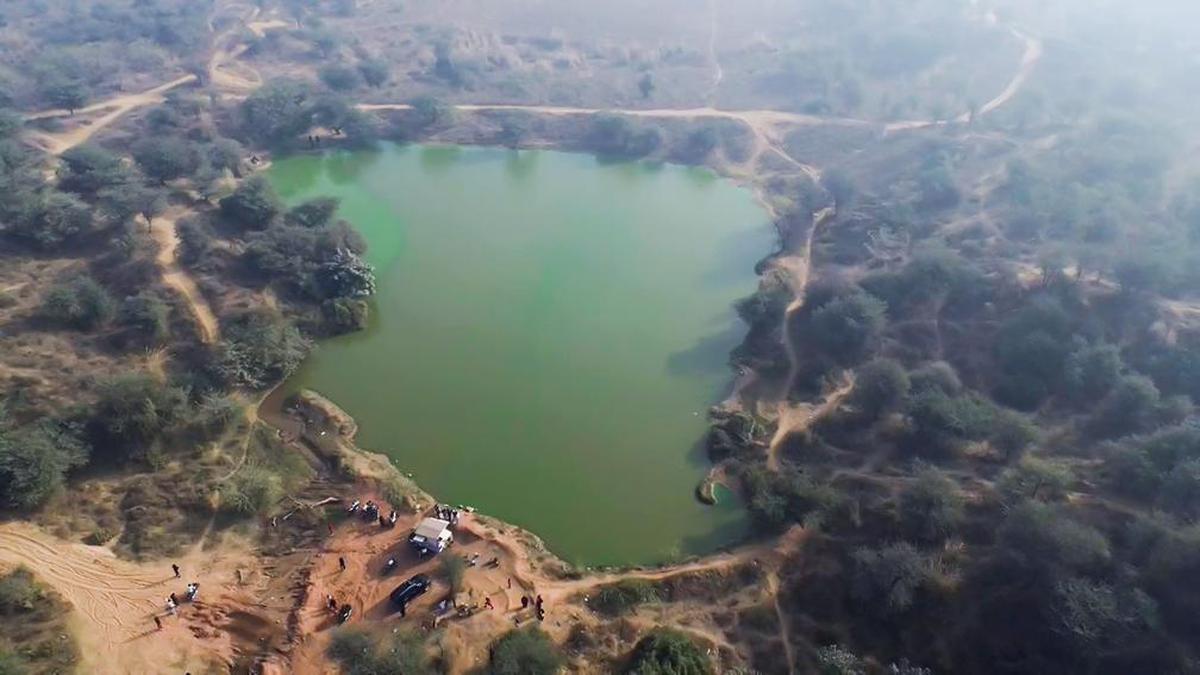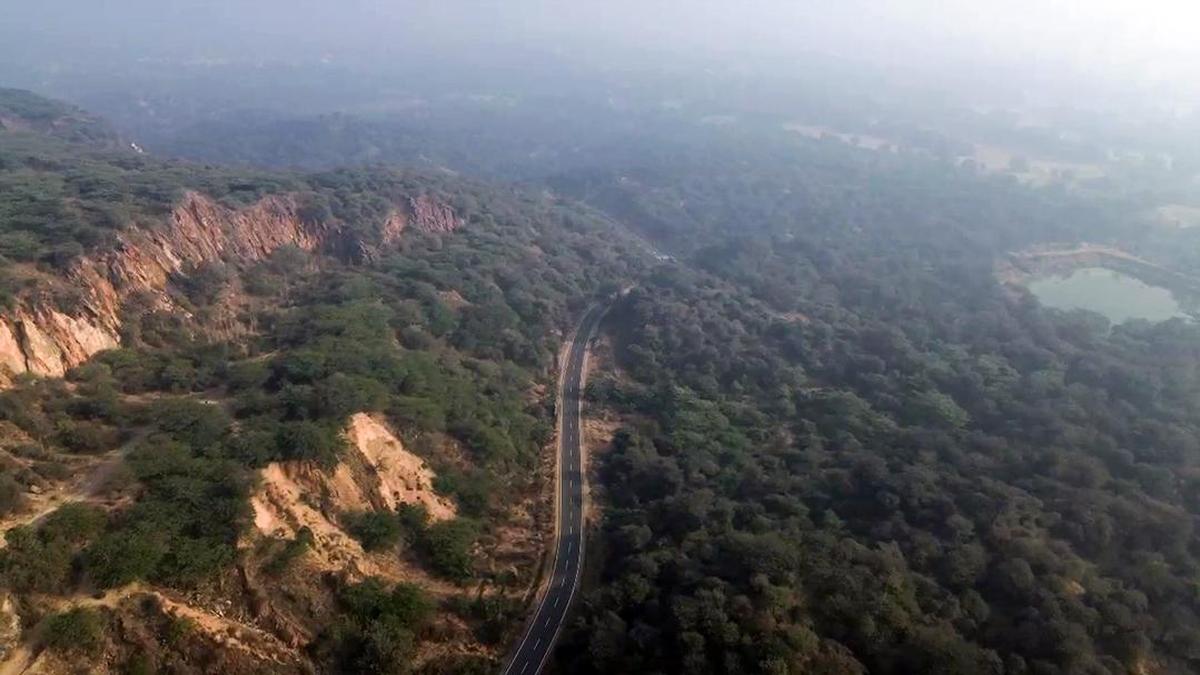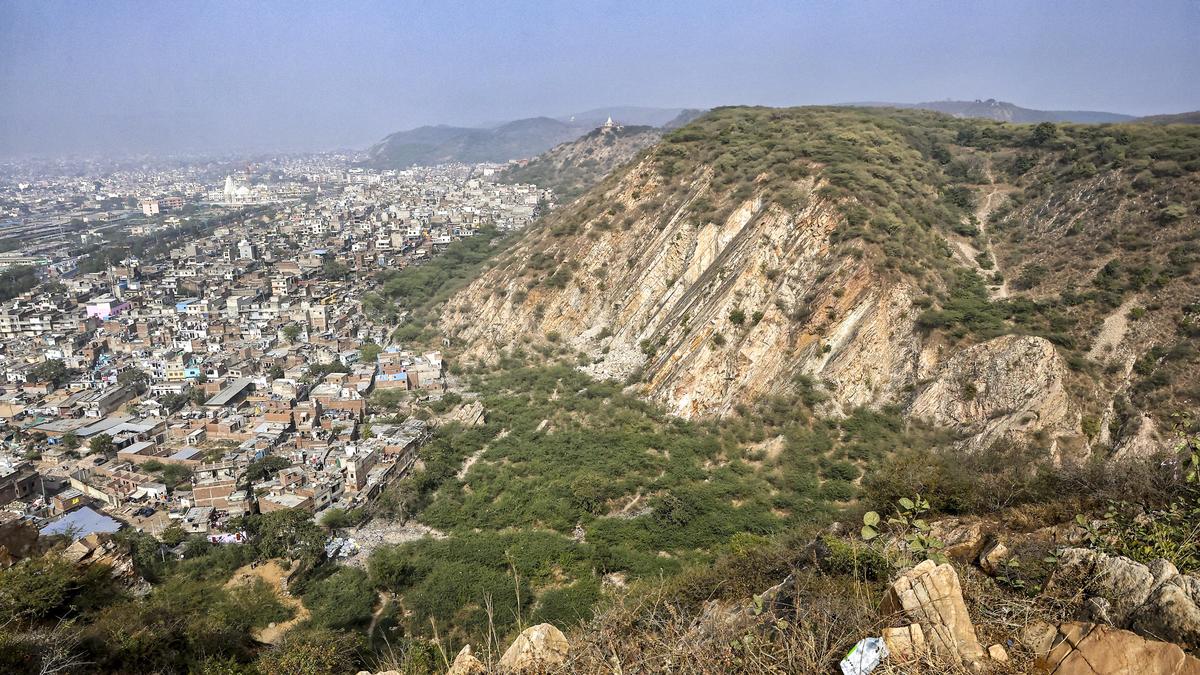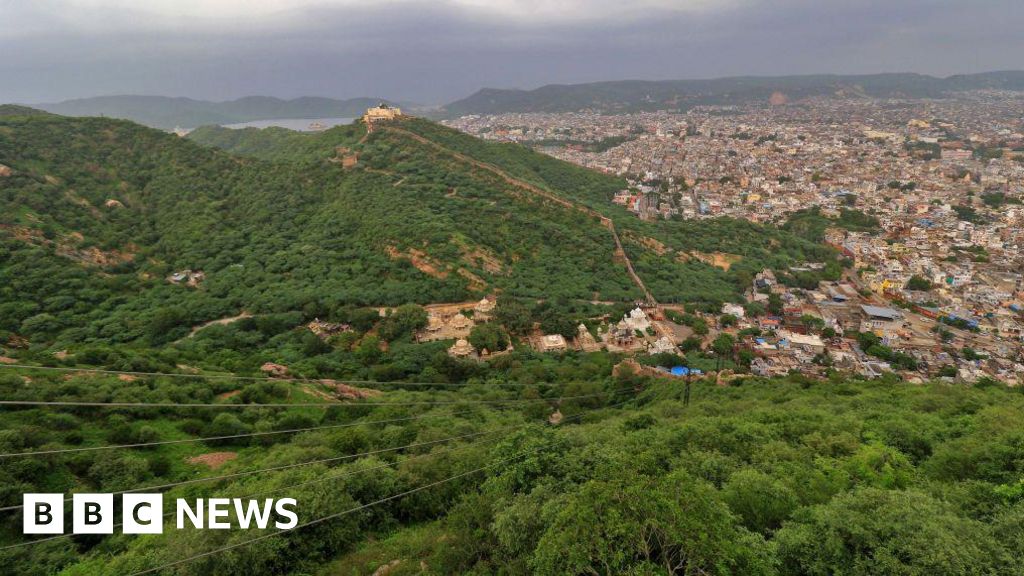
Protests have erupted across northern India after the Supreme Court redefined the Aravalli hills - one of the world's oldest geological formations spanning the states of Rajasthan, Haryana, Gujarat, and the capital, Delhi.
Under the new definition, accepted by the court following federal government recommendations, an Aravalli hill is any landform rising at least 100 metres (328 ft) above the surrounding terrain. Two or more such hills within 500 metres of each other, along with the land between them, are considered an Aravalli range.
Environmentalists argue that defining Aravalli hills by height risks leaving numerous lower, scrub-covered but ecologically critical hills unprotected from mining and construction.
The federal government, however, says that the new definition is meant to strengthen regulation and bring uniformity and not dilute protections.
This weekend, peaceful protests took place in cities including Gurugram and Udaipur, led by local residents, farmers, environmental activists, and, in some cases, lawyers and political parties.