A masterful introduction to the economics of our most basic asset
‘T
he landlord is a gentleman who does not earn his wealth … his sole function, his chief pride, is the consumption of wealth produced by others.” It was 1909, and a liberal politician was launching an assault on a class of people who – in the eyes of many – contributed nothing to Britain’s advances in industry while living off its gains.
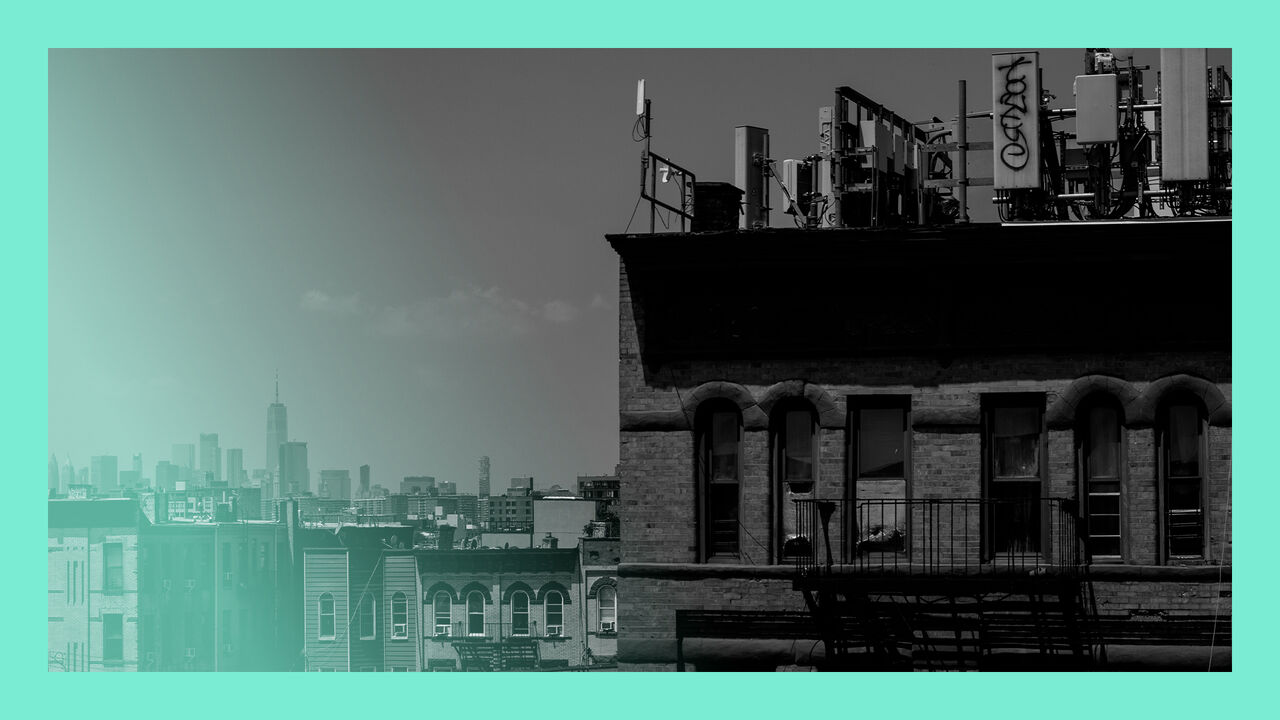
A little over a century after David Lloyd George’s Limehouse speech, and it feels as though the issue of land has returned to politics: an analysis of MPs’ financial interests revealed that a quarter of all Tory MPs earned more than £10,000 from renting out property, while 44 Labour MPs – 11% – did the same. The winner of the most dazzling political campaign of the past year, New York City mayor-elect Zohran Mamdani made “freeze the rent” his central pledge. On the right, a revolt against property taxes is gathering pace. Journalist Mike Bird’s history of the most basic asset arrives, then, at an opportune moment.
Land ownership has, of course, been critically important for most of history, tied up with financial independence and social status. But its role changed dramatically with the Industrial Revolution and the growth of cities.