Milder weather led to a bloom in the invertebrates in south Cornwall and Devon, wildlife charity says
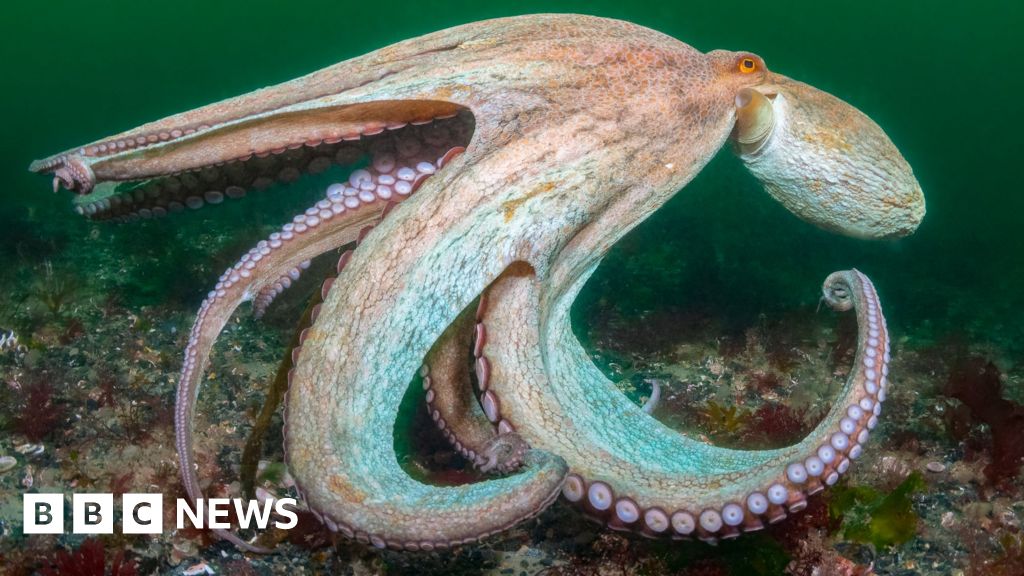
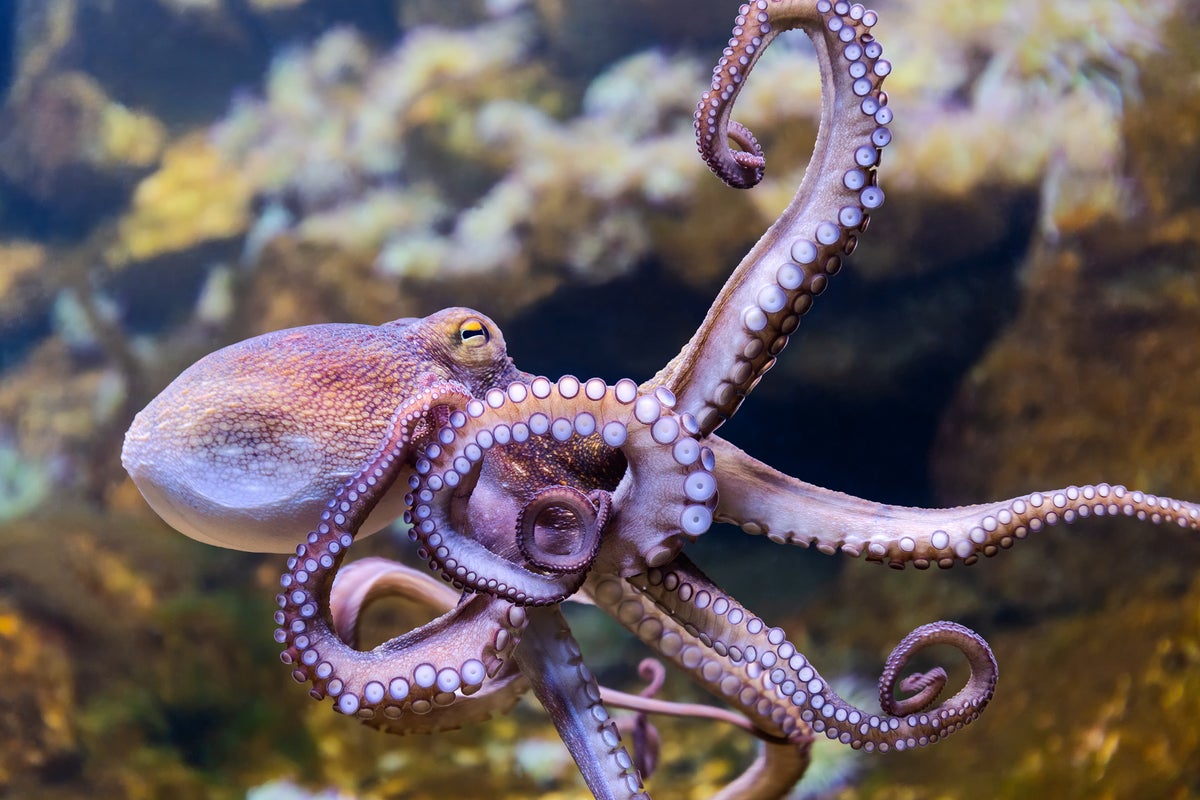
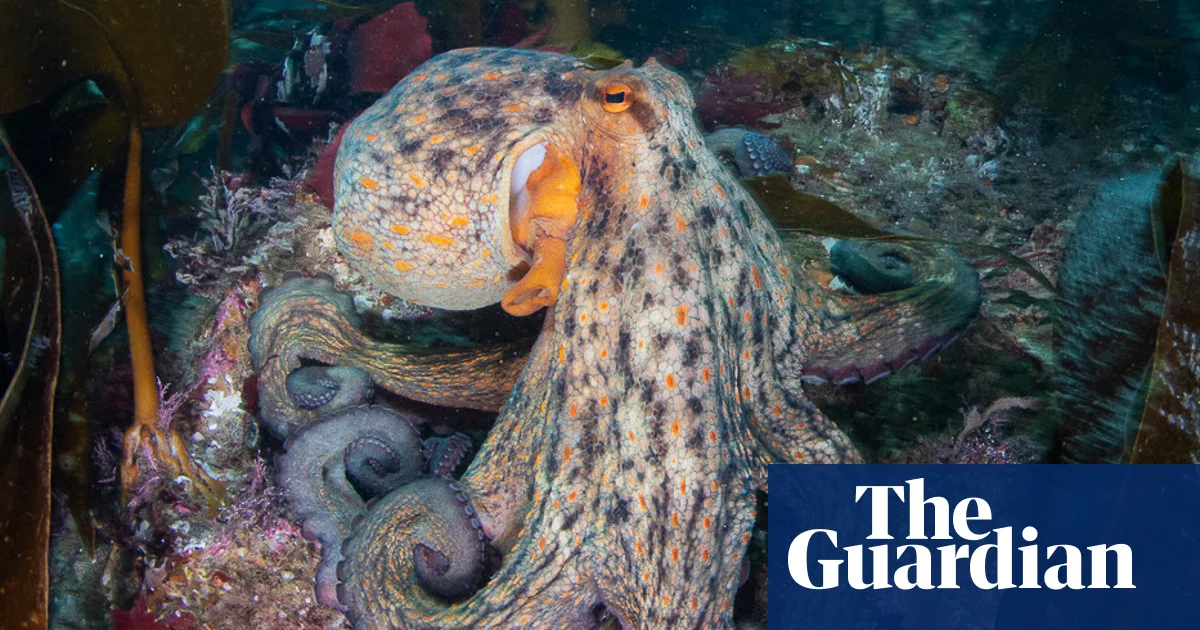
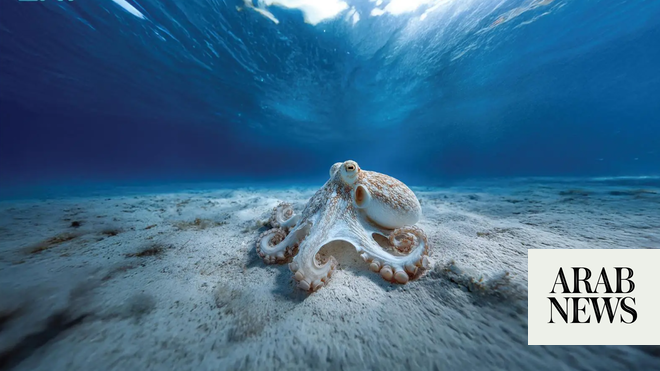
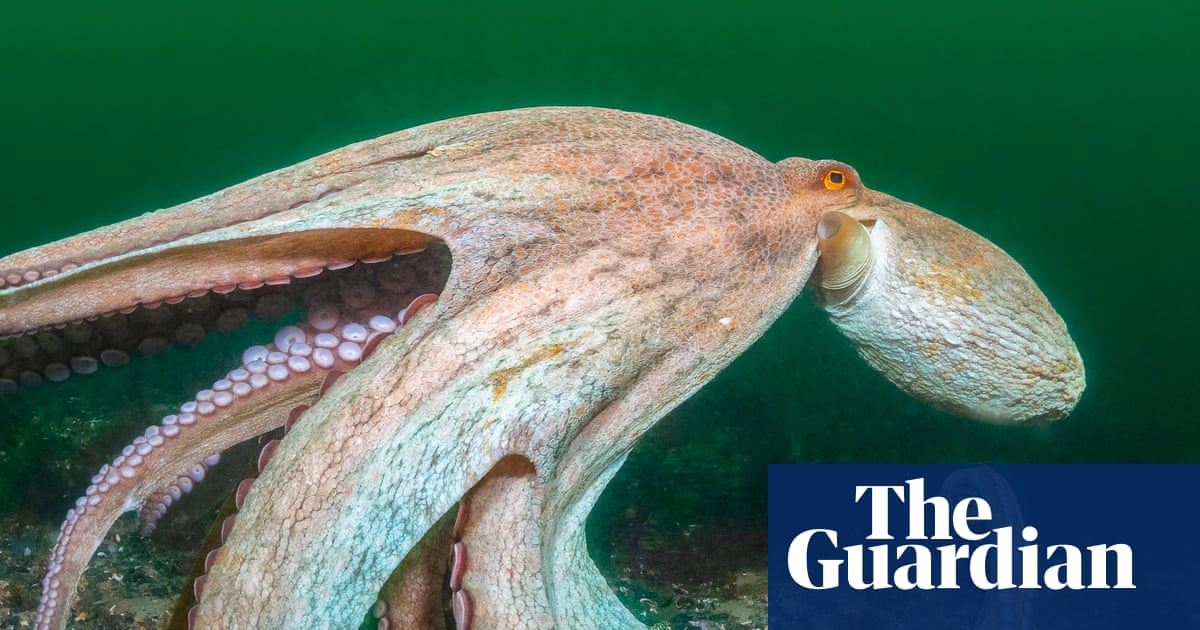
Record numbers of sightings of one of the world’s most intelligent invertebrates over the summer have led the Wildlife Trusts to declare 2025 “the year of the octopus” in its annual review of Britain’s seas.
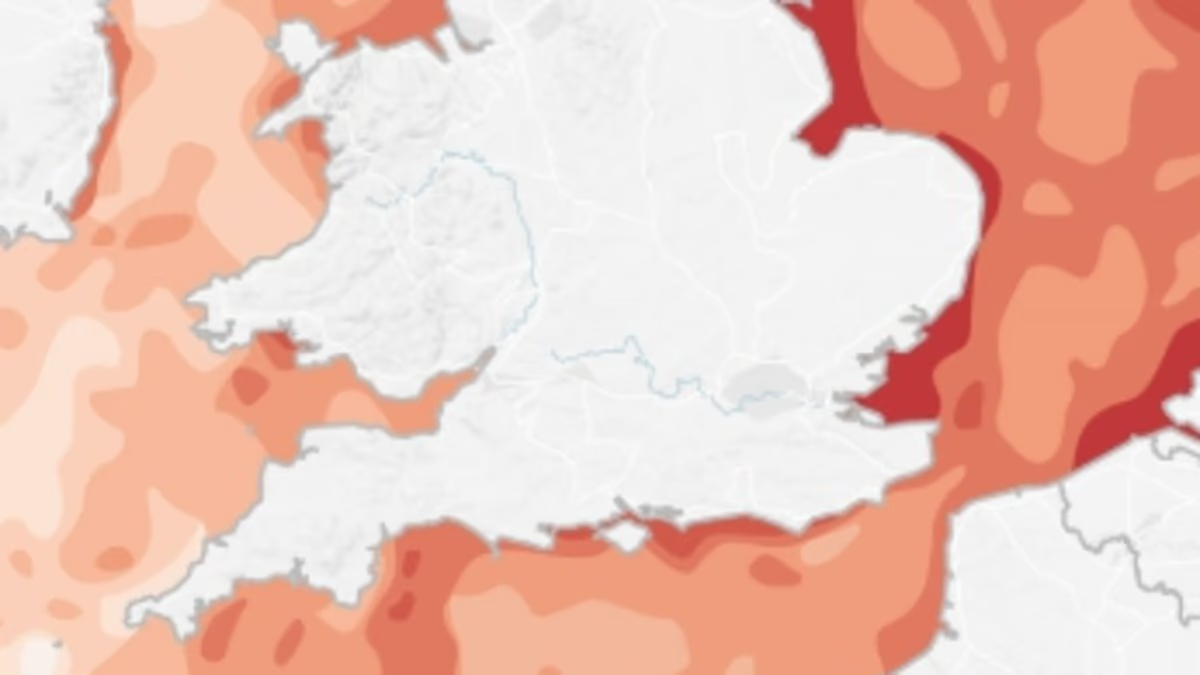
A mild winter followed by an exceptionally warm spring prompted unprecedented numbers of Mediterranean octopuses to take up residence along England’s south coast, from Penzance in Cornwall to south Devon.
“The scale of the catch [recorded by local fishers] was of the order of about 13 times what we would normally expect in Cornish waters,” said Matt Slater, a marine conservation officer at Cornwall Wildlife Trust. “When we added up the numbers, approximately 233,000 octopuses were caught in UK waters this year – that’s a huge increase from what you would normally expect.”
The common or Mediterranean octopus, Octopus vulgaris, is native to UK waters but ordinarily in such small numbers it is rarely seen. A sudden increase in the population – a bloom – is caused by a combination of a mild winter followed by a warm breeding season in the spring. The ideal conditions meant that more of the larvae of the common octopus were likely to survive, said Slater, possibly in part fuelled by the large numbers of spider crabs that have also been recorded along the south coast in recent years.