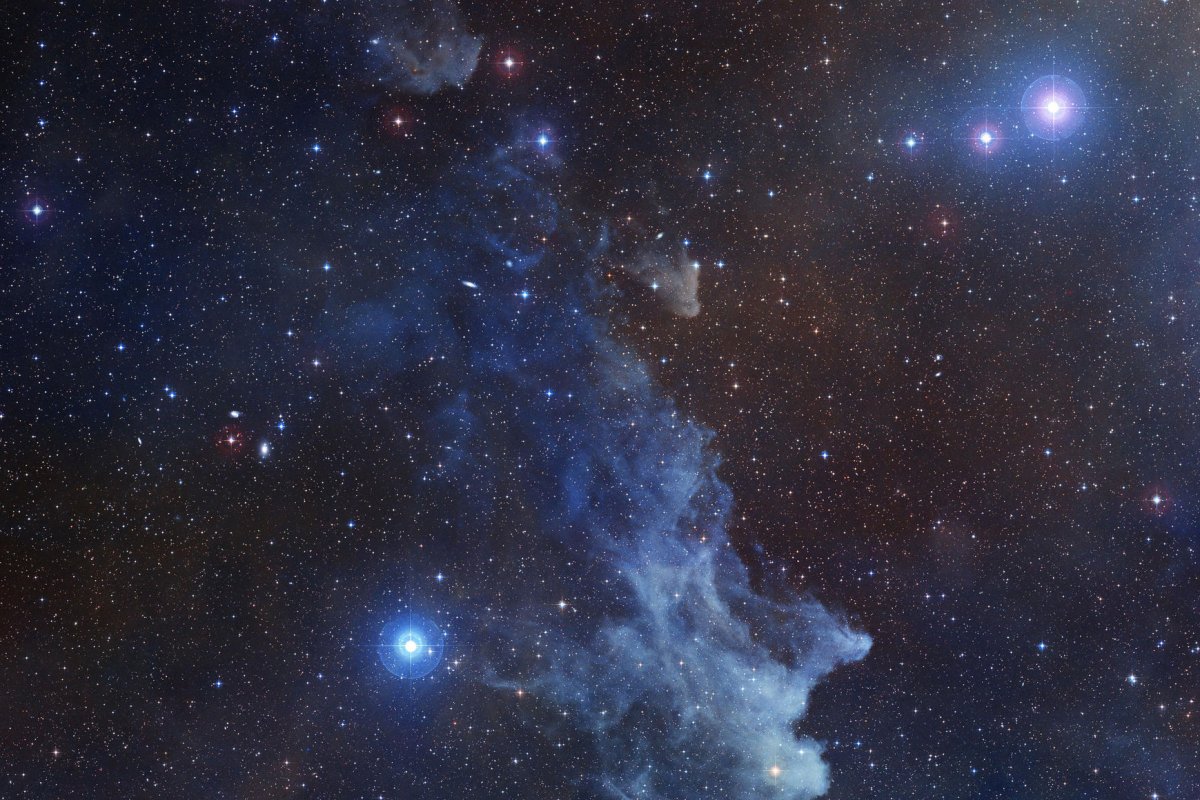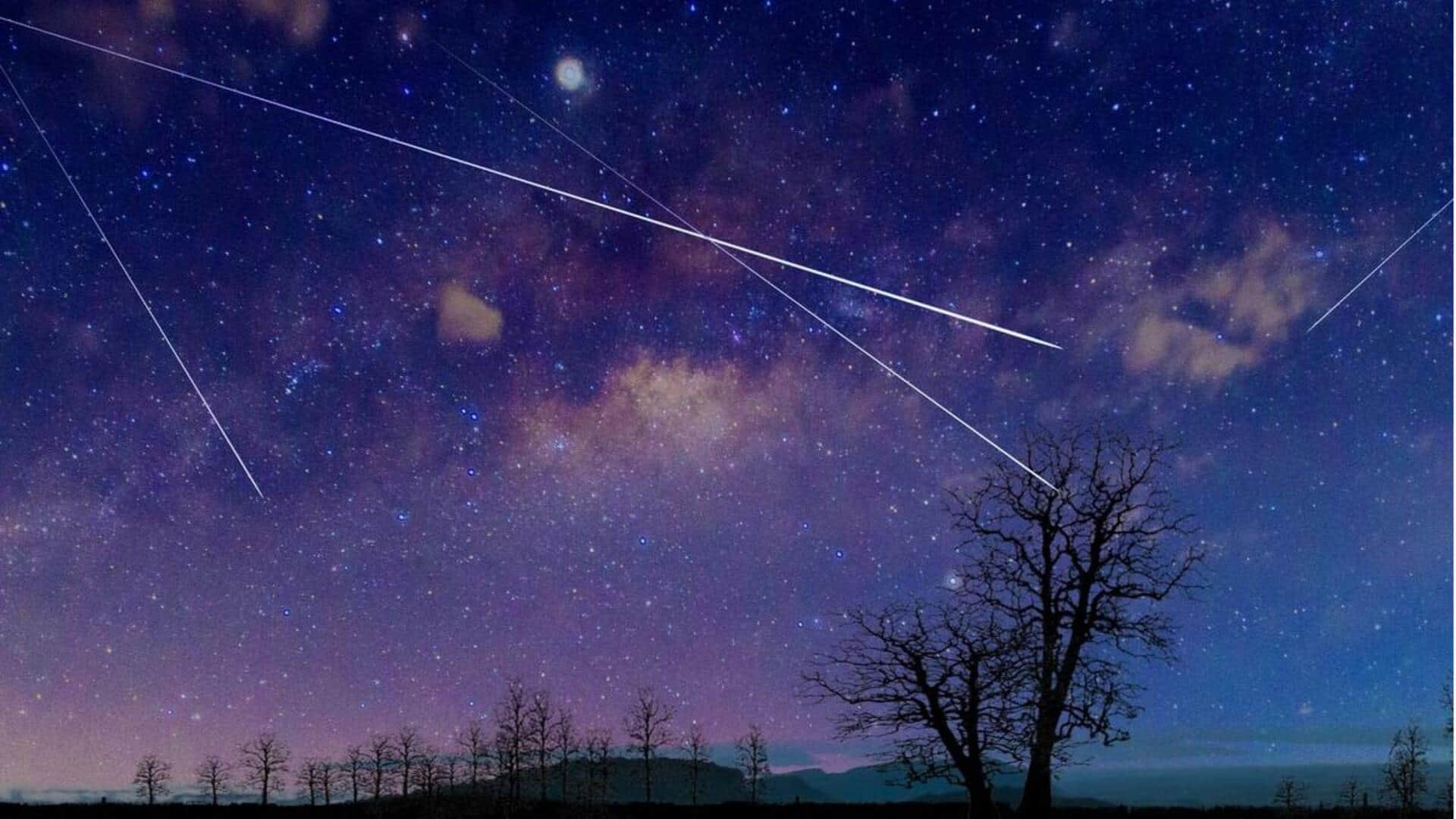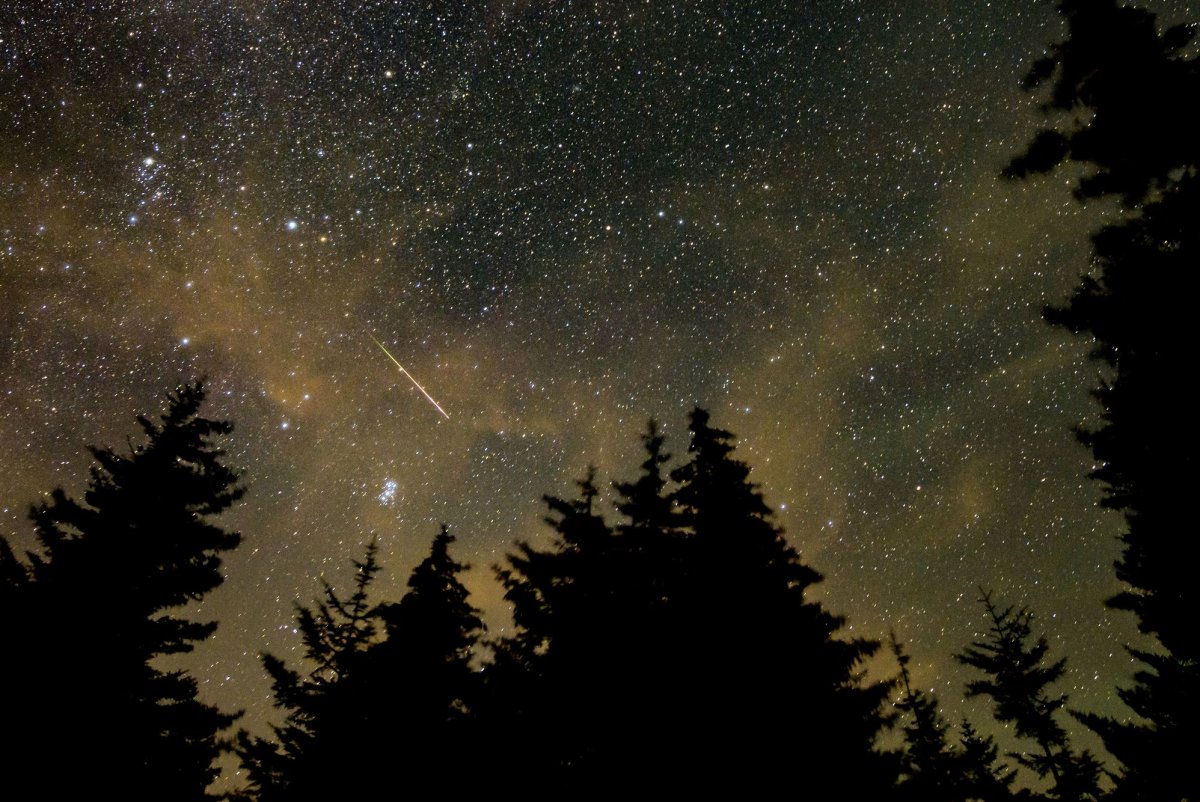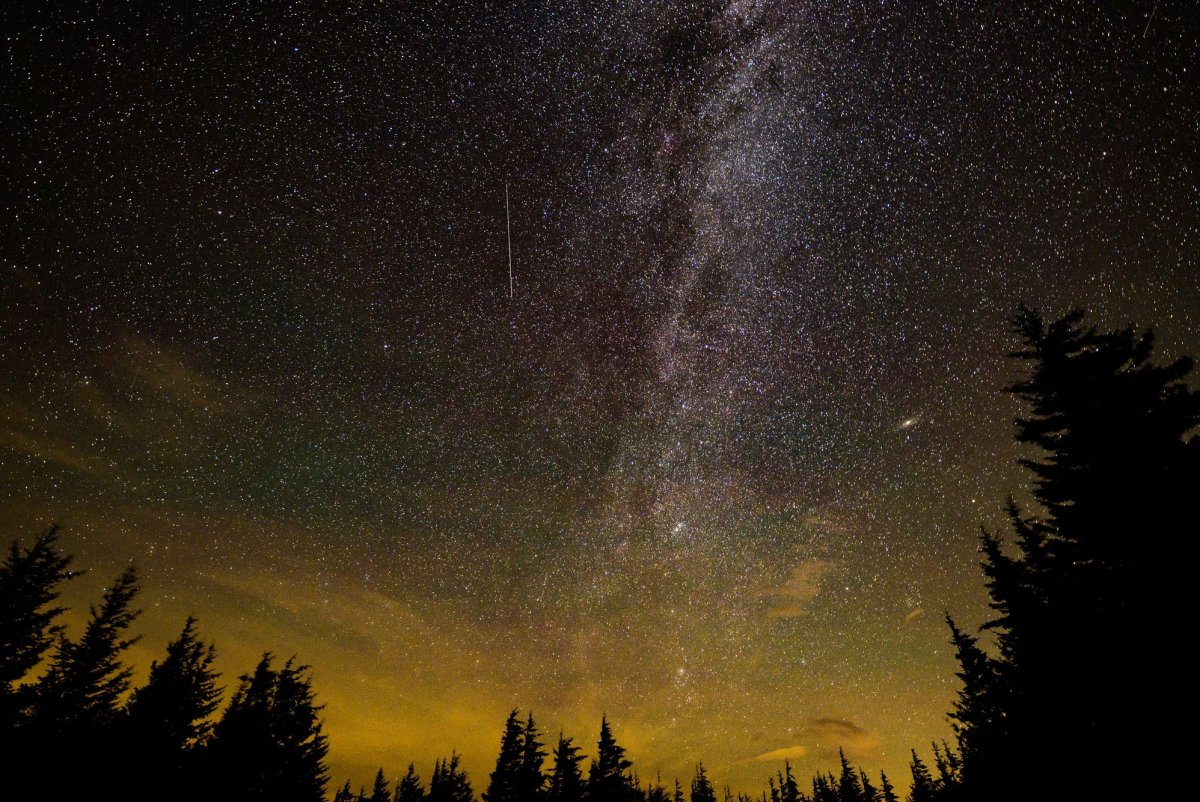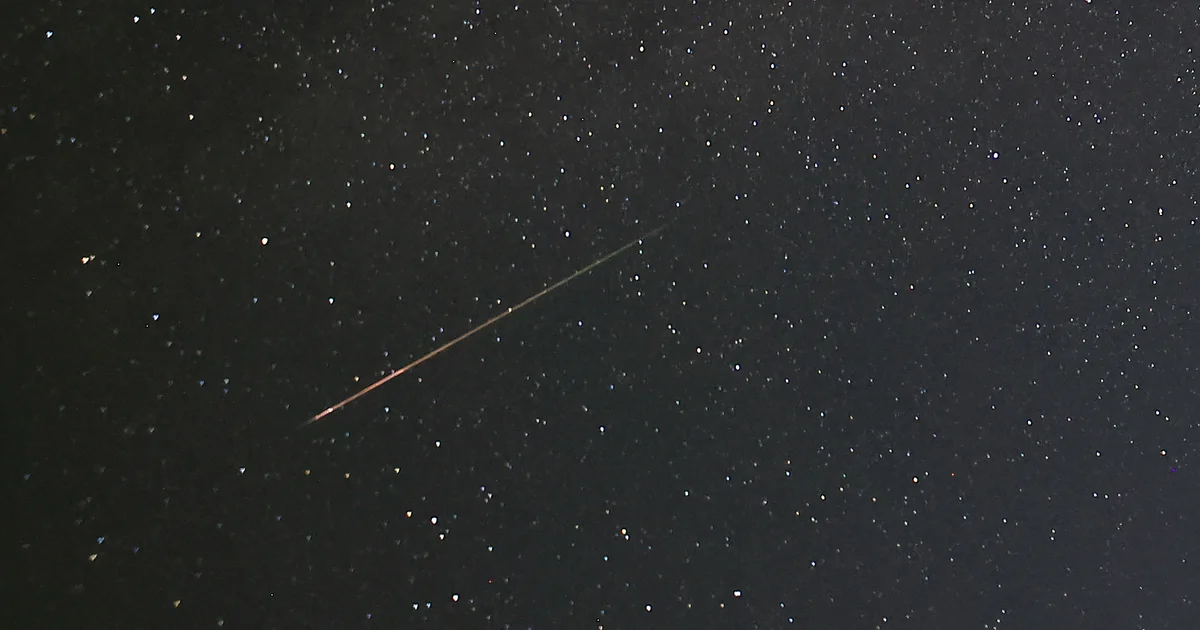
Dec. 21 (UPI) -- The Ursid meteor shower peaks Sunday night into early Monday morning, and is the last major event on the celestial calendar this year.
Observers have the best chance to see between five and 10 meteors per hour between midnight and 5 a.m. EST Monday -- or between 9 p.m. PST Sunday and 2 a.m. Monday -- according to Robert Lunsford, a coordinator with the American Meteor Society.
The shower coincides with the winter solstice in the Northern Hemisphere, the shortest day of the year as measured by daylight hours, when it is the furthest distance from the sun and the hemisphere experiences the most darkness of the year, creating the best atmosphere for the meteors to be visible.
The shower is only visible to people in the Northern Hemisphere because the point from which the meteors appear, the so-called radiant, never rises high enough in the sky to be visible in the Southern Hemisphere.
Related