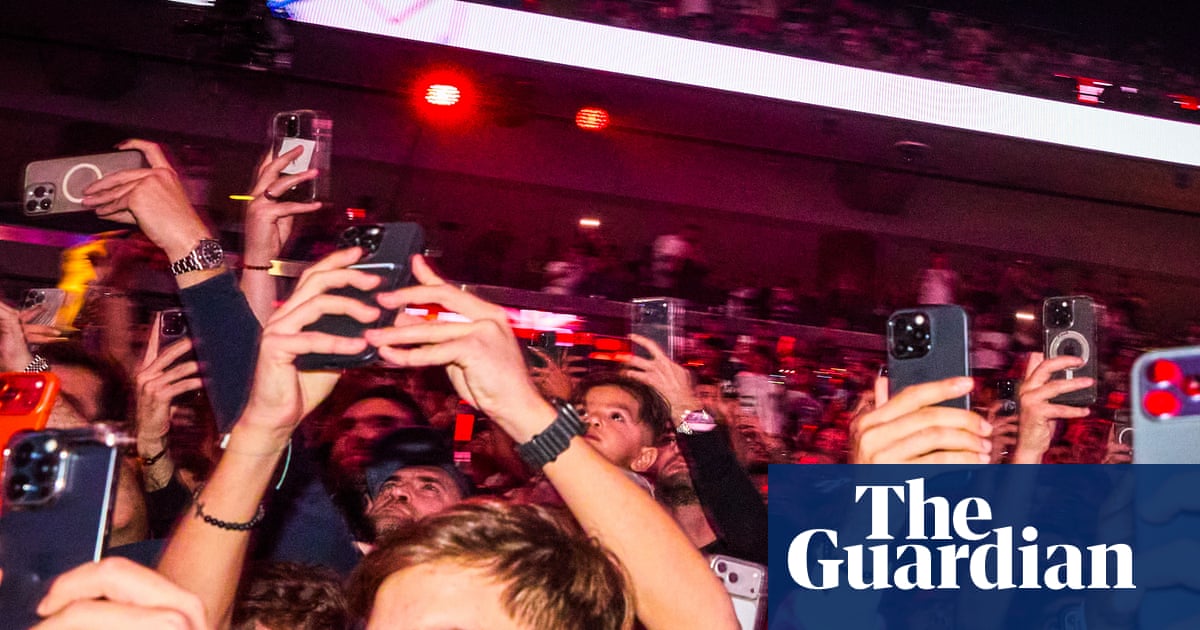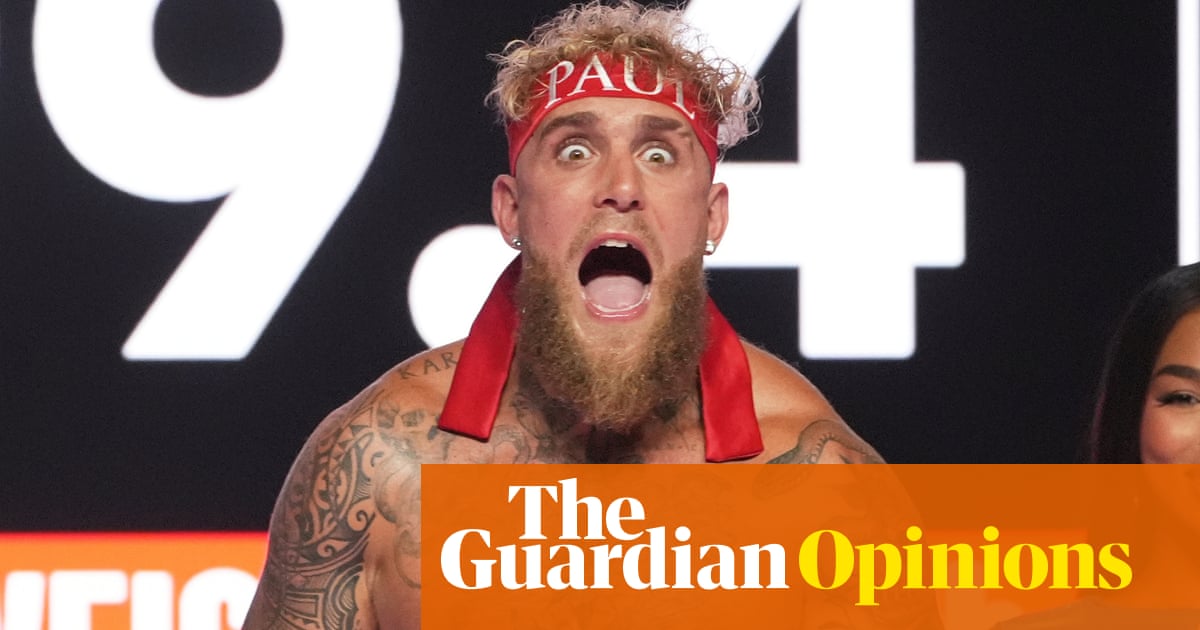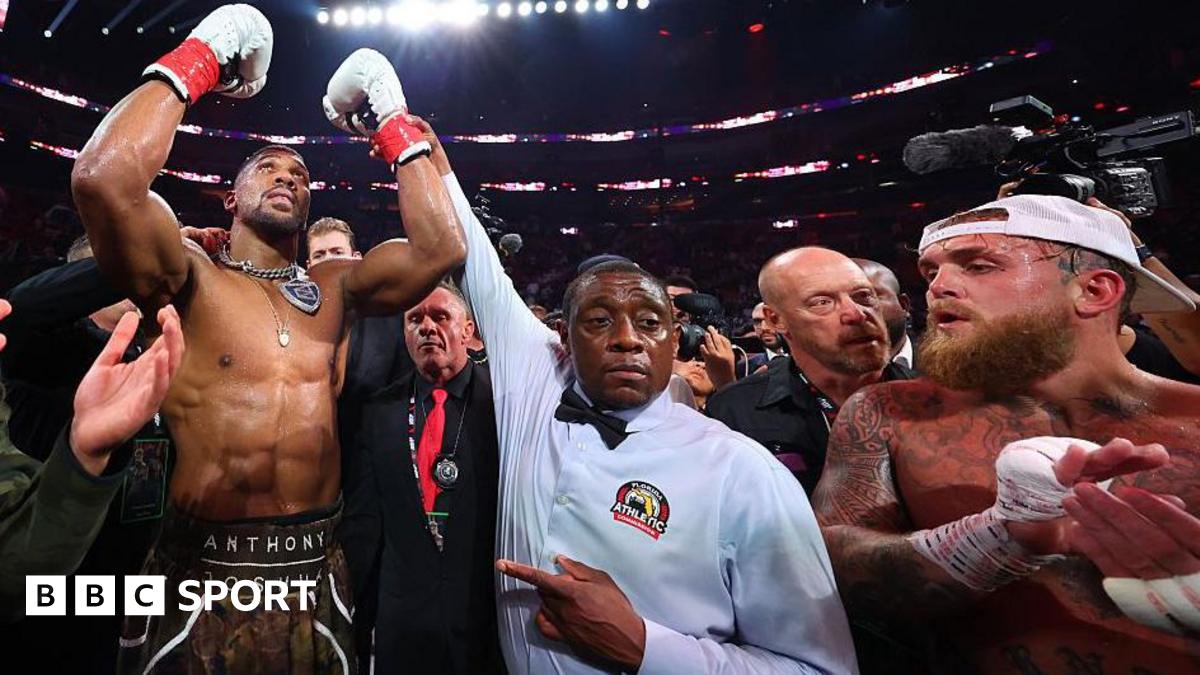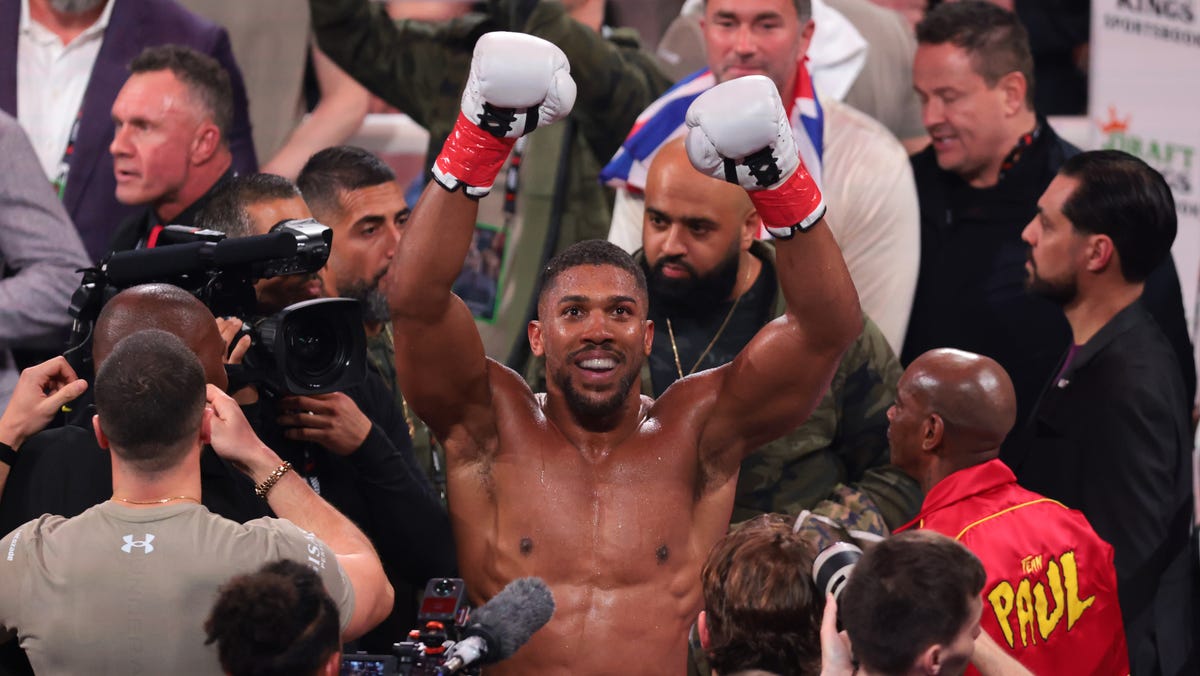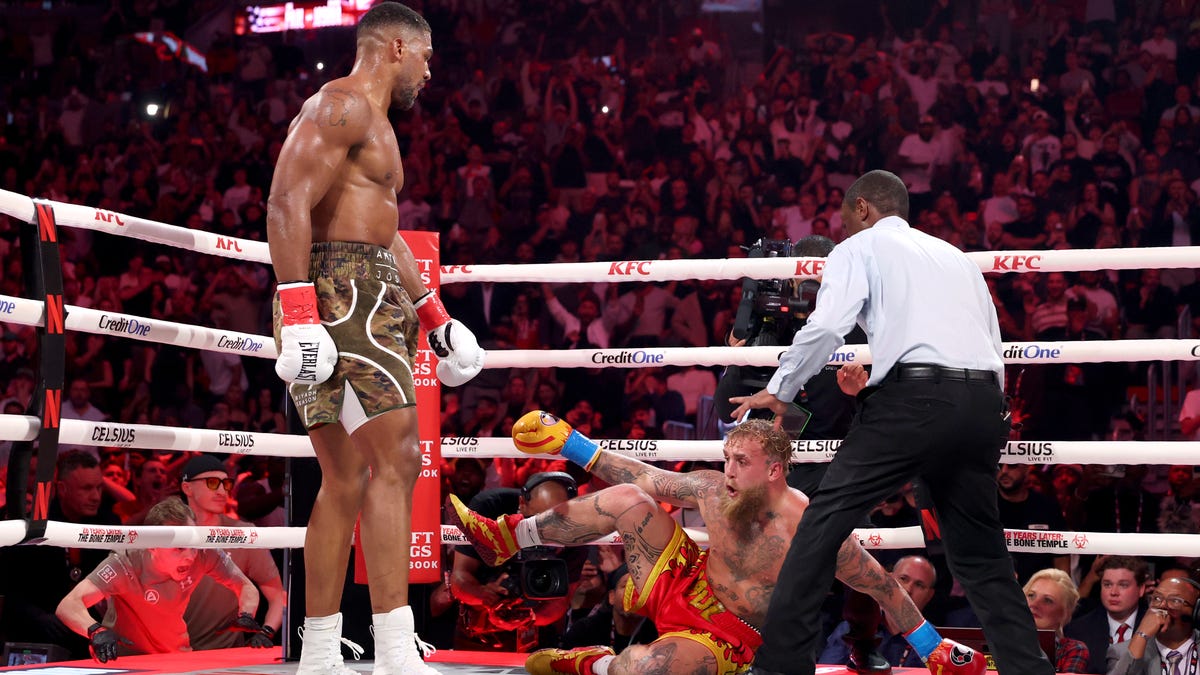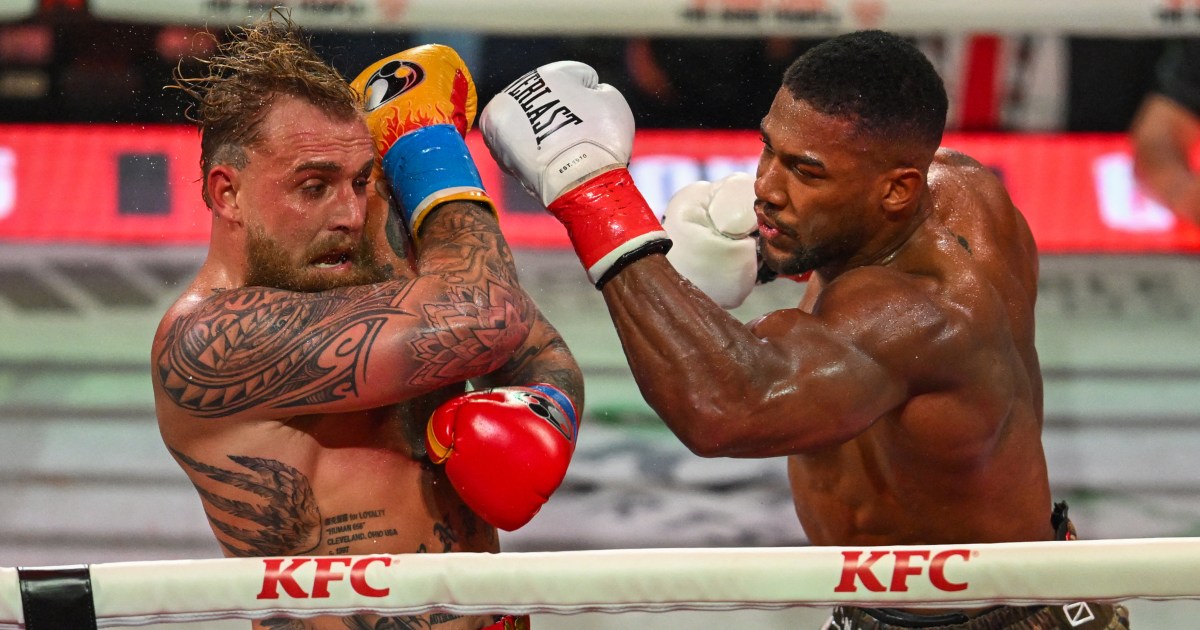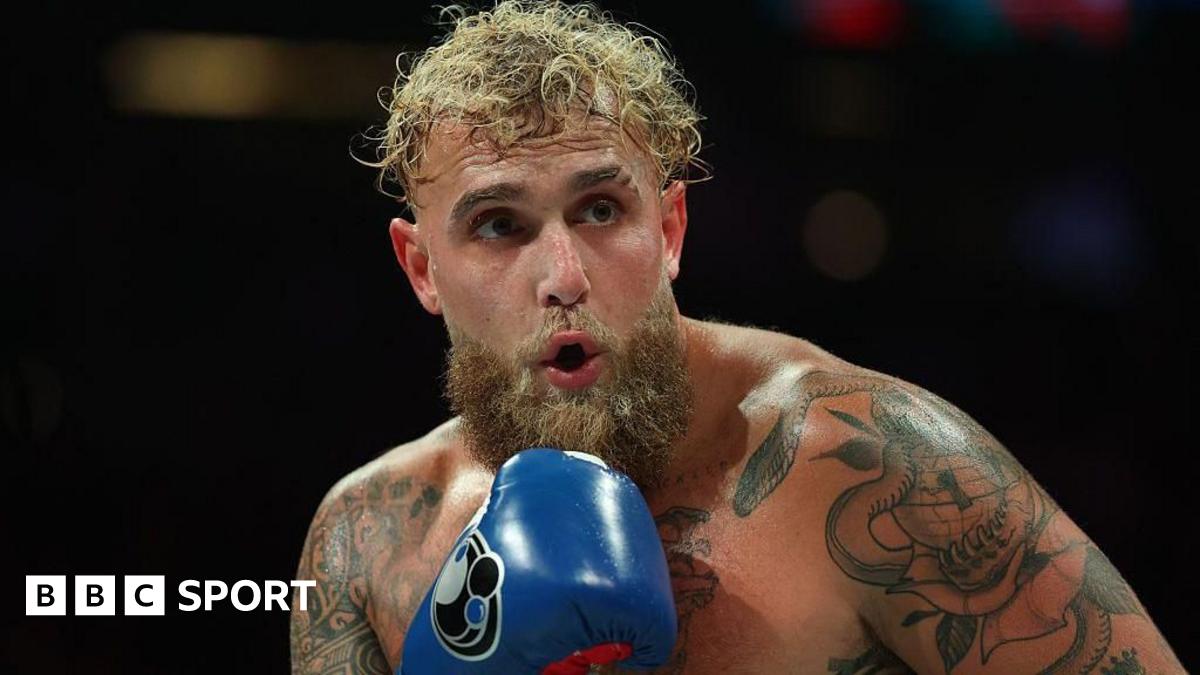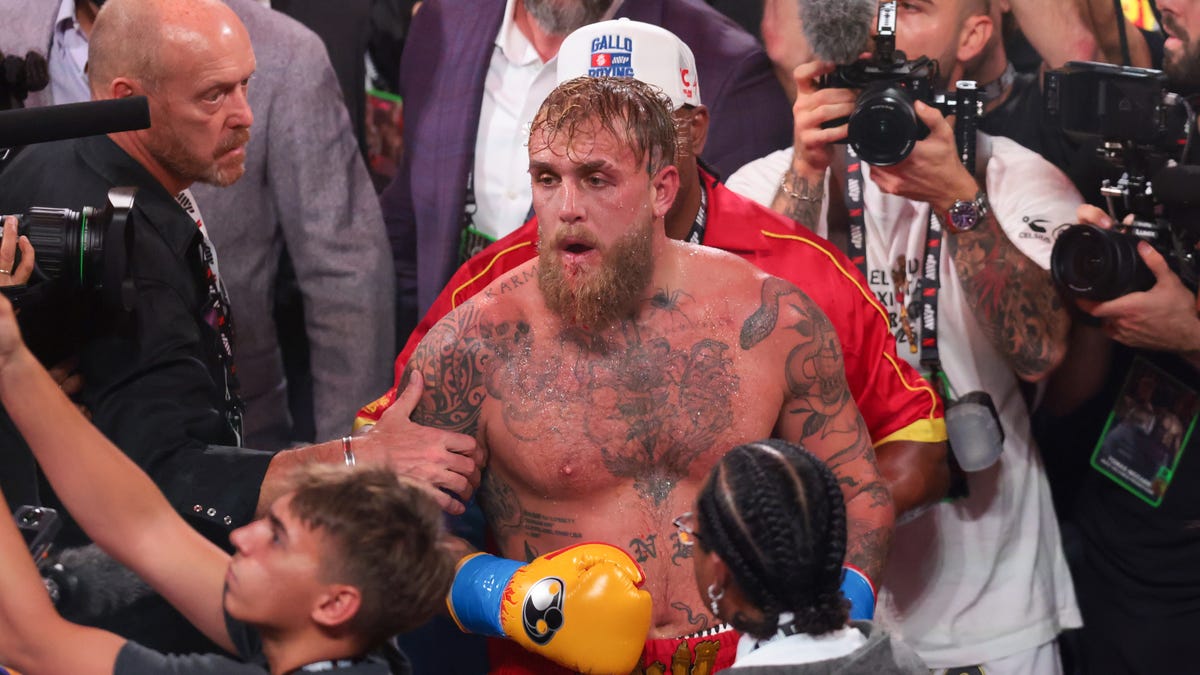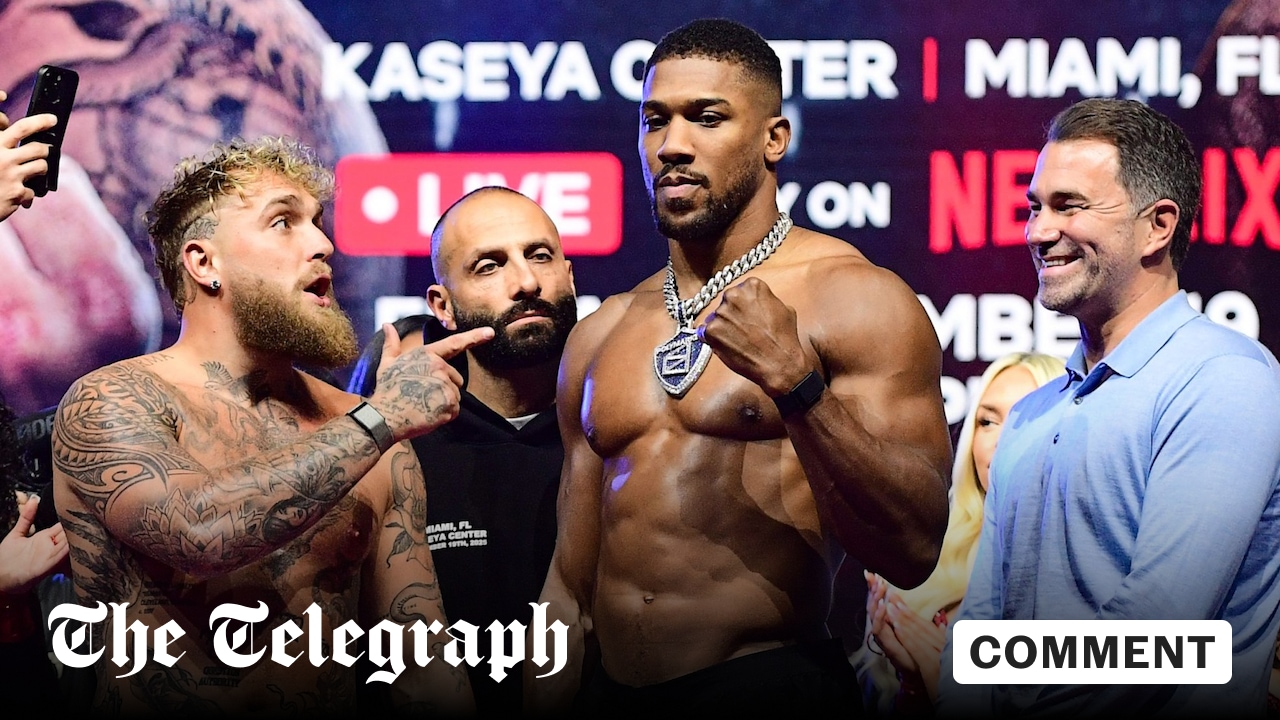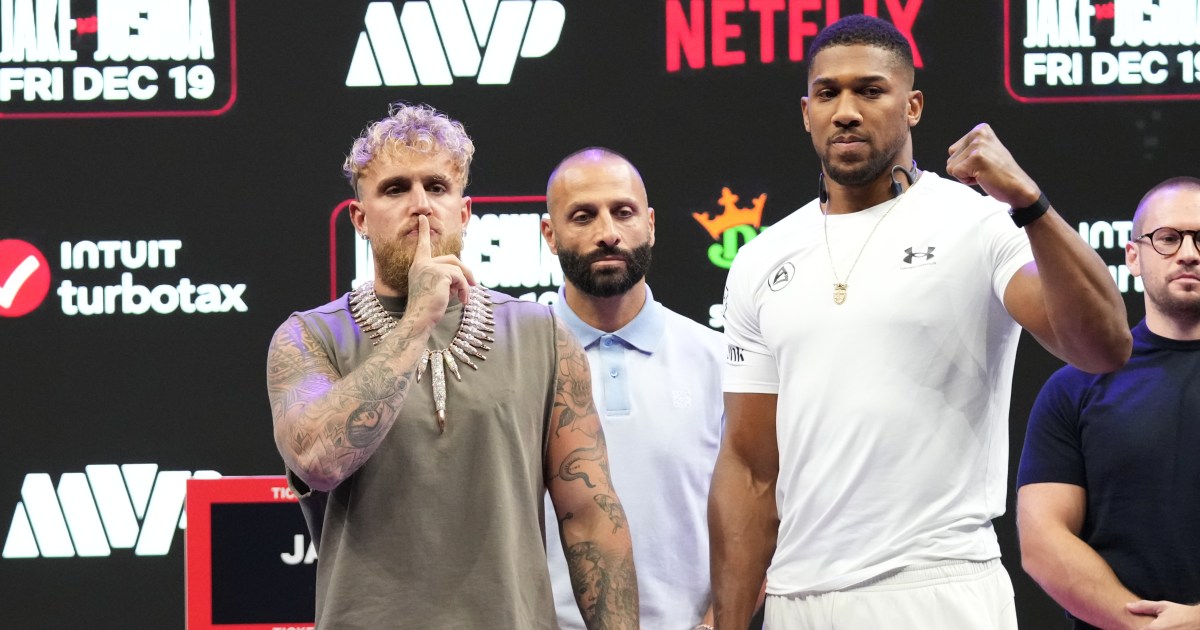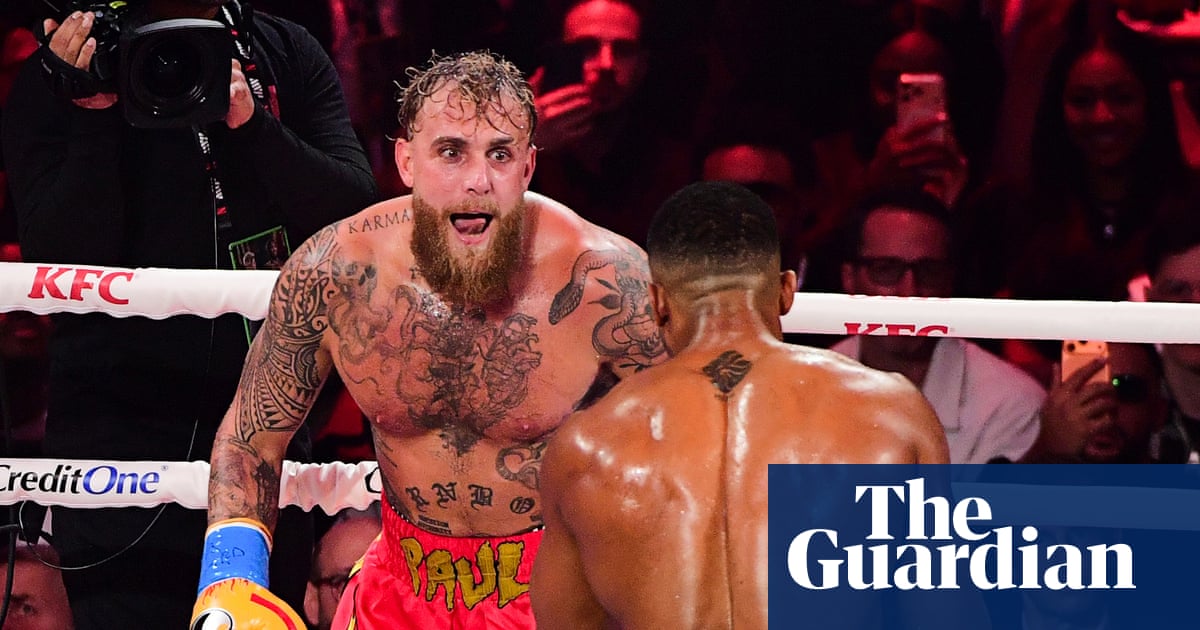
Netflix’s 300 million global subscribers got just what they wanted: to see a former YouTuber knocked out brutally
G
eorge Foreman once said boxing is the sport to which all other sports aspire. Putting aside the breathtaking exhibitions of physical and psychological intensity it can produce, boxing has long been a refuge of the underclass, credited with changing the lives of the disenfranchised and impoverished. There are no barriers to entry. In that sense, it has always sold a democratic dream.
But boxing is, and has always been, the red-light district of professional sports, its flimsy guardrails making it a longtime haven for brazen criminals and the kind of grift and corruption that strains credulity. There are no barriers to entry. The idea that a sport which gave the world Don King, Frank “Blinky” Palermo and Park Si-hun v Roy Jones Jr could somehow be further debased is almost laughable.
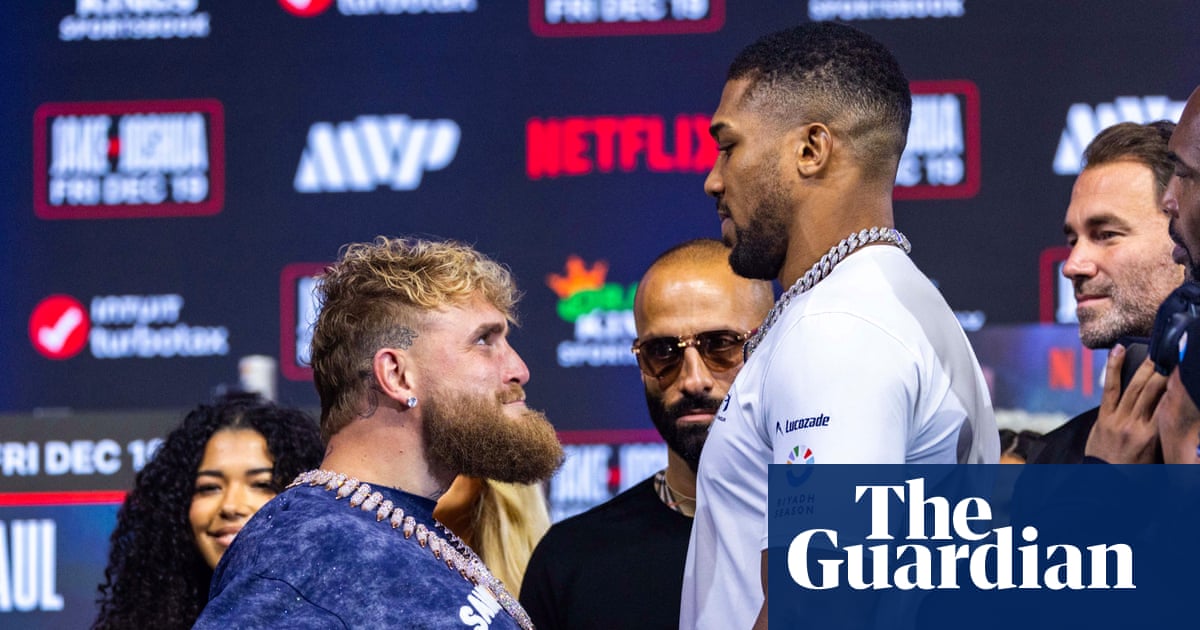
Yet in the hours after Anthony Joshua meted out the reality check of a lifetime to Jake Paul on the neon edge of south-east Florida, the instinctive grappling with What It All Means has left us staring at some uncomfortable questions. Not so much about boxing’s future, but about the world now consuming it – and the environment that enabled Friday night’s artless, cynical spectacle to generate a reported purse of $138m (£103m) to be divided between its participants.