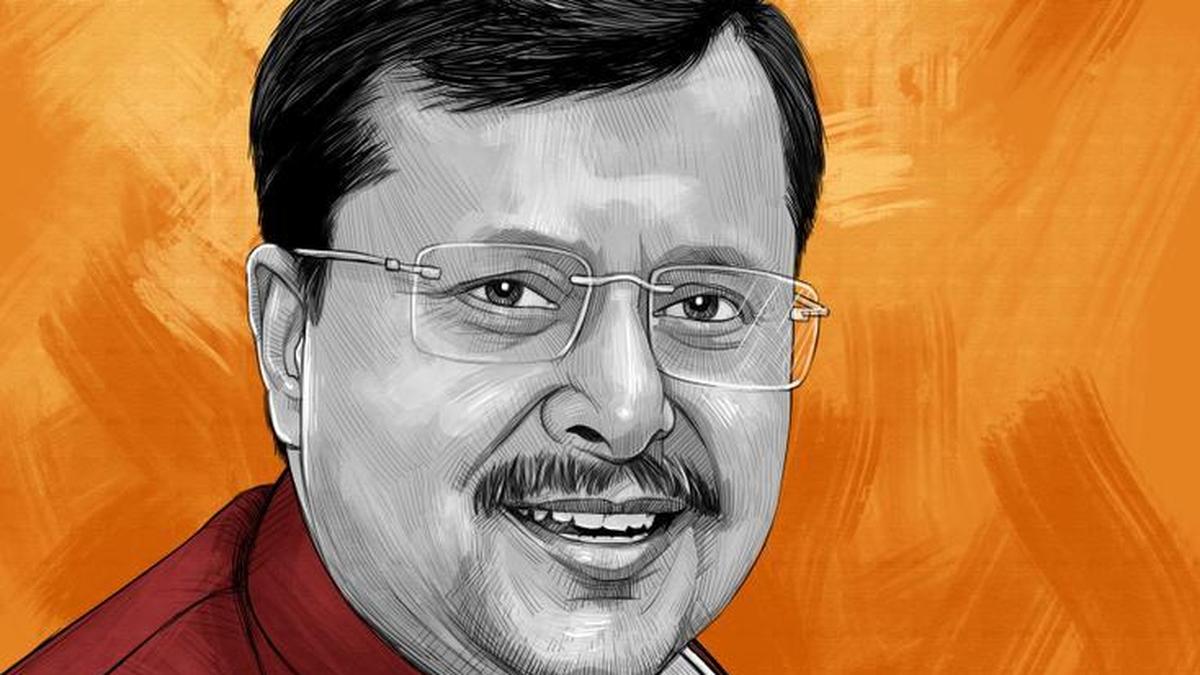
A lot has been said about why five-term Bihar MLA and State Minister Nitin Nabin has been chosen as the new working national president of the Bharatiya Janata Party (BJP), with a promotion to the full-time post of party president in the new year.
Much of this chatter, however, centres on factors that are, for want of a better word, ascriptive. At 45, Mr. Nabin is the youngest-ever BJP president (working or otherwise). His elevation signals a generational shift in the ruling party. He is also the first leader from Bihar to hold the post, an important marker after the BJP-Janata Dal (United) alliance won a big mandate in the recently concluded Assembly elections.
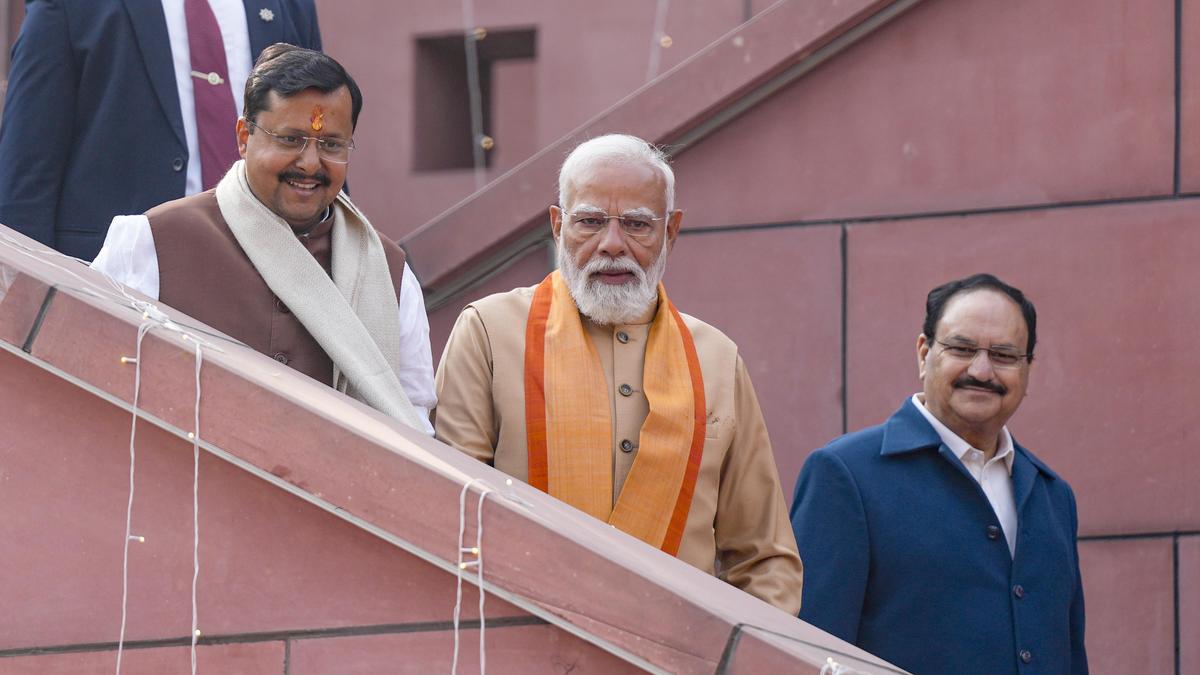
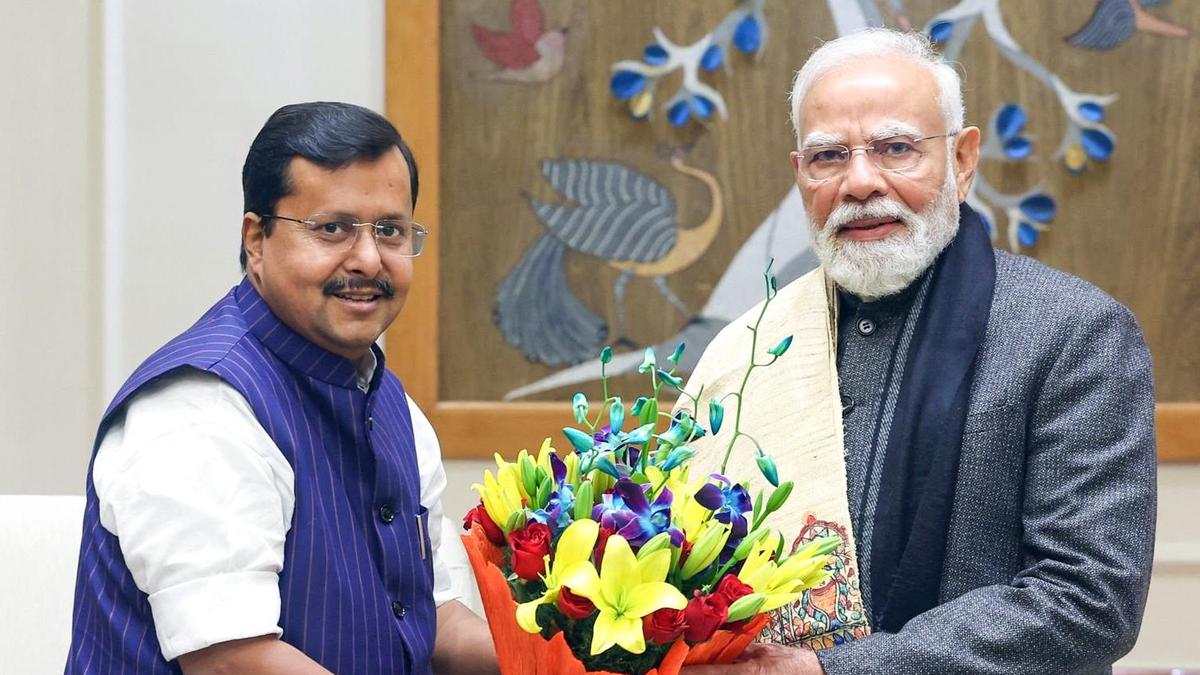
BJP working president Nitin Nabin meets PM Modi
His community background — a Kayastha, an upper caste but not numerically significant in electoral terms — has also been seen significant, in that it neither alienates marginalised communities nor unsettles dominant social groups.
During the year and a half it took to settle on Mr. Nabin, the RSS, the ideological mothership of the Sangh Parivar, was said to favour a more senior, seasoned successor to the current BJP president, J.P. Nadda. Mr. Nabin, though now associated with the RSS, didn’t have the customary stints in the Akhil Bharatiya Vidyarthi Parishad (ABVP), the RSS’s student wing, or in other frontal organisations, unlike Mr. Nadda and most other senior leaders of the party.