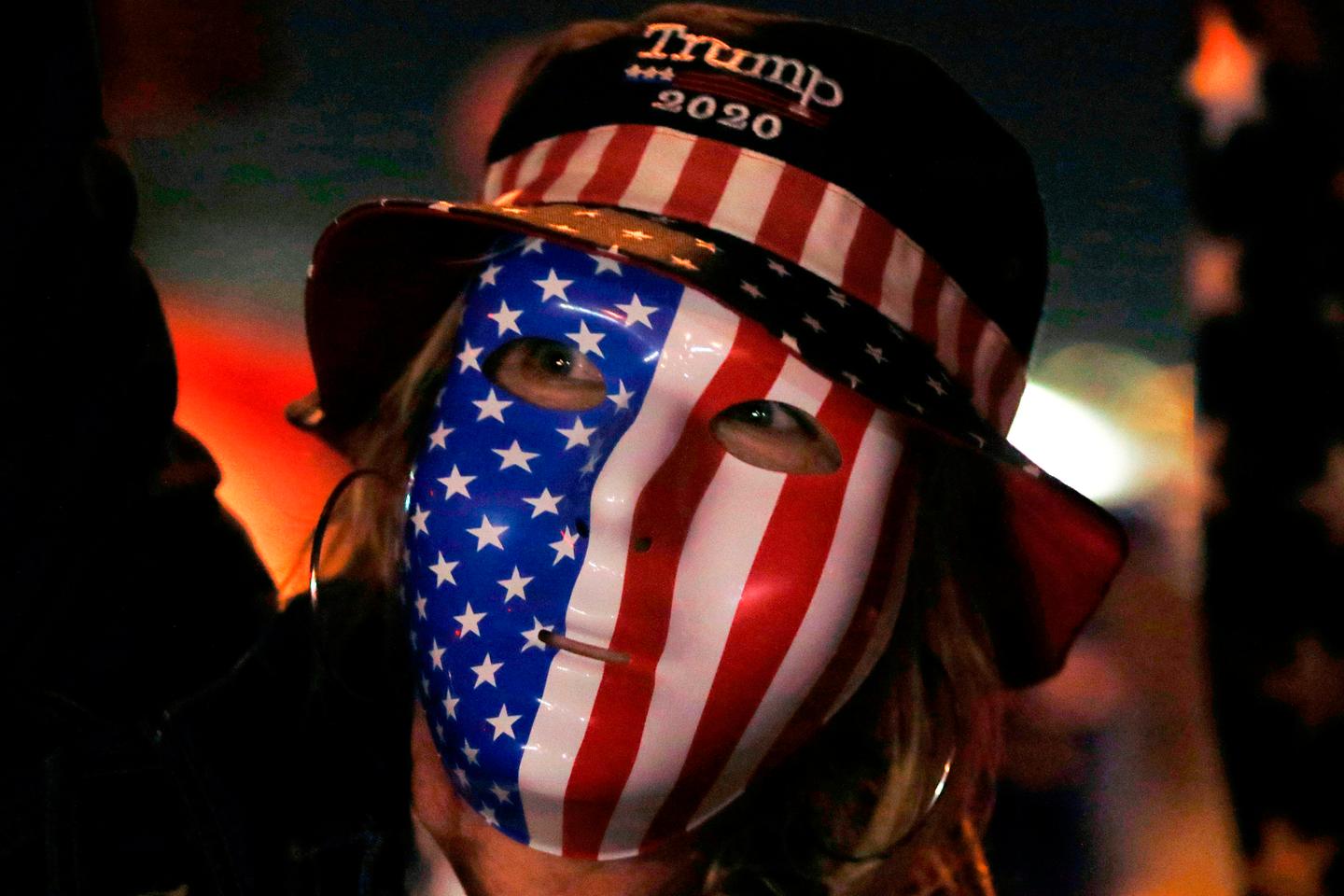
At a rally in support of Donald Trump, in Las Vegas, Nevada, November 5, 2020. RONDA CHURCHILL/AFP
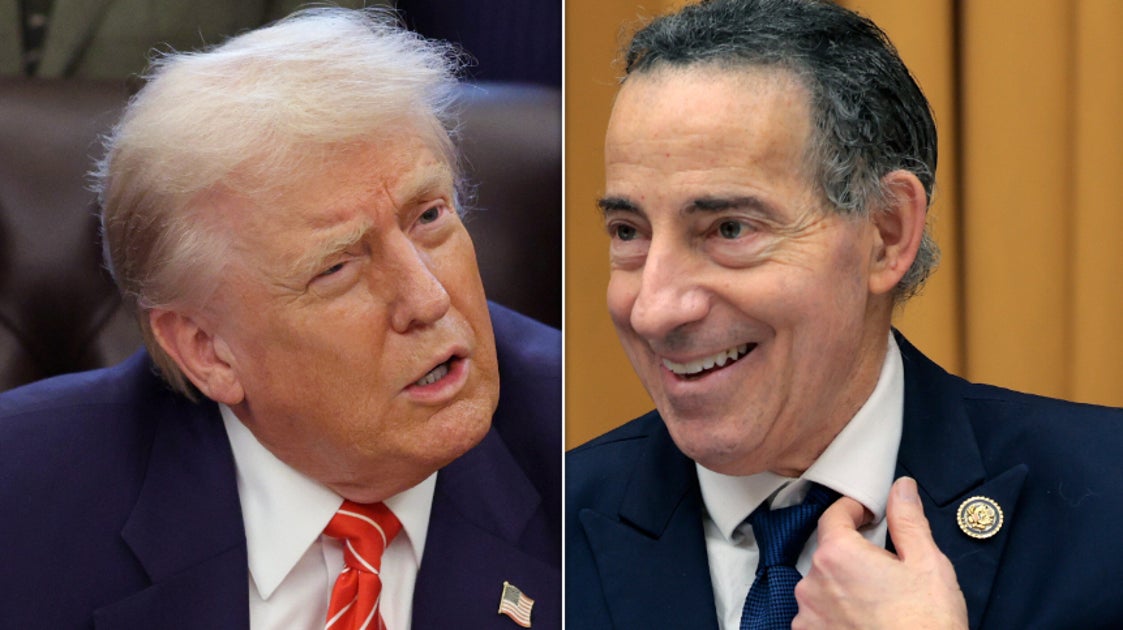
Warren Davidson and Barry Moore are not among the most prominent political figures in Washington. Yet the two Republican members of the House of Representatives, from Ohio and Alabama respectively, have been among the most fervent Trump supporters. They have gone so far as to say they want to save the United States from what they see as a corrosive blight: "Trump derangement syndrome" (TDS), a paranoid obsession supposedly afflicting opponents of the president who, they claim, have lost all sense of reality. In May 2025, the two lawmakers put forward a bill (not yet considered by their colleagues) requiring the National Institutes of Health, the federal agency dedicated to medical research, to examine this "epidemic on the left," this "toxic state of mind" that has "divided families, the country, and led to nationwide violence."
Does TDS really affect the Democratic camp? According to Trump allies, from conservative media commentators and Republican elected officials to the president himself, the answer is yes. Condemning Russian influence in the 2016 election? An obvious symptom of TDS. Accusing those close to Donald Trump of colluding with the business world? TDS. Denying the existence of the "deep state," the shadowy government that supposedly runs the country? TDS. Questioning the deportation of migrants and judging it to be unconstitutional? TDS. The syndrome allows all attacks to be dismissed, since the perpetrator is supposedly suffering from this mental illness.