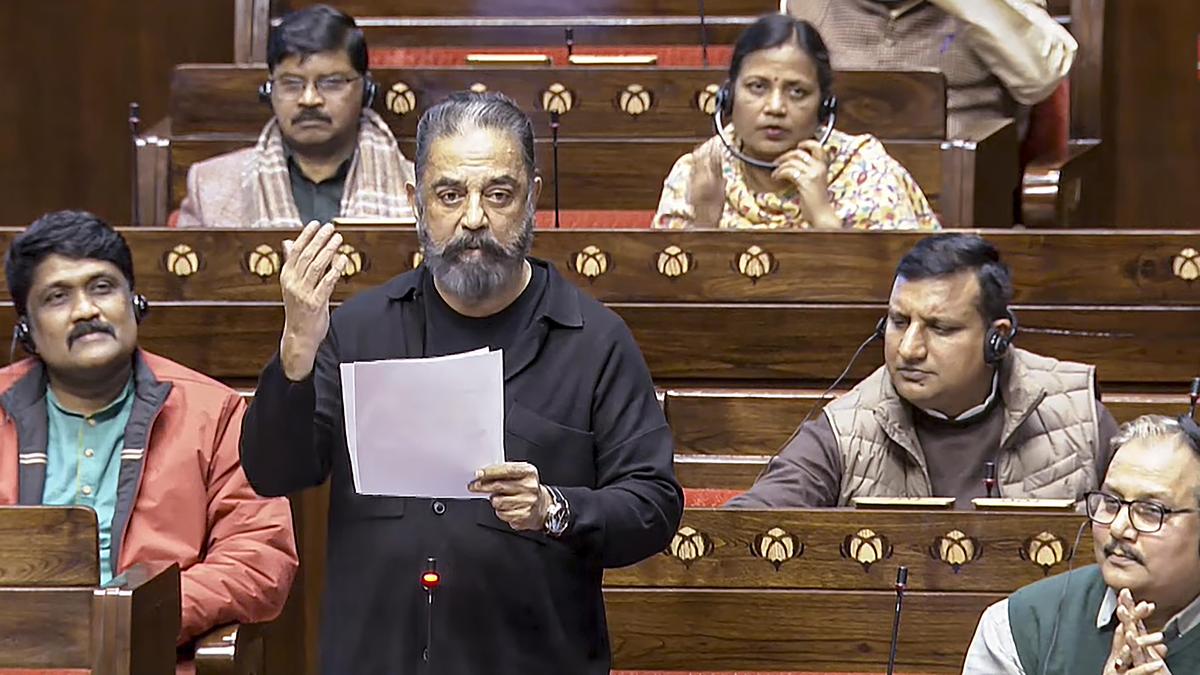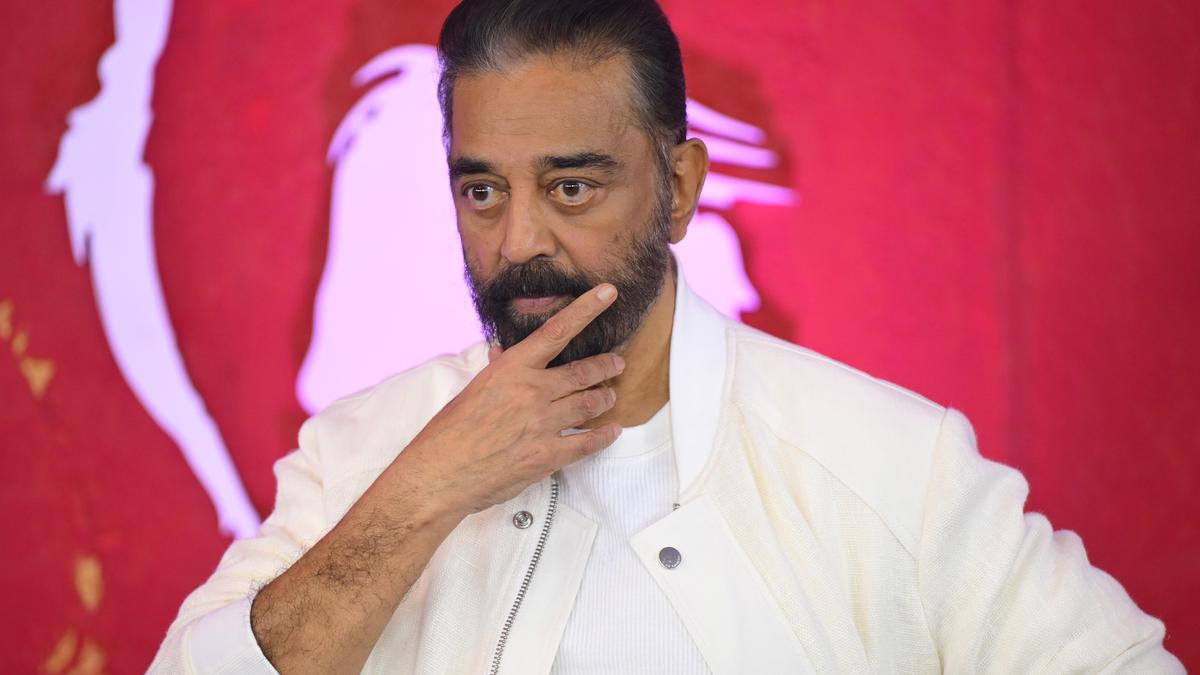
Rajya Sabha member Kamal Haasan recently raised two questions in Parliament related to the strategy and timeline for scaling up nuclear capacity under the Nuclear Energy Mission and the discontinuation of E10 petrol.
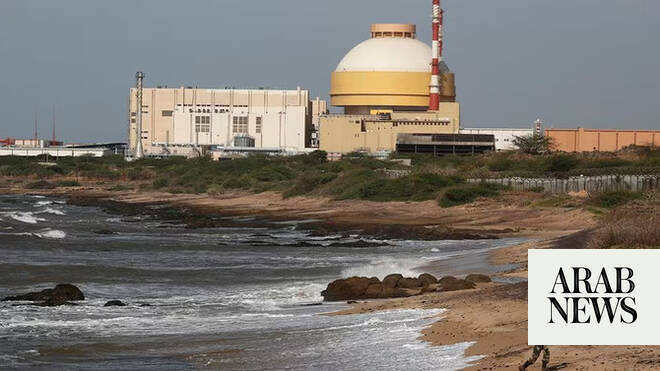
He wanted to know how the government was planning to increase nuclear capacity from 8.88 GW to 100 GW and a timeline for the construction of thorium-based advanced heavy water reactors to harness India’s thorium reserves. He also wanted to know the anticipated timeline for the construction of two additional fast breeder reactors (FBR) in Kalpakkam and information about engagement with local communities and the resulting environmental and social impact assessments.
‘Comprehensive plan’
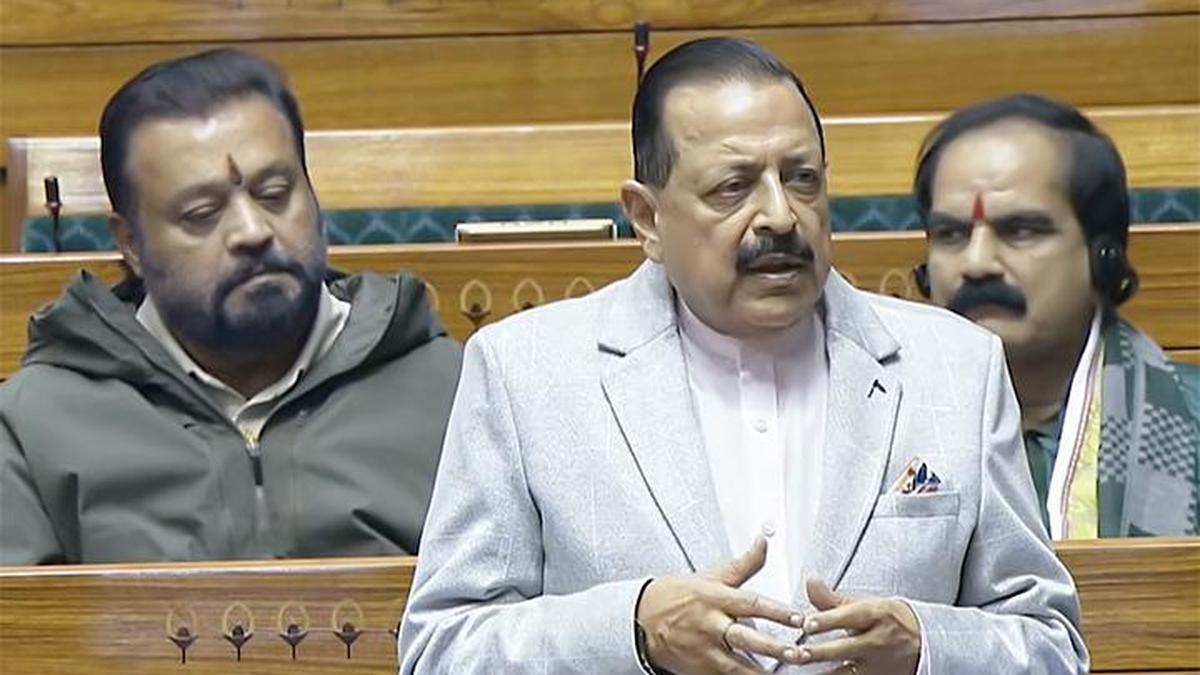
Answering the questions, Jitendra Singh, Minister of State for Personnel, Public Grievances, Pensions, and Prime Minister’s Office, said that the government had drawn up a comprehensive road map to achieve capacity of 100 GW by 2047 and that present power capacity could be increased to about 22 GW by 2031-32 on progressive completion of projects under implementation.
“The Nuclear Power Corporation of India Limited (NPCIL) has drawn up plans to contribute about 54 GW out of the 100 GW capacity envisioned by 2047. India has limited uranium and abundant thorium reserves. Thorium, unlike uranium, is a fertile material and needs to be converted to fissile uranium-233 in a nuclear reactor before it can be used to generate energy. Thus, the Three Stage Nuclear Power Programme, envisaged by the Department, remains a key component of India’s nuclear power programme aiming towards optimum use of the limited uranium resources and exploitation of abundant thorium reserves for long-term energy security in a sustainable manner,” he said.