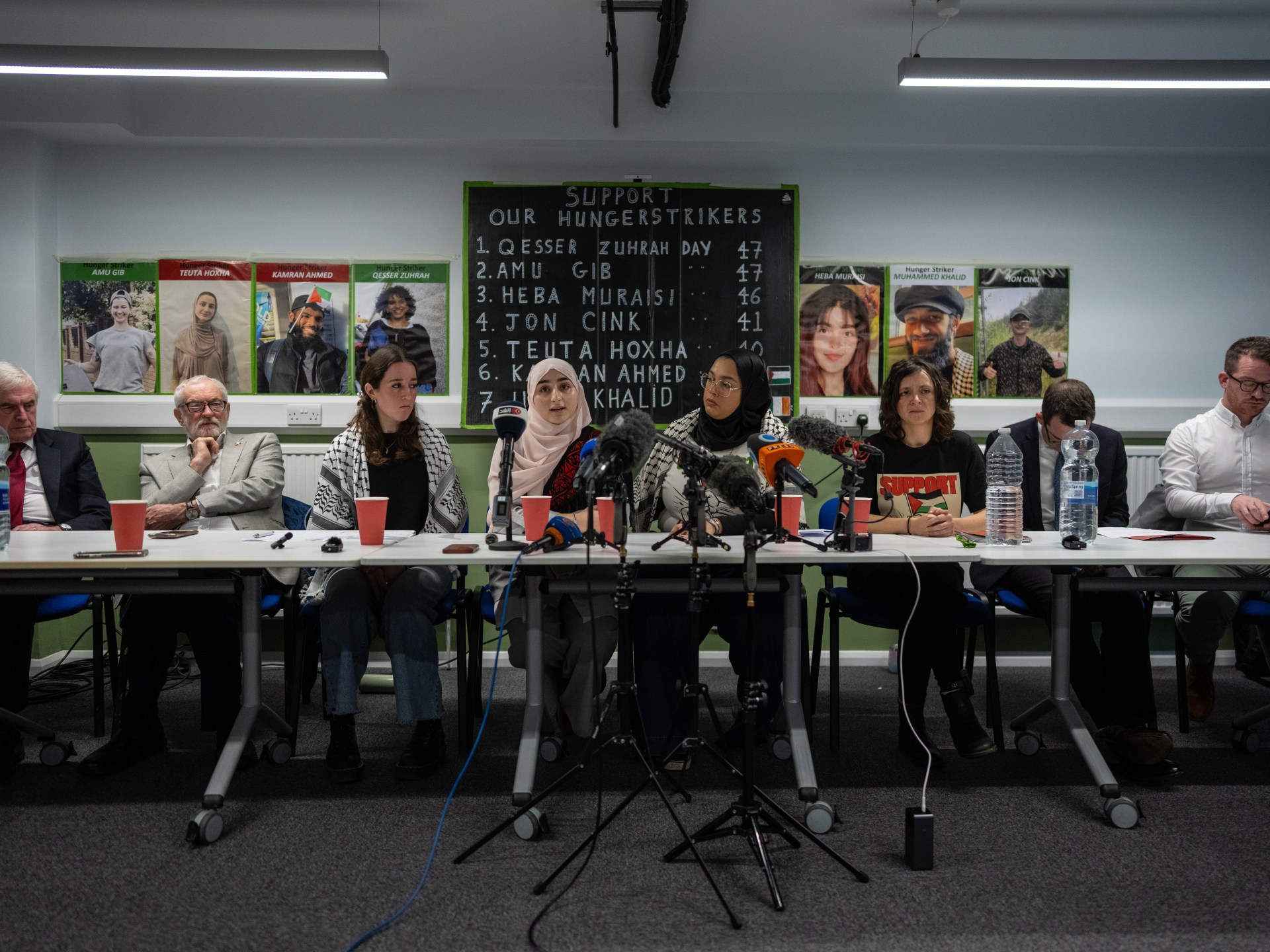
Doctors have warned that the lives of these prisoners are now in danger. Pretending this is not happening is not good enough
I
n 1981, IRA and other republican prisoners went on hunger strike in Northern Ireland, demanding the restoration of their political status. Ten would die; extraordinarily, their leader, Bobby Sands, had been elected as an MP by the time of his death. Margaret Thatcher took a hardline public stance. But by the end, behind the scenes, the government was looking for an exit, and public opinion had shifted significantly.
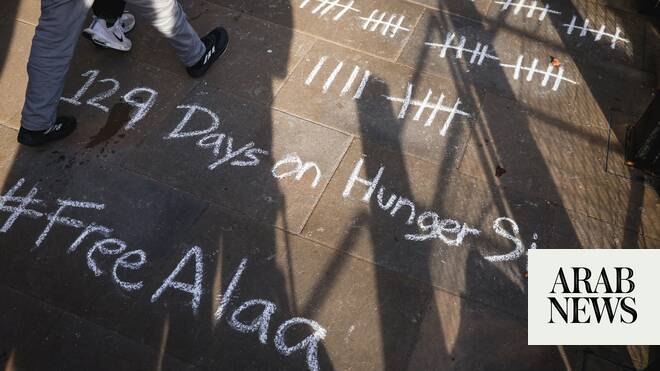
The lives of the Palestine Action-affiliated remand prisoners now on hunger strike are at growing risk. On Friday, two reached day 48 without food. (In 1981, one IRA prisoner – 29-year-old Martin Hurson – died on the 46th day.) Twenty-year-old Qesser Zuhrah is being treated in hospital after she reportedly collapsed at HMP Bronzefield in Surrey. Amu Gib, 30, has also been treated. Three more have refused food for more than 40 days and another, who has diabetes, is eating only every other day. Two others have now ended their protest, one after hospitalisation.
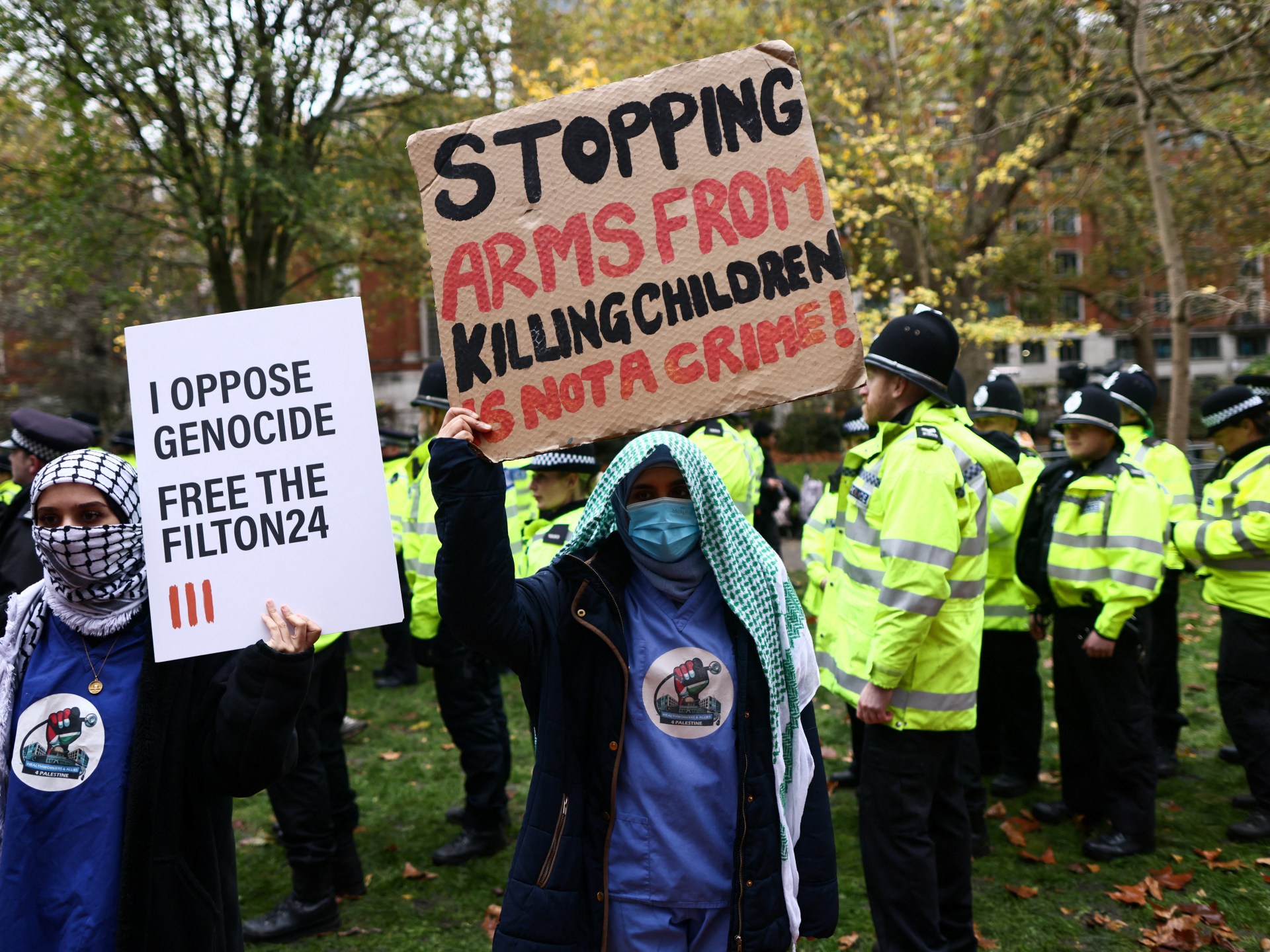
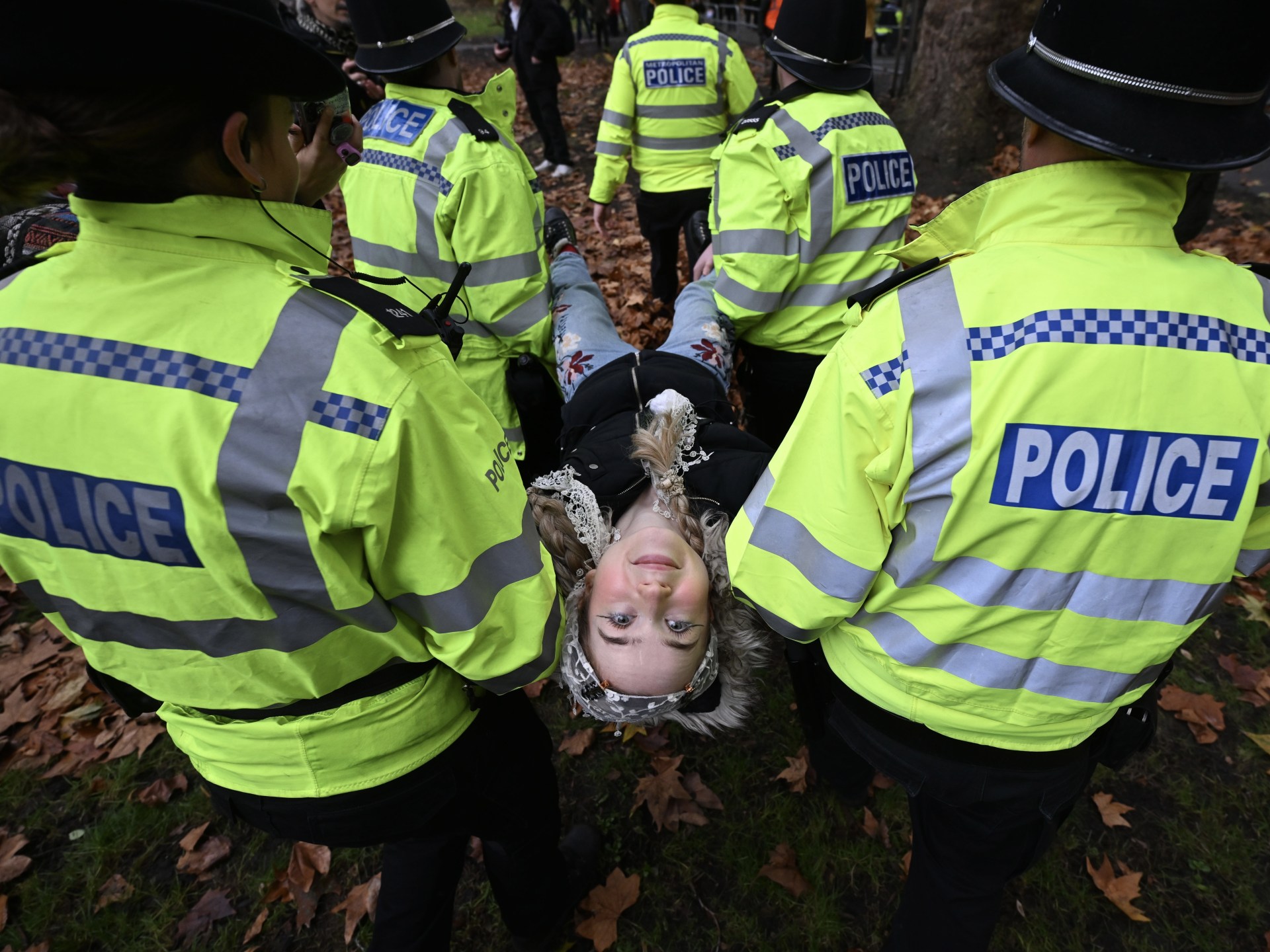
The prisoners are variously on remand for alleged criminal damage, aggravated burglary and violent disorder at a factory for Elbit Systems, an Israeli arms manufacturer, in Filton, near Bristol, and in relation to an alleged break-in at RAF Brize Norton. All will have spent more than a year in prison before trial – much longer than the standard custody limit of six months. Some may not be tried until 2027. Demands include immediate bail, stopping restrictions on their communications and ending the ban on Palestine Action.