https://arab.news/n2wb9
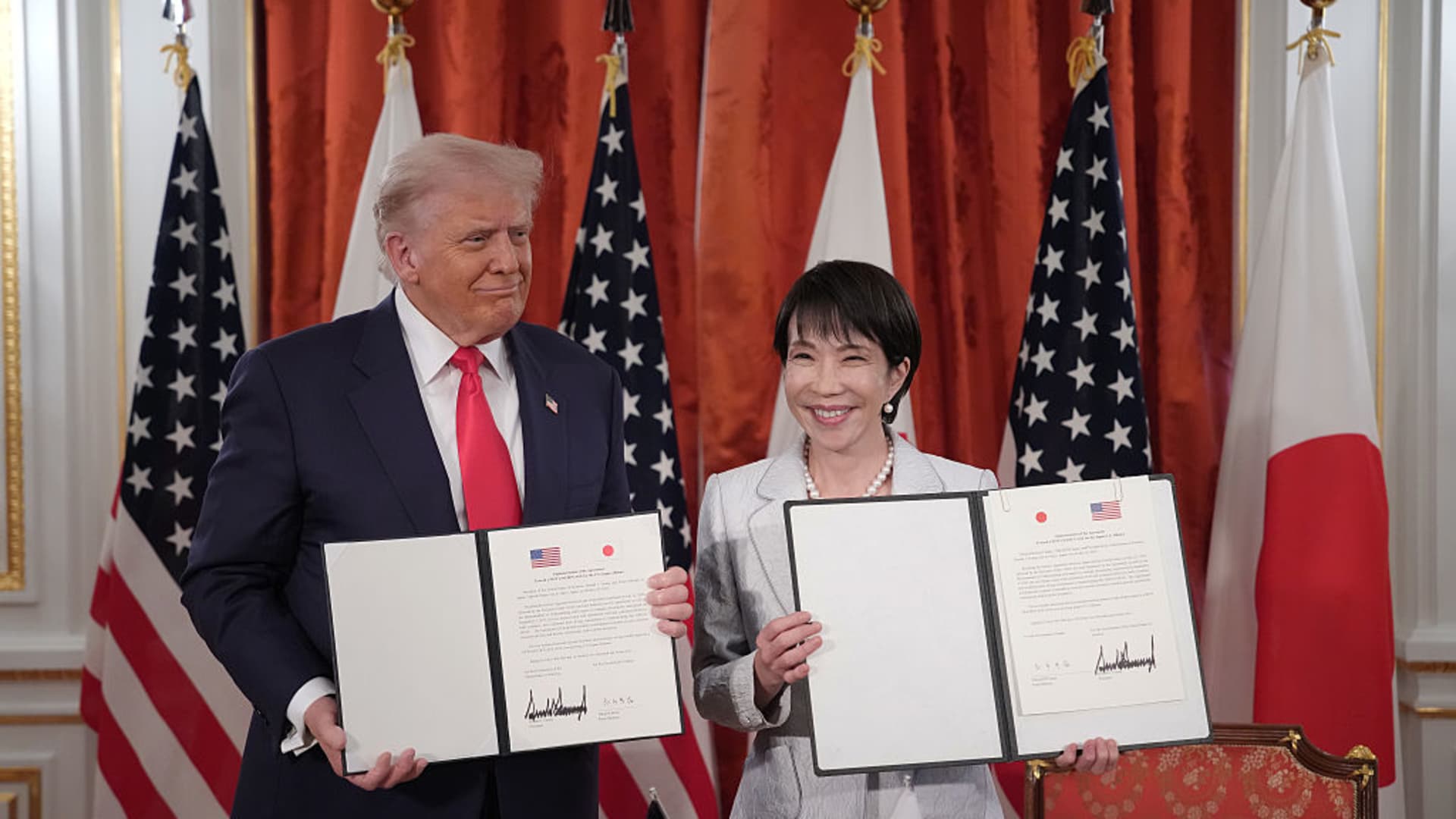
When US President Donald Trump and Chinese President Xi Jinping agreed to a one-year truce in their trade war, temporarily easing China’s strict export controls on rare earths and other critical minerals, a quiet sigh of relief swept through corporate headquarters from Paris to Warsaw. But the underlying structural reality has not changed: Because China controls global supplies — owing to its unrivaled extraction and processing capacity — Europe remains dangerously dependent.
Europe imports almost all the rare-earth magnets it uses in manufacturing electric vehicles, wind turbines, and defense systems, as well as the lithium, cobalt, and graphite that underpin battery production. With most of the refining of these materials occurring outside the Continent’s borders, a temporary suspension of Chinese export restrictions merely buys the bloc time.
Since Europe will remain vulnerable for the foreseeable future, the only question is whether we will use this reprieve to prepare for what could be coming. When thinking about our own economic future, resilience — the ability to absorb shocks that would otherwise paralyze key industries — is what matters. Unless Europe accelerates diversification, builds domestic capacity, and institutionalizes risk management, the next supply crunch will hit just as hard, if not harder.