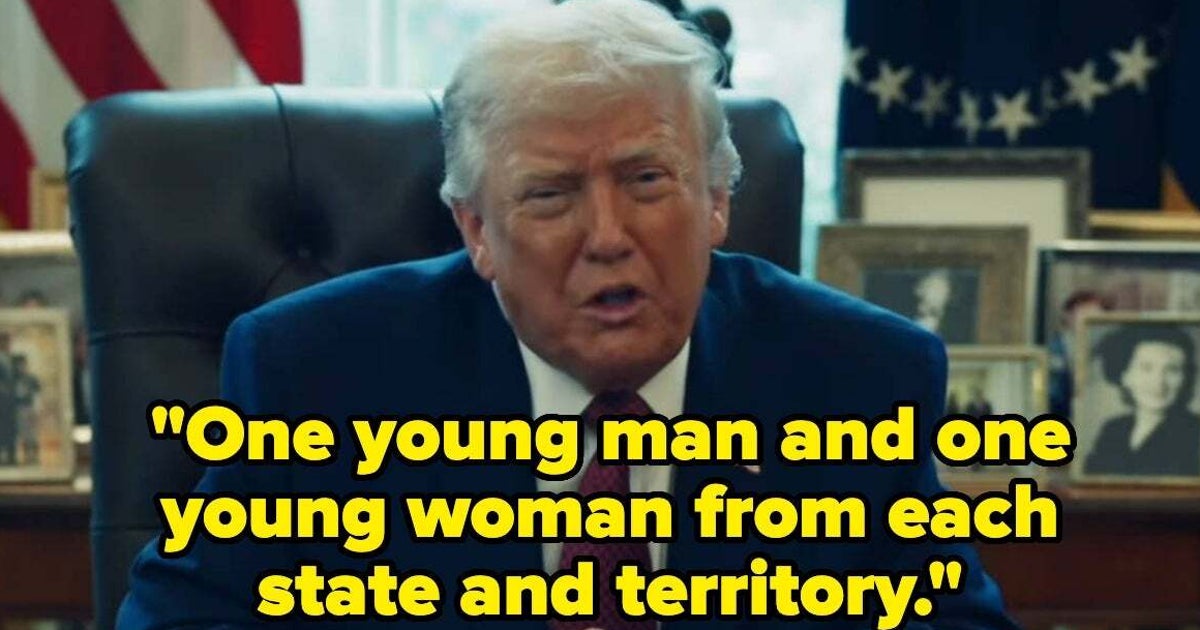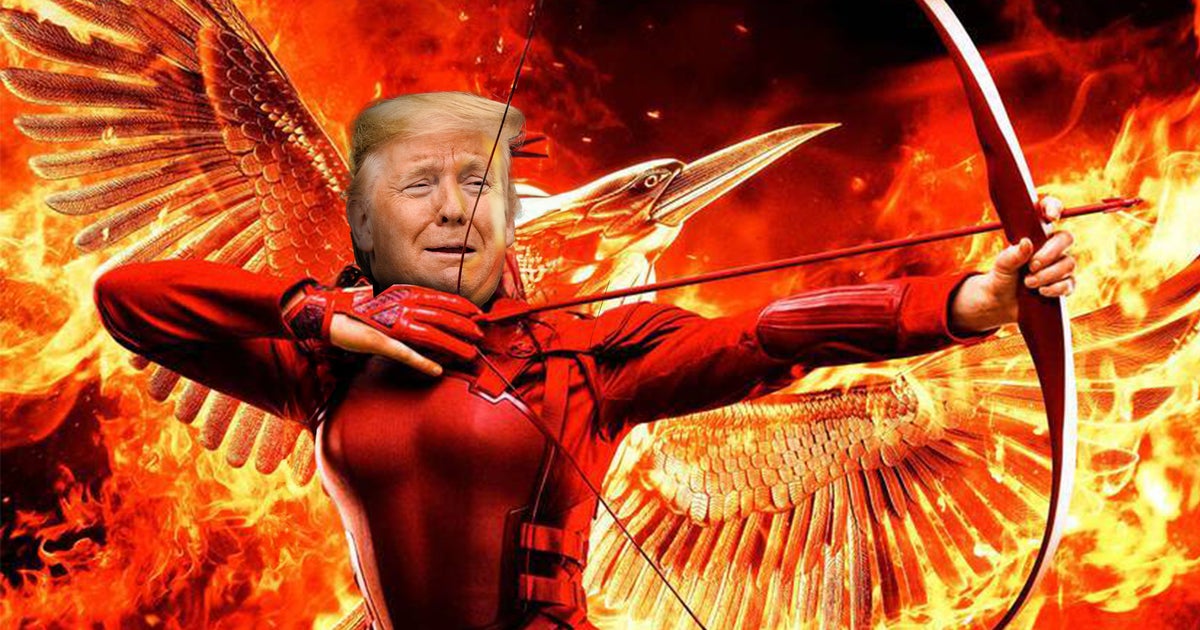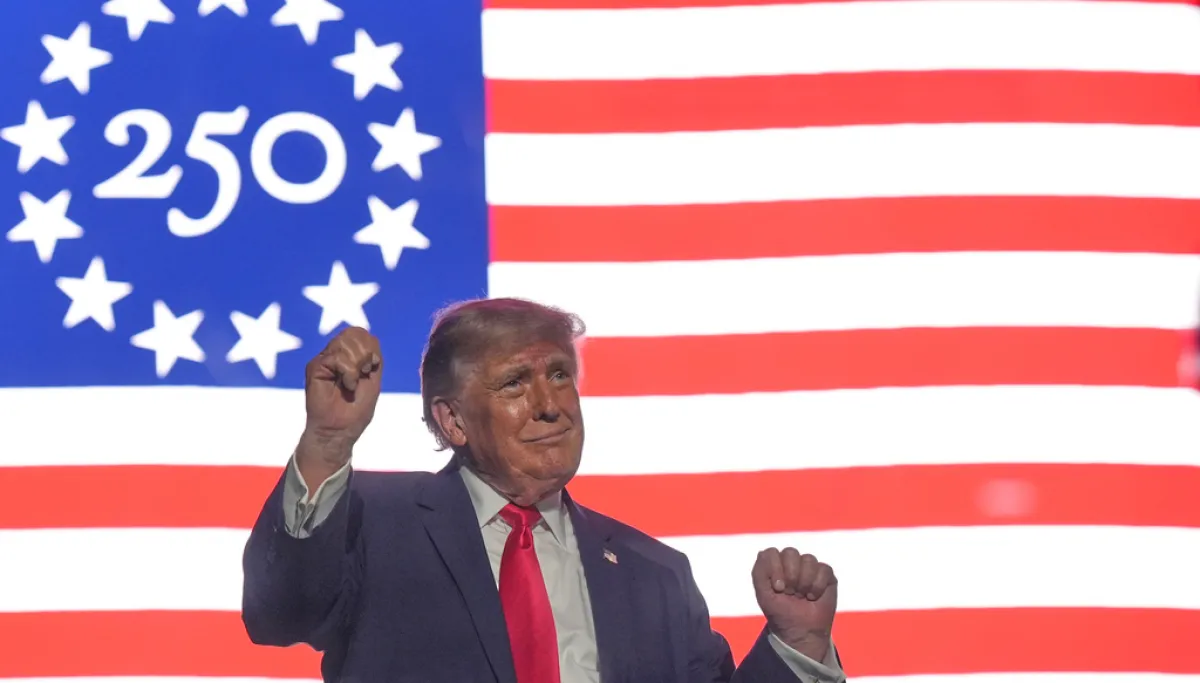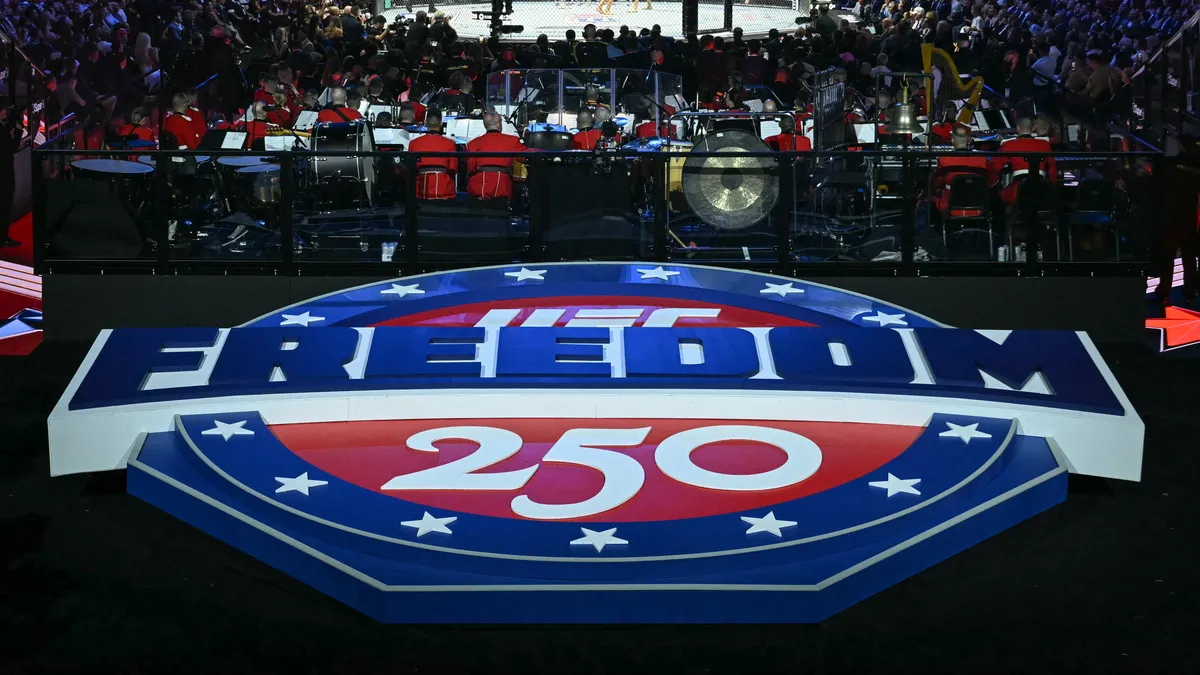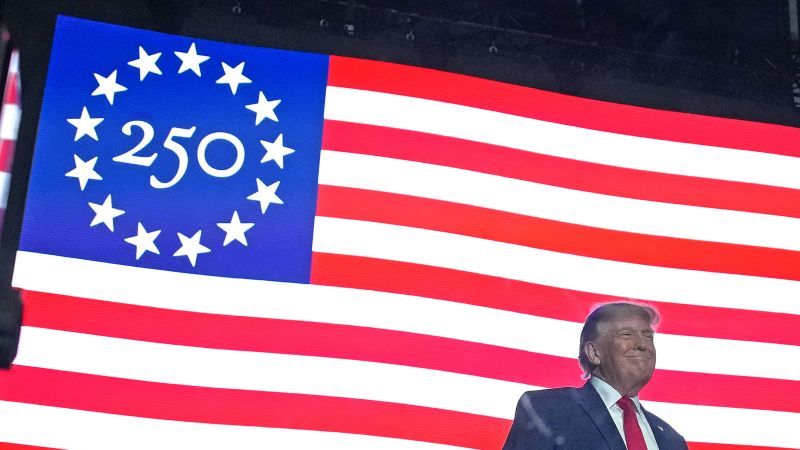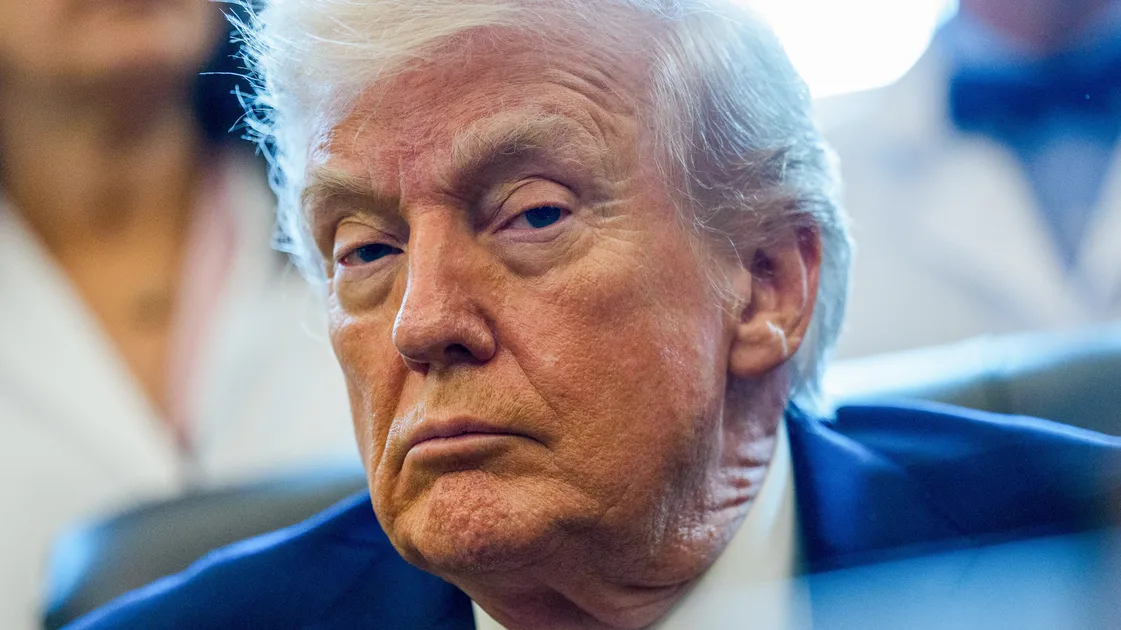
President Donald Trump announced on Thursday a slate of events for the 250th birthday of the United States. Among them is a “four-day athletic event” featuring high schoolers from each state and territory competing.He’s calling this event the “Patriot Games.”In a video shared on the White House X account, Trump touted “the first-ever Patriot Games, an unprecedented four-day athletic event featuring the greatest high school athletes — one young man and one young woman from each state and territory,” and made an additional dig at transgender youth athletes by adding, “But I promise there will be no men playing in women’s sports.”And if you, like so much of the world, are familiar with a more extreme version of this premise, it might just mean you were alive and breathing between the years of 2008 and 2023 and caught wind of the “Hunger Games” franchise by Suzanne Collins. As a refresher, the hit books and movies follow the story of young people living in a high-control, police state (formerly North America) forced to compete in a televised fight to the death each year as a punishment for a previous rebellion — incentivized further to enter with the chance to provide for their families and communities, already starved by the state.America turns 250 🇺🇸🇺🇸President Donald J. Trump on Freedom 250 and the 2026 celebration that honors our nation like never before. WATCH: pic.twitter.com/aSaPqQ0U7m— The White House (@WhiteHouse) December 18, 2025Meanwhile, more privileged citizens of The Capitol, considered loyalists to the government, are encouraged to see the games as both a patriotic duty/celebration, an entertainment spectacle and a load-bearing means of protecting their own privilege. Everyone’s making the same joke — but they might have a point?Unsurprisingly, given the moves of the second Trump administration — from ICE overreach to the crisis of affordability in the United States right now — a lot of the internet couldn’t help but make the same comparison:“Creating the ‘Patriot Games’ somehow still isn’t the most Hunger Games thing this authoritarian regime has done,” one poster shared on X in response to the announcement video from the White House.Illustration: HuffPost; Photos: BFA/AlamyTrump isn't quite a President Snow or a President Coin — and he certainly isn't a Katniss. “I saw that ‘Patriot Games’ news and thought it was a joke. It is not,” another poster said, referencing yet another dystopian story about senseless brutality at the hands of a totalitarian government. “Next week Trump will announce ‘The Long Walk.’”Another user shared this disturbingly well-photoshopped meme of the president as Effie Trinket, a character who exemplifies the excessive, occasionally grotesque aesthetics of Capitol loyalists and the mental gymnastics it takes to take the party line at face value. Others were quick to point out the “bread and circuses” of it all — referring to a concept of “Panem et Circenses” from ancient Roman poet Juvenal describing how rulers distracted their previously very civically engaged population from their loss of political power and agency via “bread” (free grain given every month) and “circuses” (bloody gladiator fights). “Americans are getting crushed. Healthcare costs are exploding for everyone. Employer plans just hit a 13-year high,” the poster noted. “So Trump rolls out reality-TV ‘Patriot Games’ as a shiny distraction. Bread costs more, care costs more, and he’s selling circus bullshit.”Also, the dystopian country in “The Hunger Games” is even called Panem. Literally Latin for bread. Again, these are books for children and teens — so Collins is really explicit about the point she’s trying to make.Connecting these dots isn’t far off from the author’s intentions, for what it’s worth.Even though “The Hunger Games” dropped in the so-called Millennial optimism era and is often slotted in alongside the YA dystopia boom of the 2010s, the books are inherently deeply political. In an interview for the 10th anniversary of the series, Collins explained how the idea first came to her from flipping channels between the chaotic 2000s reality TV and real footage of the Iraq war.She said she was inspired to use that disturbing juxtaposition of entertainment and brutality to explore “just war” theory — which argues that there are “legitimate” reasons to wage war but also ethical and moral boundaries for when it’s justified — in a way that young people could engage with.And that’s just book one! Getty Images/HuffpostPeople couldn't help but make comparisons when they read about Trump's "Patriot Games" — and you can't really blame 'em. Throughout the full trilogy and prequel novels, readers engage with all the ways propaganda (including manipulating footage in a very AI-like way), nationalist myth-making, surveillance, starvation as a means of control and how large-scale entertainment spectacles work to keep communities disenfranchised and strip them of their humanity. The themes of the most recent installment “Sunrise on the Reaping” were even more explicit: “With ‘Sunrise on the Reaping,’ I was inspired by David Hume’s idea of implicit submission and, in his words, ‘The easiness with which the many are governed by the few,” Collins said in a release when the book’s cover was revealed. “The story also lent itself to a deeper dive into the use of propaganda and the power of those who control the narrative. The question ‘Real or not real?’ seems more pressing to me every day.”Yet most interestingly, while the books and films show how large-scale spectacle events like the games can bolster the narrative of the state’s power and further cement its grip on a population, they even more clearly show how fragile that grip is when people refuse to stop fighting back.
Trump Just Announced The 'Patriot Games' Are Coming. And People Can't Help But Make This Dark Comparison..
Yeah, it's a little on the nose.
923 words~4 min read