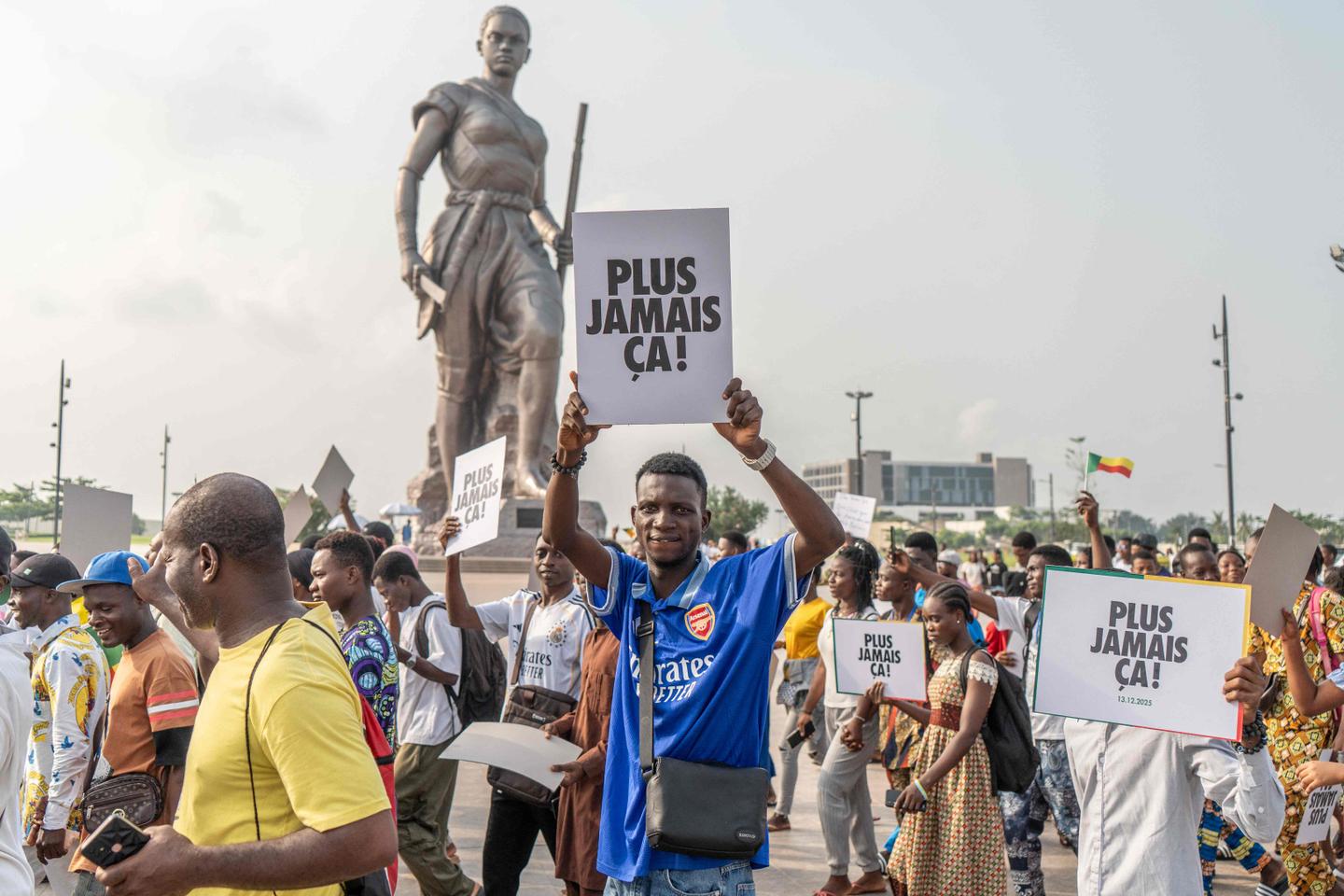
Youth gather in support of Beninese President Patrice Talon at the Esplanade des Amazones in Cotonou, December 13, 2025. YANICK FOLLY / AFP
Bottles of beer and juice were neatly arranged on a buffet. Laughter echoed here and there. On the evening of Friday, December 12, several dozen members of the Republican Guard toasted in good spirits in a courtyard of the presidential palace in Cotonou. It was a moment of relaxation and relief.
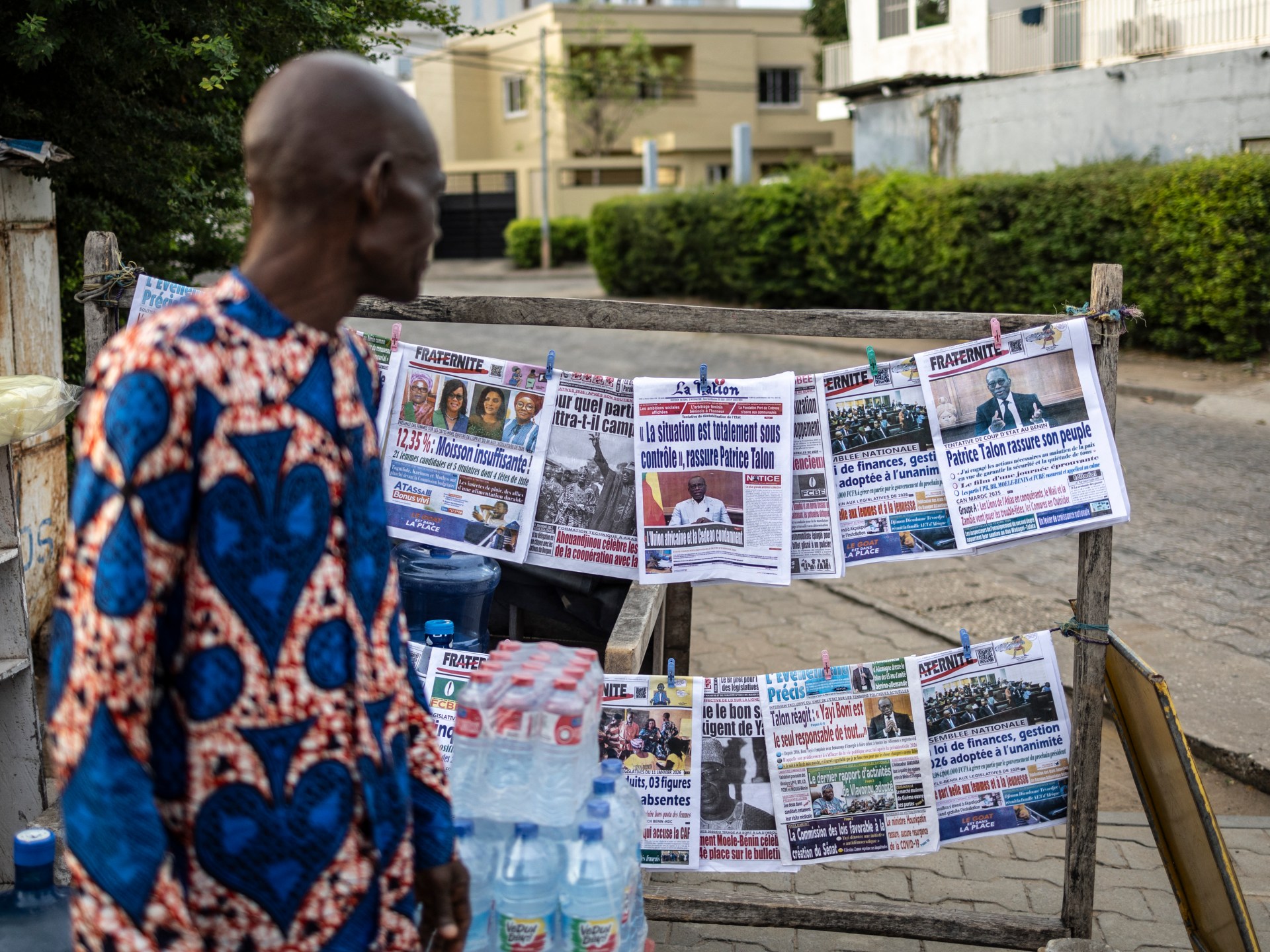
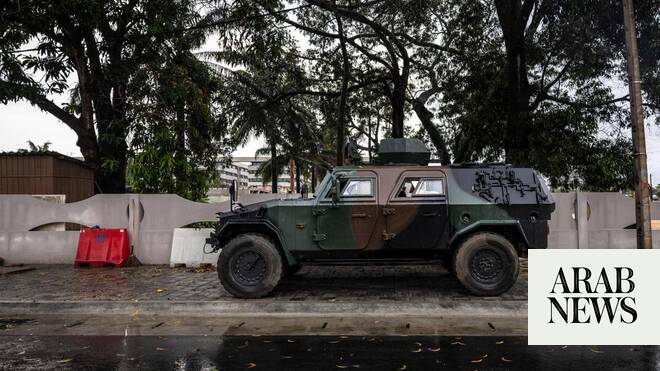
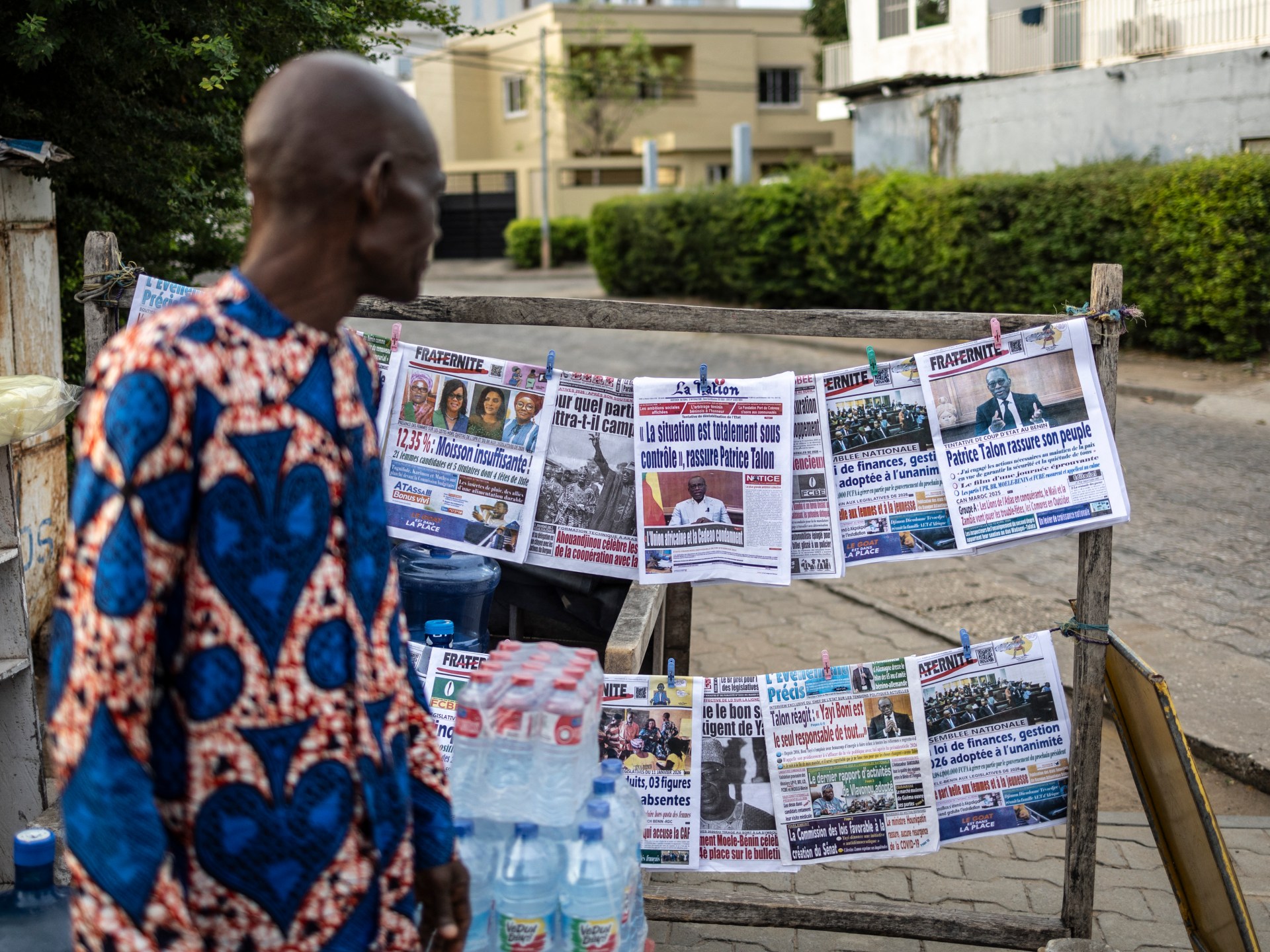
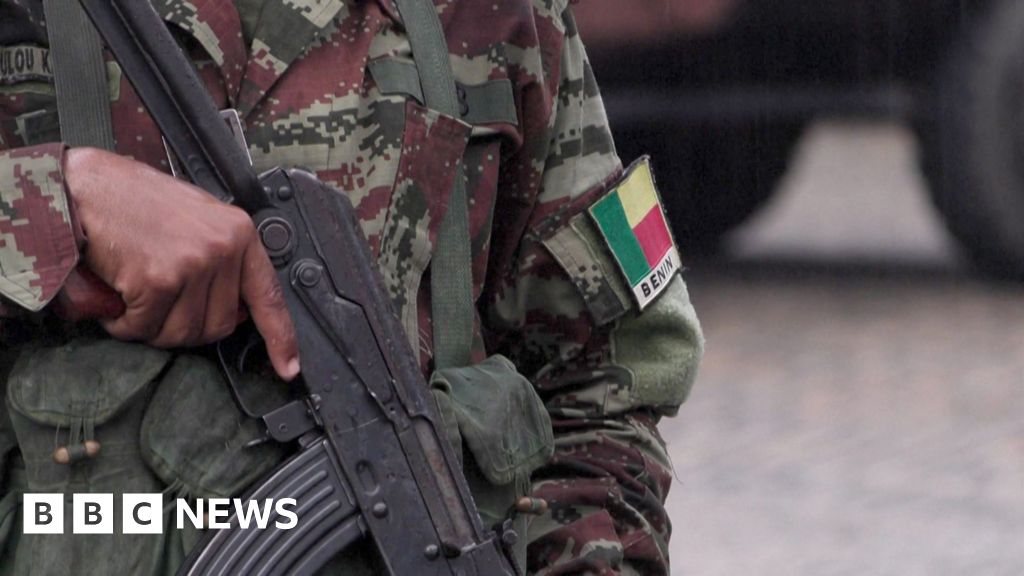
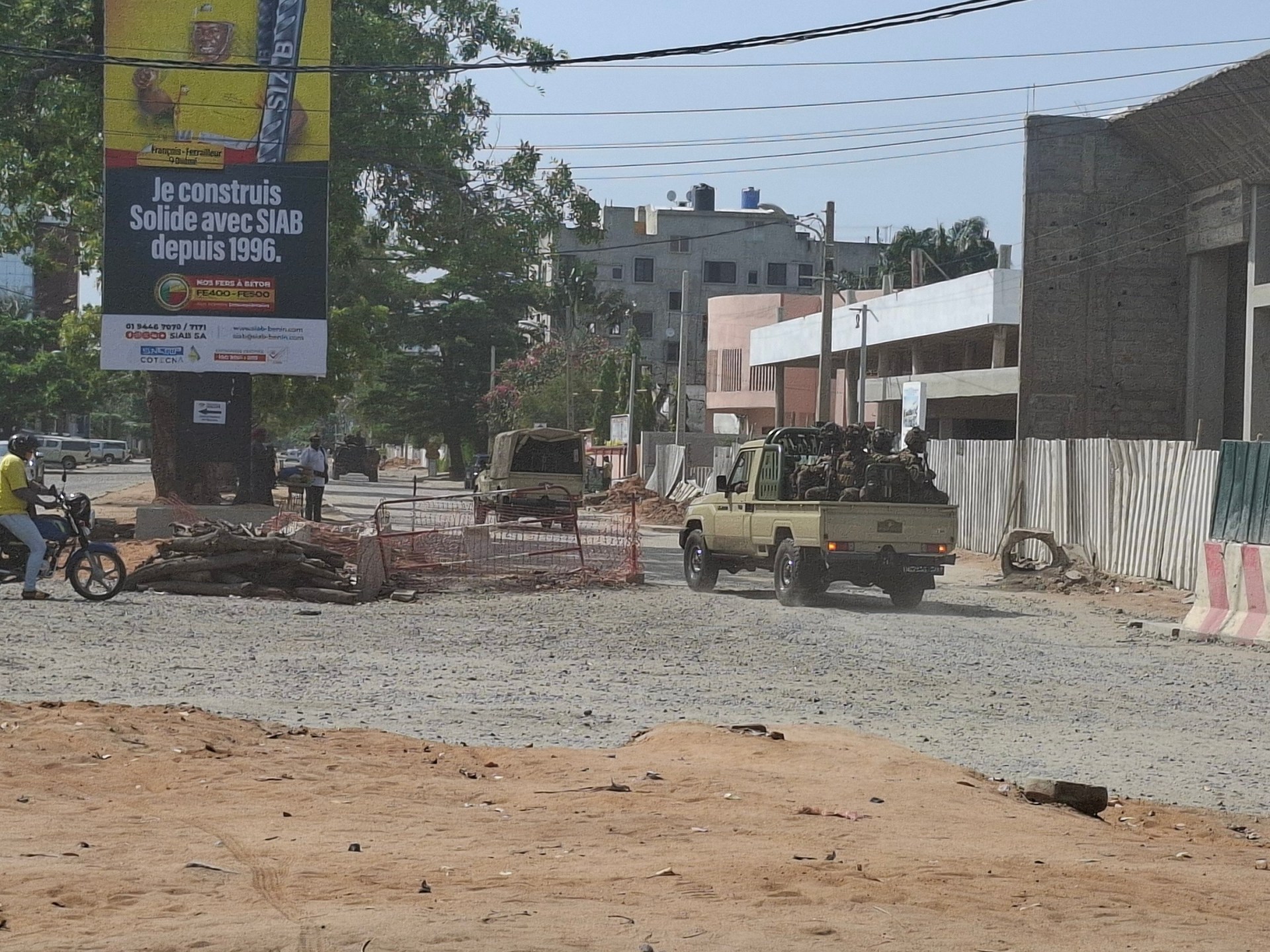
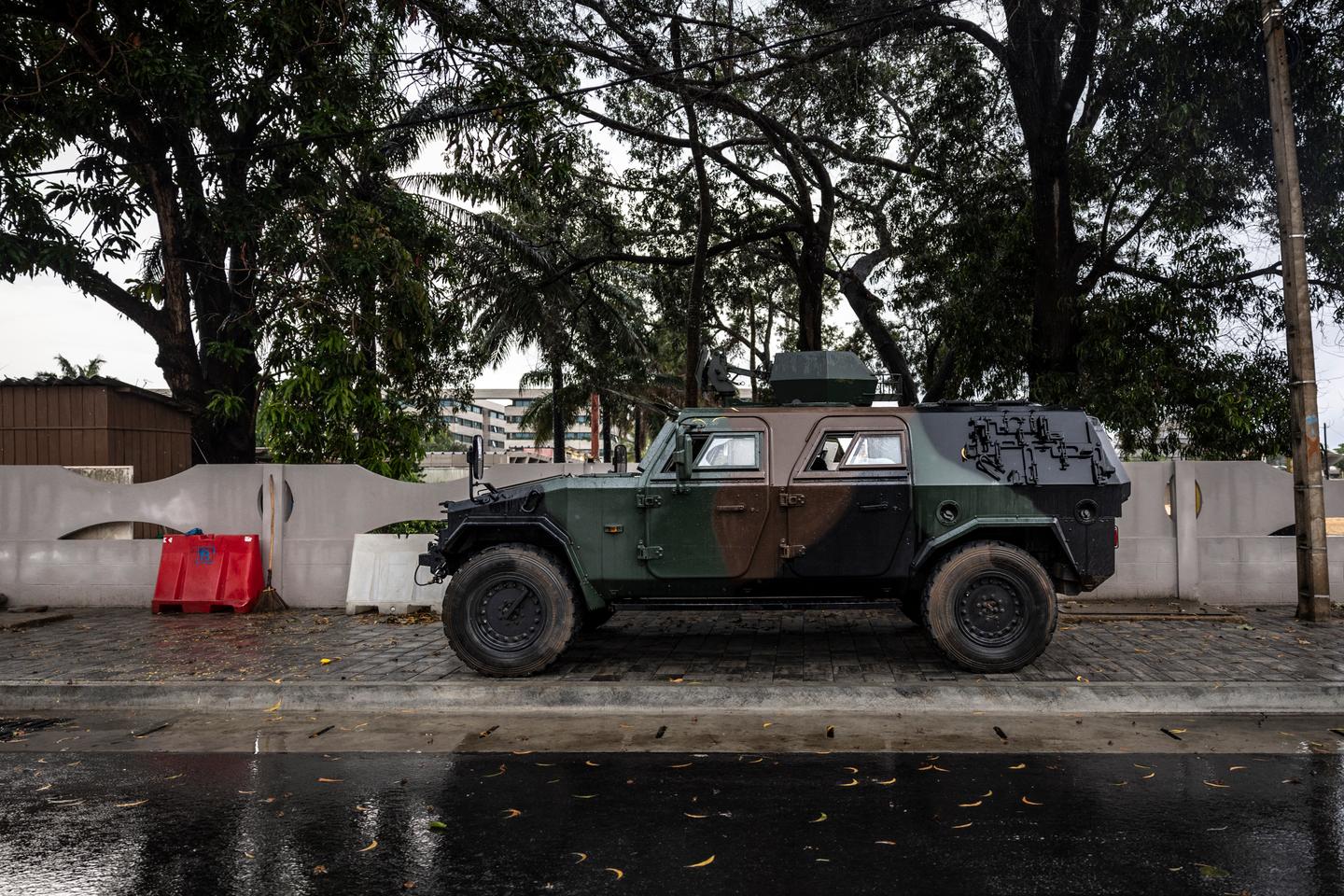
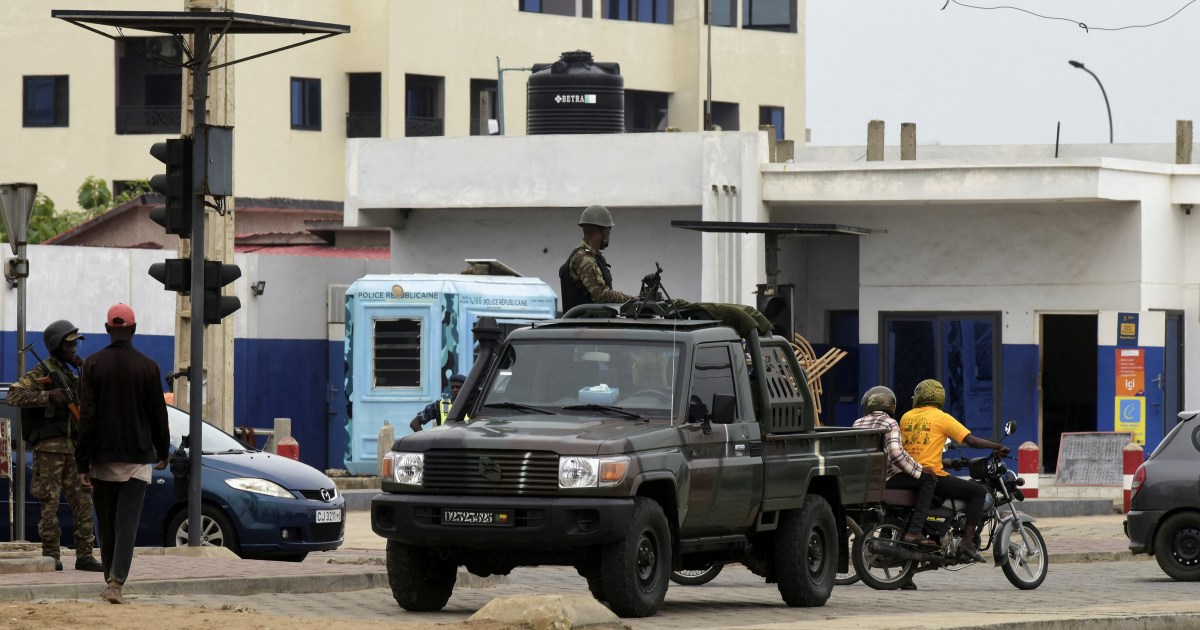
Less than a week earlier, on the morning of December 7, they had been on high alert: Some of their fellow soldiers had attacked them just meters away in an attempted coup, the first Benin had seen since 1972. This crisis was narrowly averted thanks to the response of these loyalist troops, supported by Nigerian fighter jets and French special forces.
"We came very close to disaster," admitted Wilfried Houngbedji, the government's spokesperson and deputy secretary general, three days later. Despite the apparent calm that had returned to the large port city of Cotonou, the rift exposed on December 7 threw the Beninese army – and, more broadly, President Patrice Talon's outgoing government (after serving two terms, he is not eligible to be a candidate in the April 2026 presidential election) – into doubt, especially as the country's north faces pressure from Sahelian jihadist groups and tensions run high with the ruling juntas in neighboring Burkina Faso and Niger.