https://arab.news/jwsmr
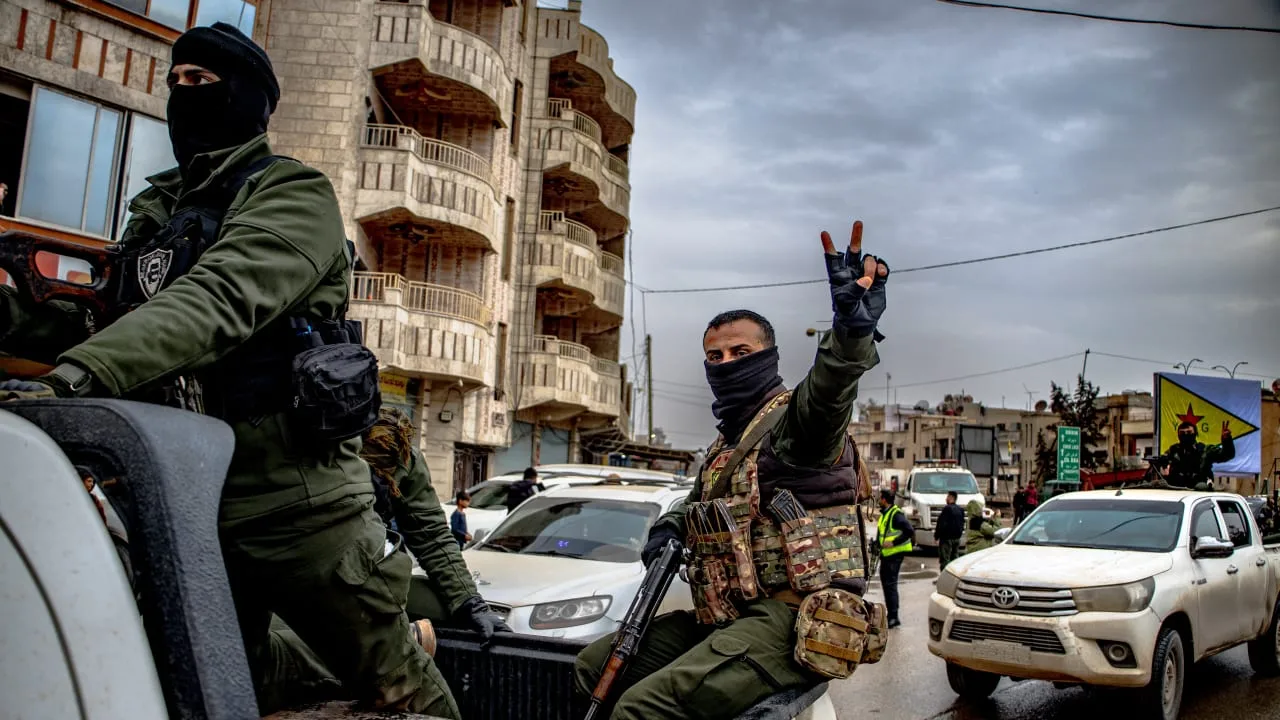
I recently engaged in a conversation with a journalist who has visited Syria multiple times since the fall of former President Bashar Assad’s regime and spent an extended period there. He shared his observations, particularly regarding armed fighters — especially foreign ones — the behavior of armed groups aligned with the new government and the efforts of the Ministry of Interior and the Ministry of Defense to bring these groups under a unified central authority and prevent security lapses or legal violations.
The friend, instinctively assessing the situation through a journalist’s lens, voiced concern over a profound ideological issue within the armed groups, long shaped by closed religious discourses, rigid extremism and deep suspicion of those who disagree with them, often escalating to the exclusion or elimination of others through violence.
These extremist ideas within disparate armed groups were amplified by the fall of Assad rather than contained, as some might have anticipated, driven by a heightened sense of power. This was clearly reflected in the events on the Syrian coast involving Alawite communities and in Sweida with the Kurds, where armed groups aligned with the new regime — some of them part of its structure — carried out violent acts against civilians, thus deepening the crisis.