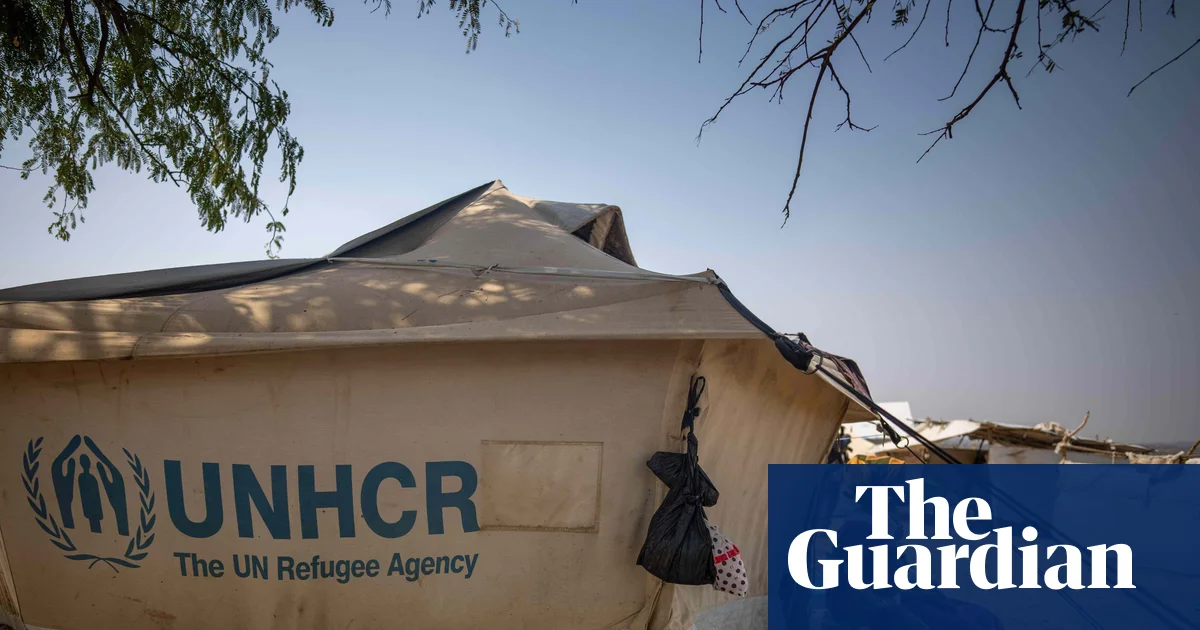
"It's certain, we now know there will be a new wave of layoffs next year because we simply don't have enough funding." Fresh from New York, where she joined her staff federation in late November to meet with UN leaders and member states, Nathalie Meynet, chair of the staff council at the Office of the United Nations High Commissioner for Refugees (UNHCR), showed signs of exhaustion. "We've already let go of a quarter of the workforce (5,000 contracts) and will have to cut even more, without knowing when it will end," Meynet said with a sigh. "The stress is overwhelming." How will the organization recover from these layoffs and continue to fulfill its mission?
Like other UN funds and programs – including the World Food Program (WFP) and the United Nations Children's Fund (UNICEF) – the UNHCR, which relies on donors, was hit hard at the start of this year by the Trump administration's decision to freeze, delay or cut US funding. "The job cuts happened in a brutal manner. Within weeks, national staff in the field found themselves out of work, without health insurance," Meynet explained, though she credited the high commissioner with attempting to preserve jobs by seeking alternative sources of funding.