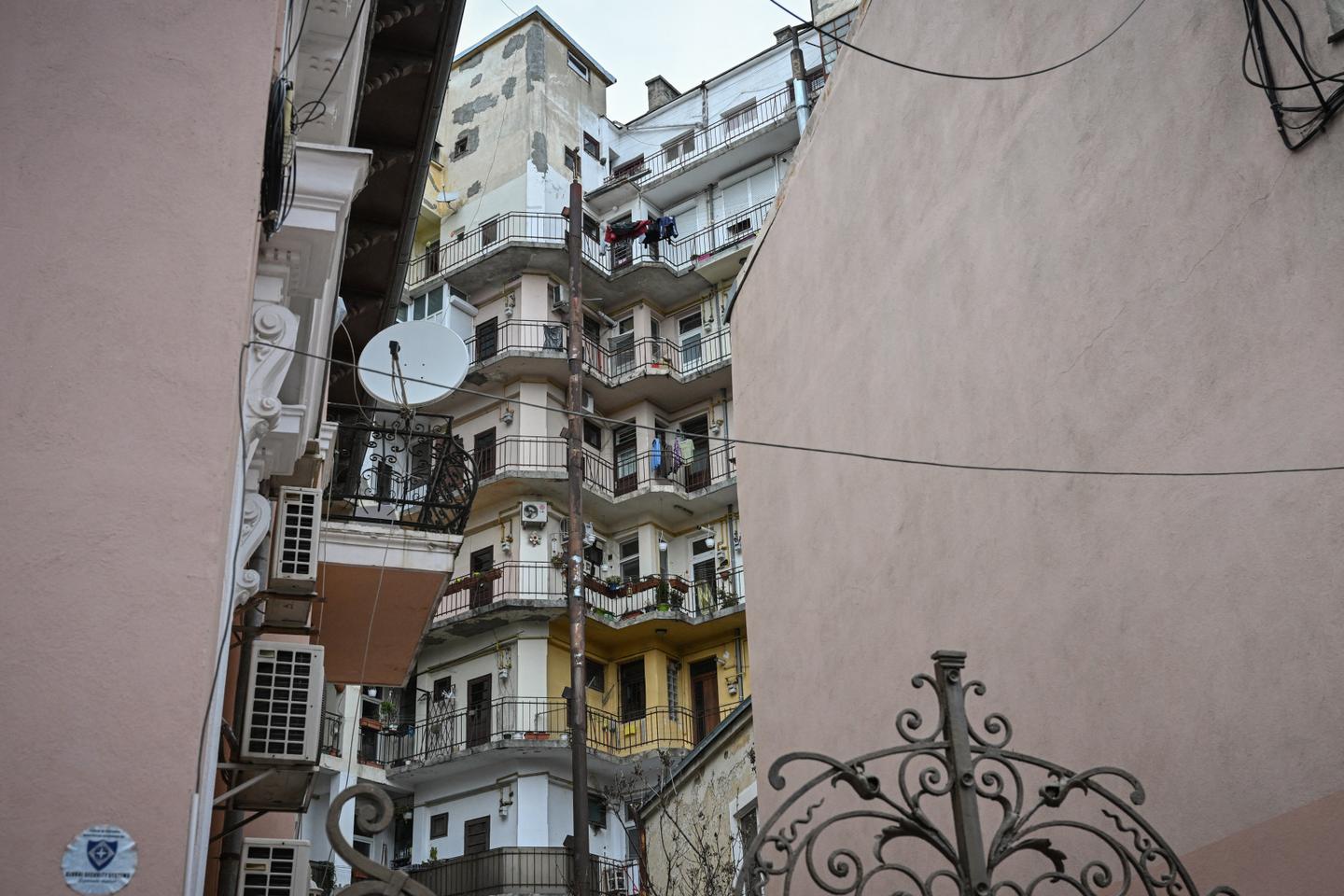
At the end of November, Bogdan Orodel, 31, spent four days without hot water or heating in his two-room apartment on the sixth floor of a building constructed during the communist regime. To bathe, he filled a large pot with cold water, heated it on the gas stove, then poured it into a wide green basin. In Bucharest, everyone has their own tricks: using a kettle, buying a water heater, or even leaving gas burners on constantly to heat the room.
In fact, this article was written during an outage caused by a pipeline issue. Fortunately, the neighbor had an individual gas boiler, and, as a last resort, a gym is never far away. Gyms have benefited from this situation, as many Bucharest residents have taken out memberships – if they can afford it – just to have access to a hot shower.
With its 1,000 kilometers of primary pipelines, which run from four gas-powered thermal plants, and 2,800 kilometers of secondary pipes, Bucharest's district heating network is the second largest in Europe after Moscow. This centralized system has served more than half of the city's roughly 2 million residents, as well as businesses and public institutions. But these pipelines are aging. Some have not been replaced since the network's construction began in the 1960s. Water leaked – up to 2,400 metric tons were lost per hour – and pipes cracked on a regular basis.