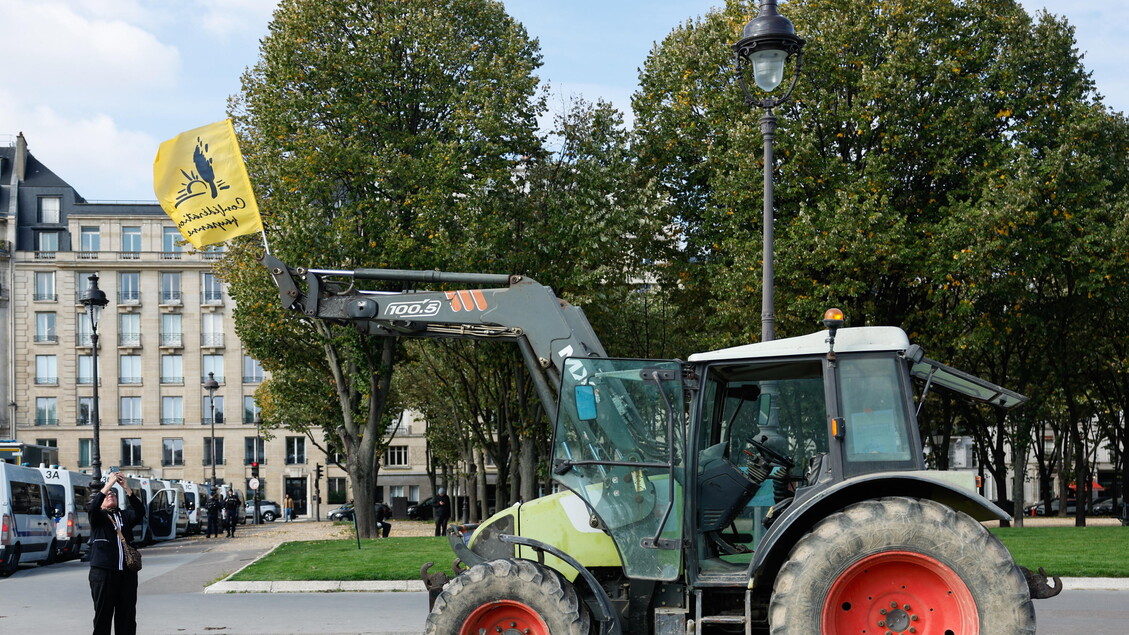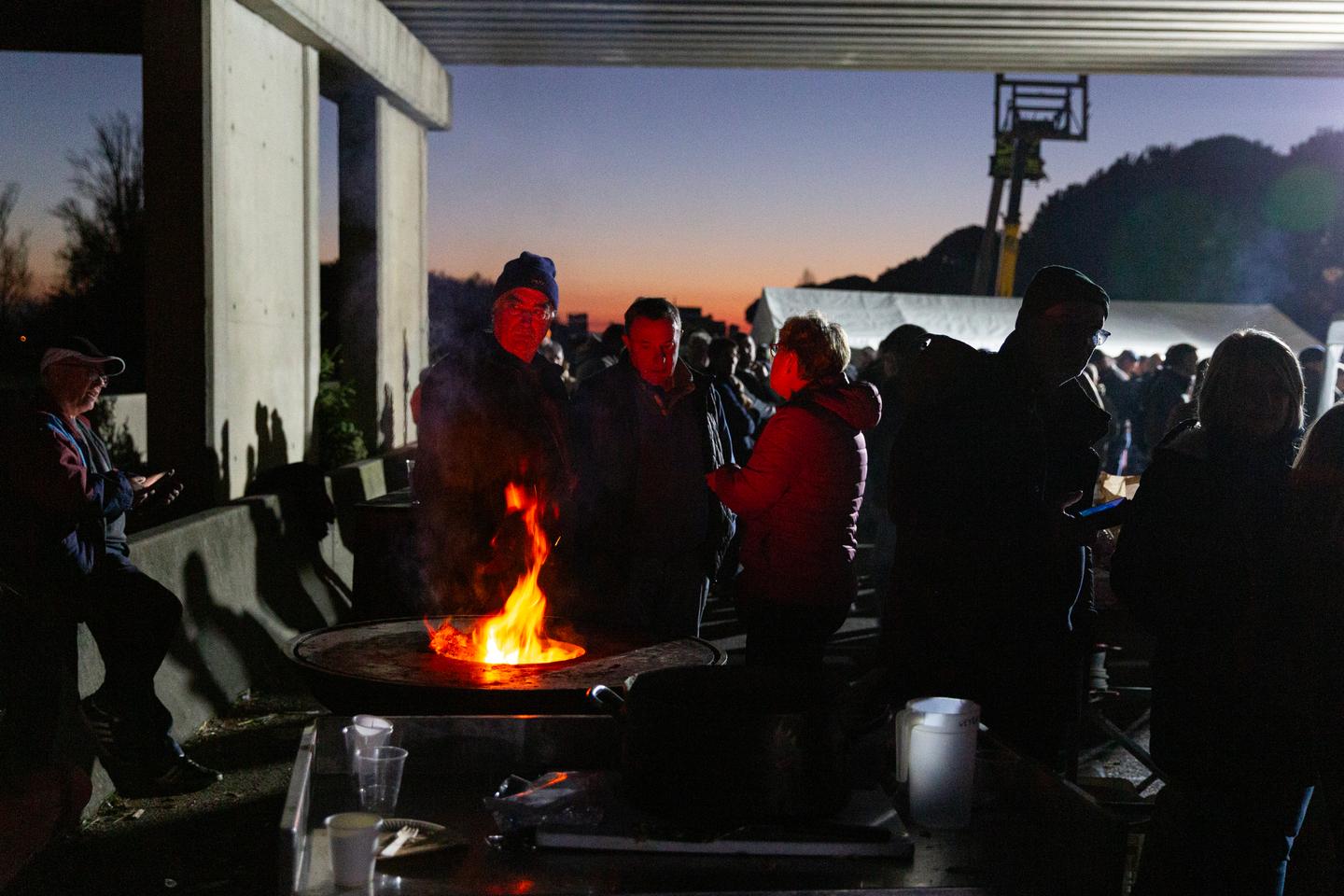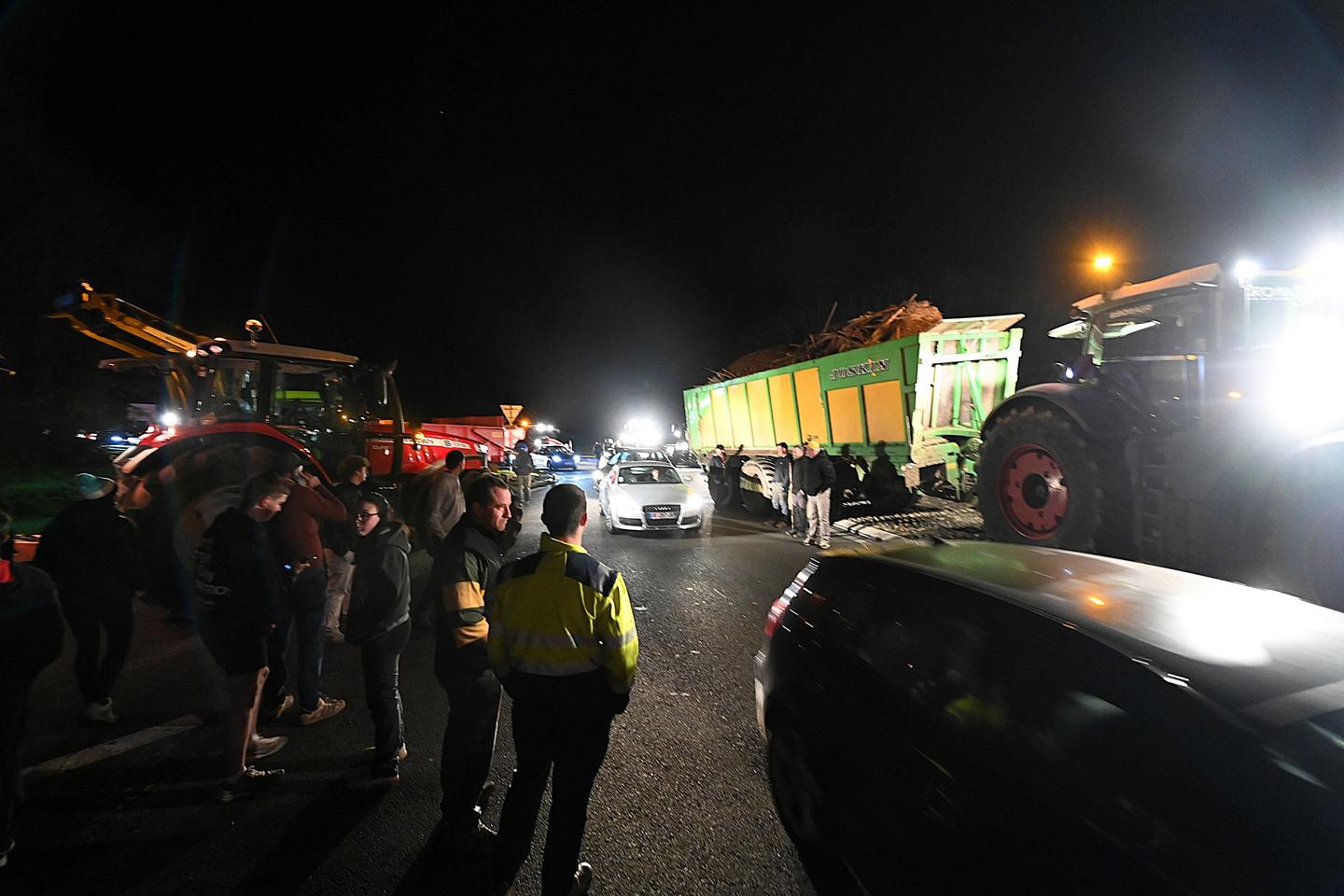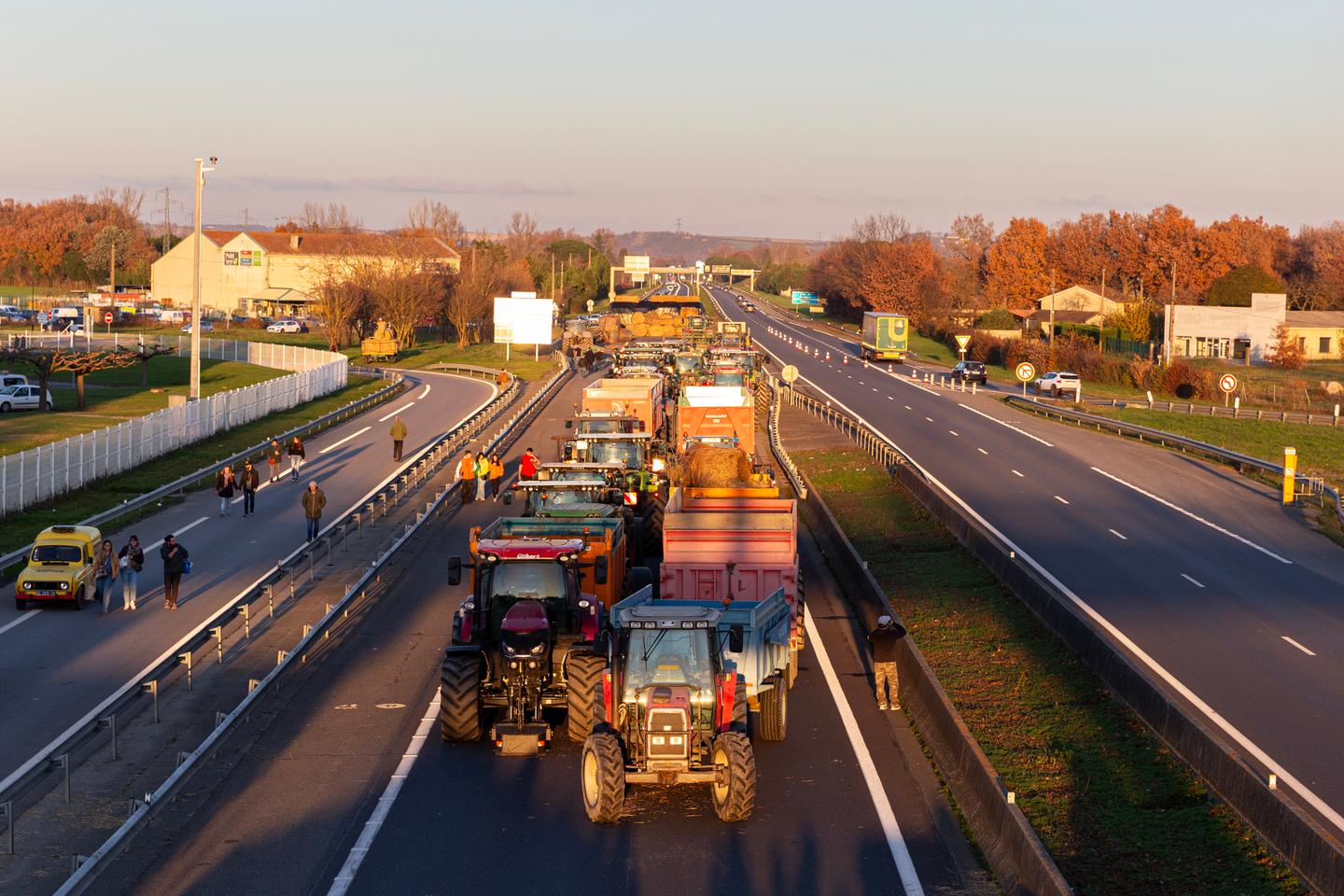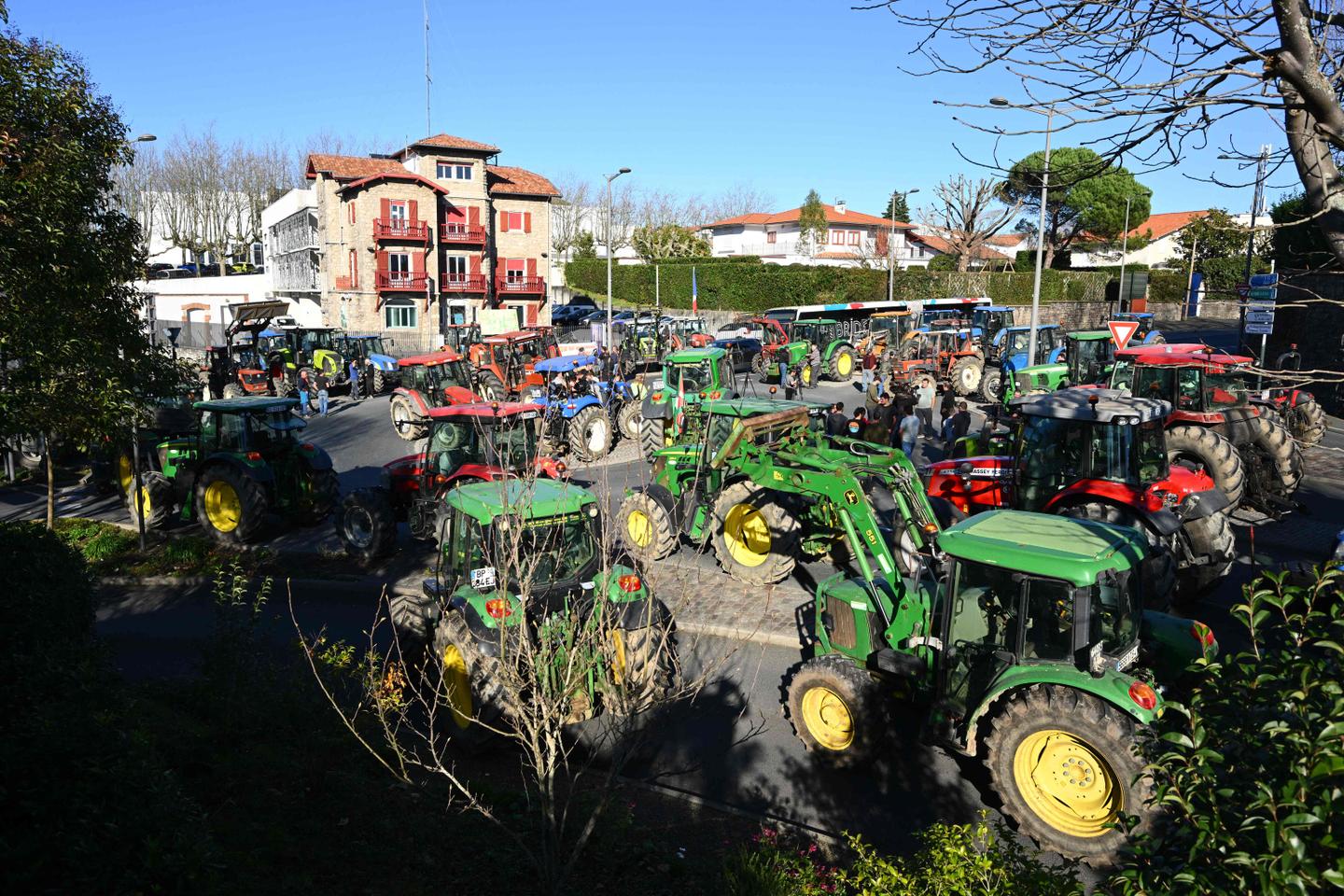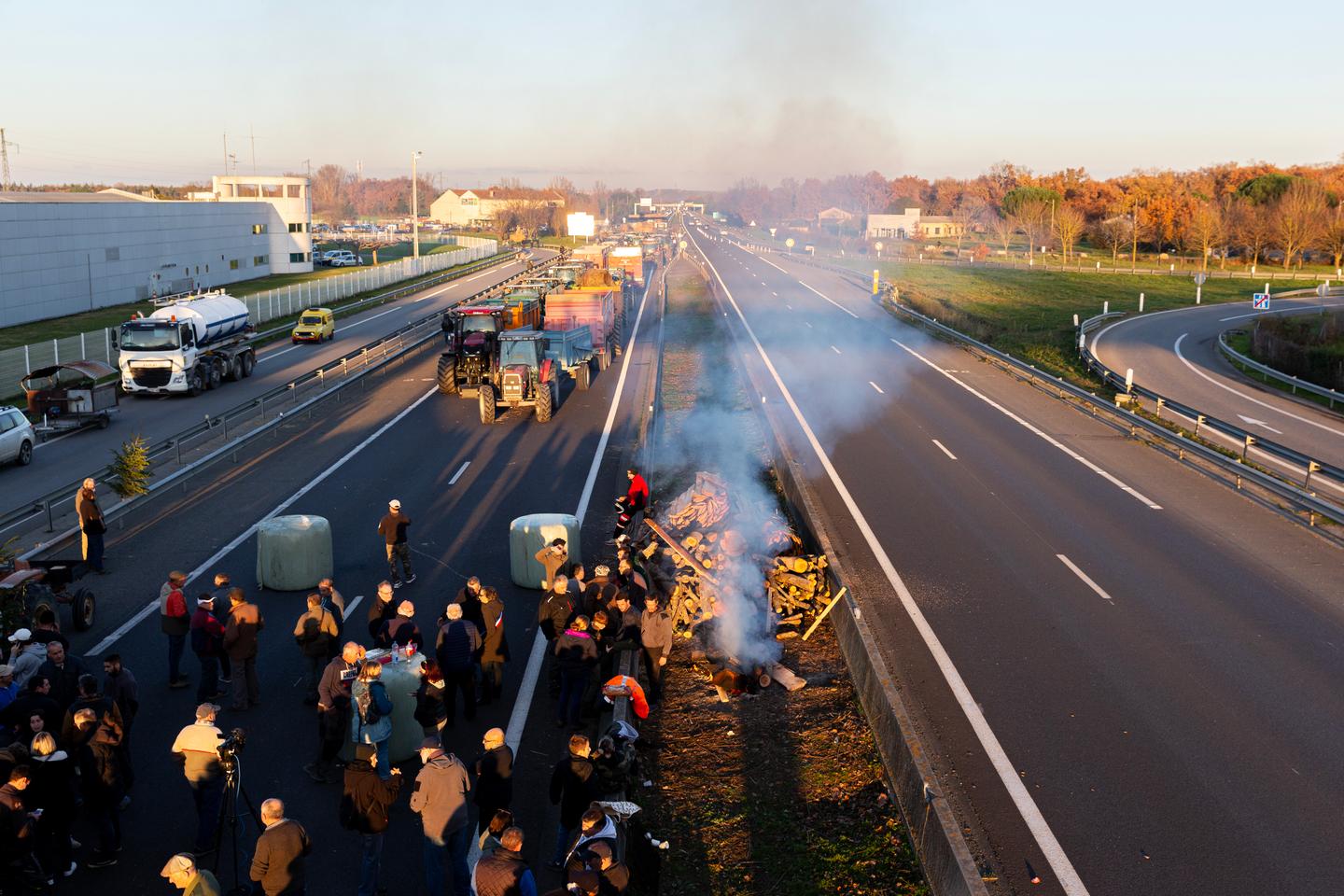
Farmers blocking the A64 Motorway near Carbonne (Haute-Garonne), December 13, 2025. MORGAN FACHE/DIVERGENCE FOR «LE MONDE»
T
wo years after the mass agricultural protests that began in Occitanie in the winter of 2023-2024, a new crisis has set the country ablaze. While it crystallized around an outbreak of contagious nodular dermatitis (DNC) threatening France's livestock, it actually stems from multiple sources: plummeting prices, falling incomes and often insurmountable debt levels, a tangle of regulations, the new European carbon tax, and the looming threat of unfair competition if the European Union-Mercosur free trade agreement is signed this week. Not to mention the possibility that France's agricultural trade balance could be in a deficit this year for the first time in fifty years.
On Tuesday, Prime Minister Sébastien Lecornu stepped in for Agriculture Minister Annie Genevard and tried to defuse the DNC crisis by demanding an "acceleration" of the vaccination campaign. Will he manage to smooth things over when many farmers recall that the promises made in response to other longstanding grievances by Gabriel Attal, his predecessor, resolved nothing? At its core, the anger expressed is rooted in real economic and social vulnerabilities, now compounded by the heartbreaking destruction of herds.