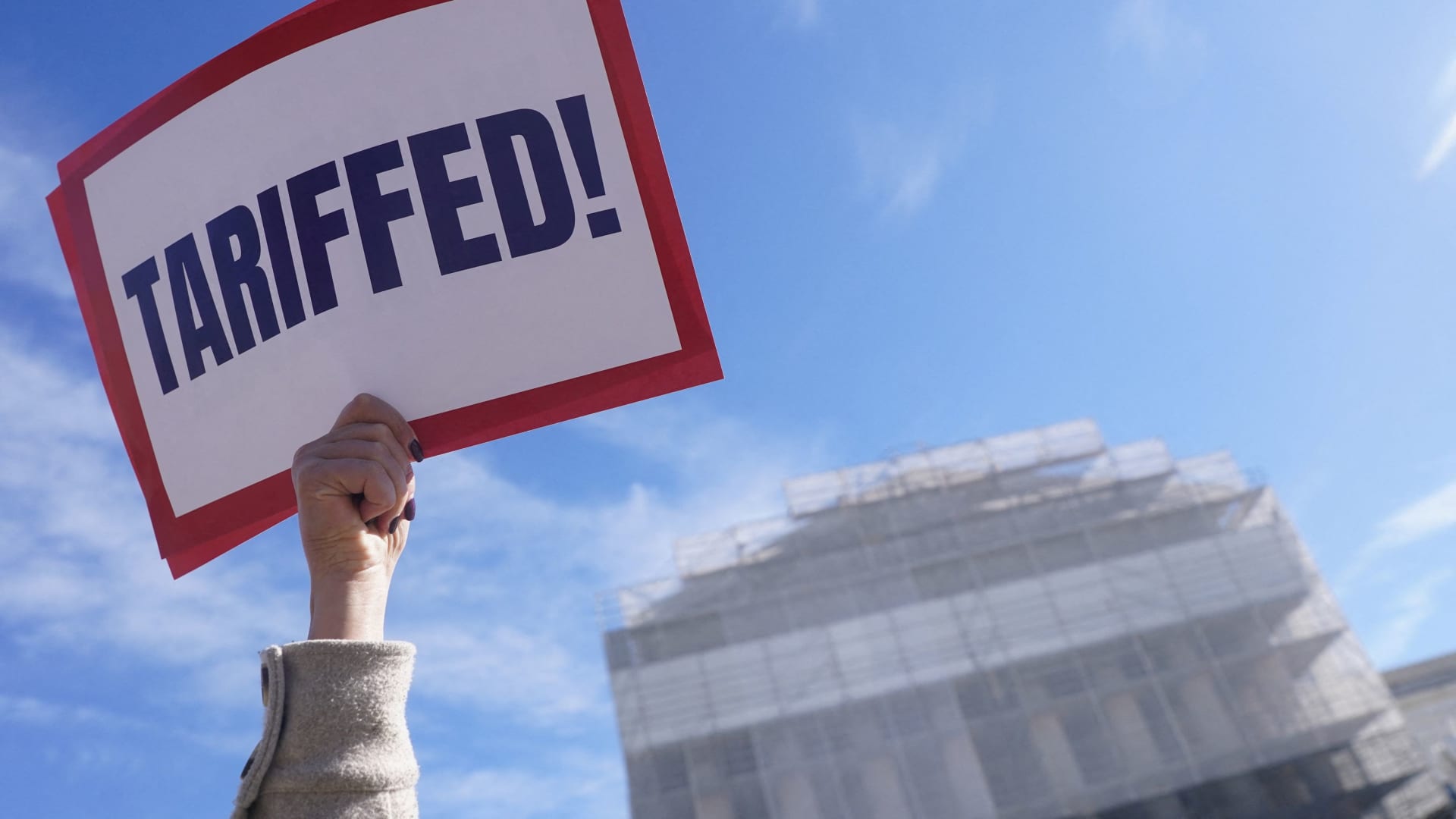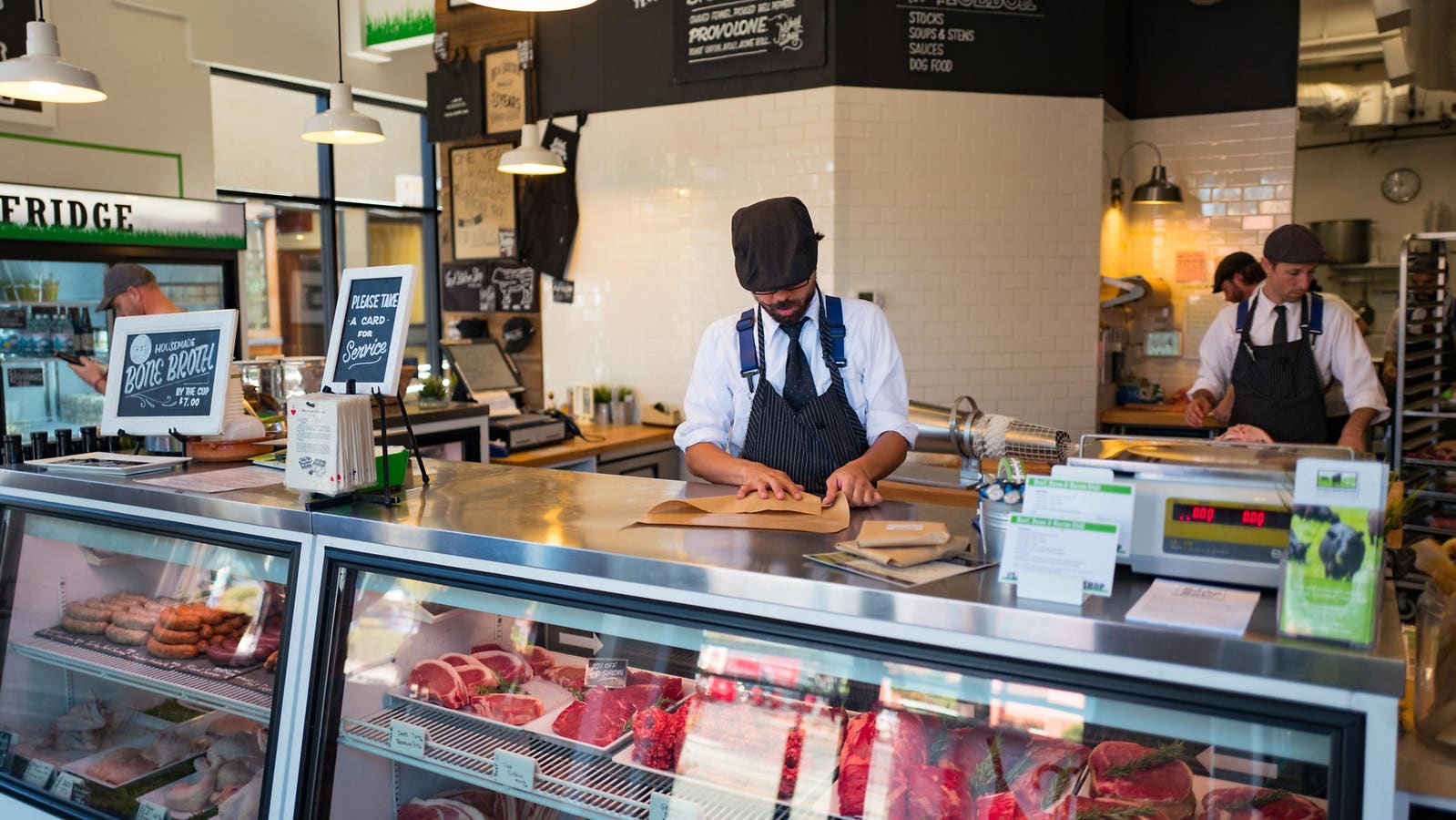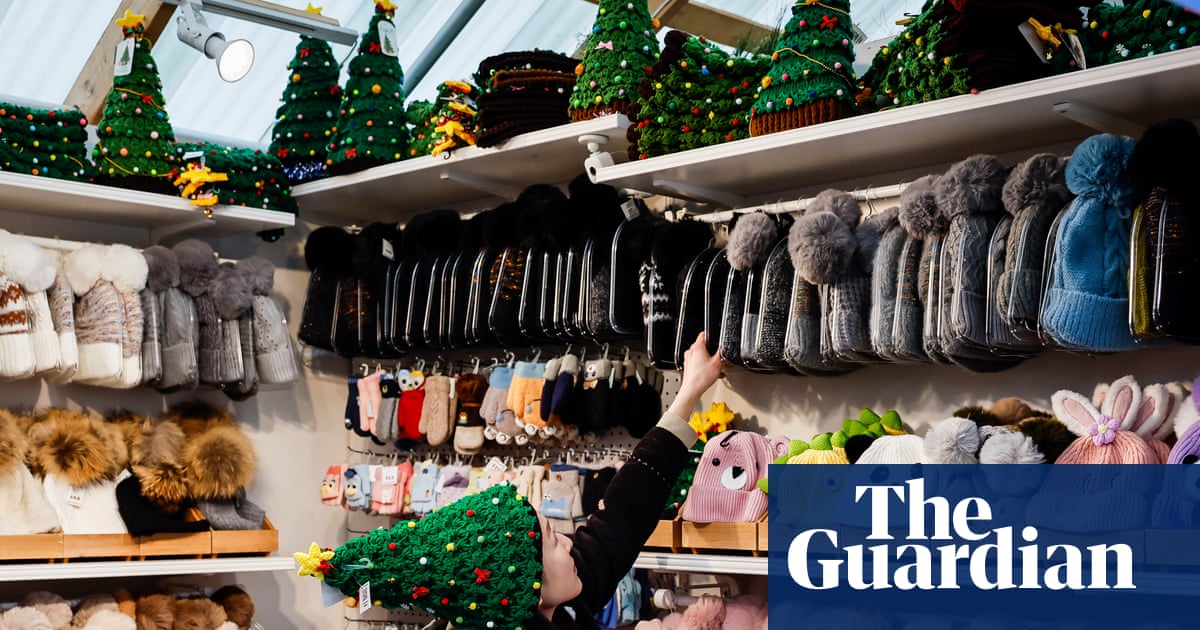
For the first time in a year-and-a-half, the growth engine of America’s small business economy has sputtered, with profitability growth slipping into negative territory in November. According to the December edition of the Small Business Checkpoint from the Bank of America Institute, rising costs associated with tariffs and inflation are forcing Main Street merchants to raise prices at historic rates, even as the holiday shopping season offers a critical lifeline.
While small business bank accounts remain in the black overall, the trajectory is concerning. Year-over-year profitability growth fell below zero (-0.02%) last month, marking the first negative reading for this metric in 18 months. BofA sees two real reasons this is likely related to tariffs, with the net percent of owners raising average selling prices jumping 13 points from October to a net 34%, the highest reading since March 2023 and the largest monthly jump in the history of the definitive small business survey from the National Federation of Independent Business.
This is also evident in small-business profitability growth by sector tracked across BofA small-business account data, where wholesale trade has declined the most over the year, down 1% in November. Within wholesale, durables such as the tariff-exposed electronics and furniture have driven most of the decline in the second half of the year, although non-durables like apparel are also down so far this quarter. This contraction signals that while revenues are still coming in, the cost of doing business is eating away at margins faster than sales can compensate. The data suggests that for many owners, absorbing tariff-related costs is no longer an option; they must charge more to survive.