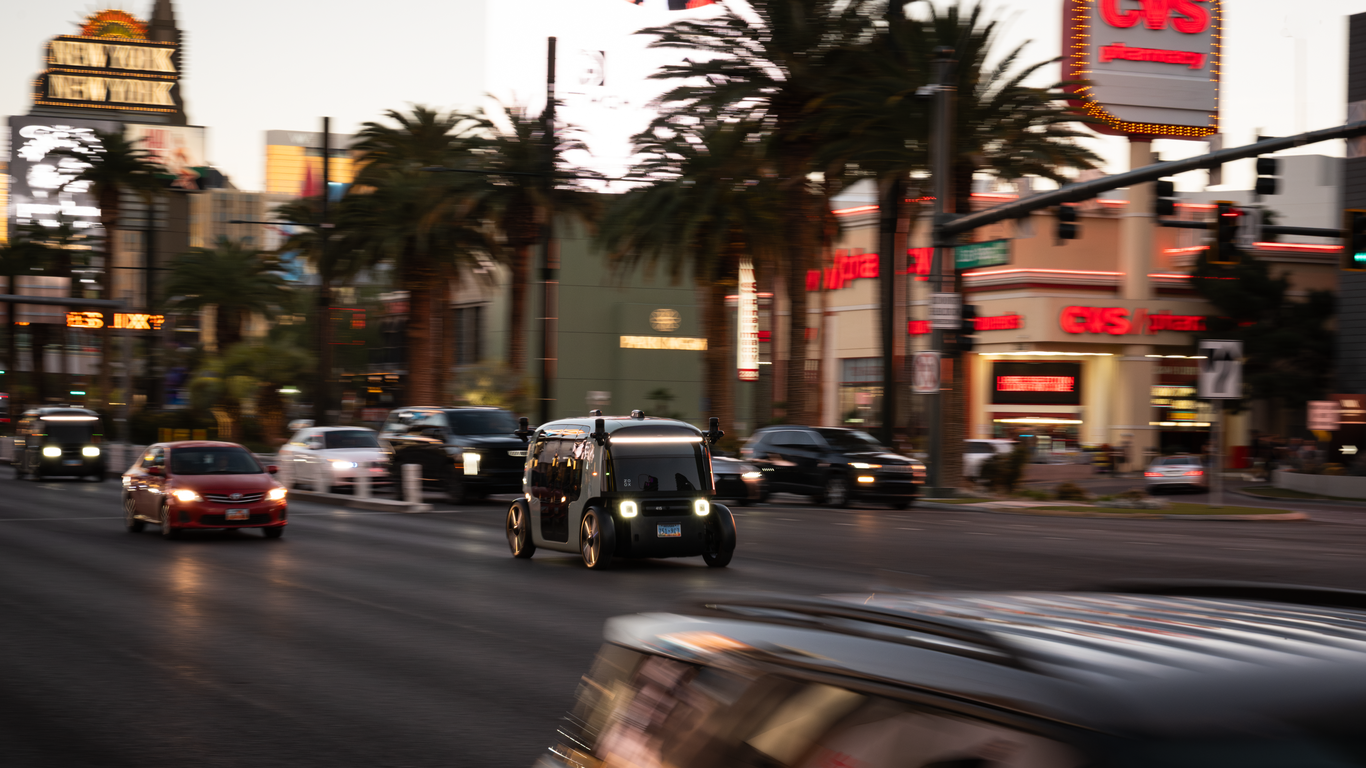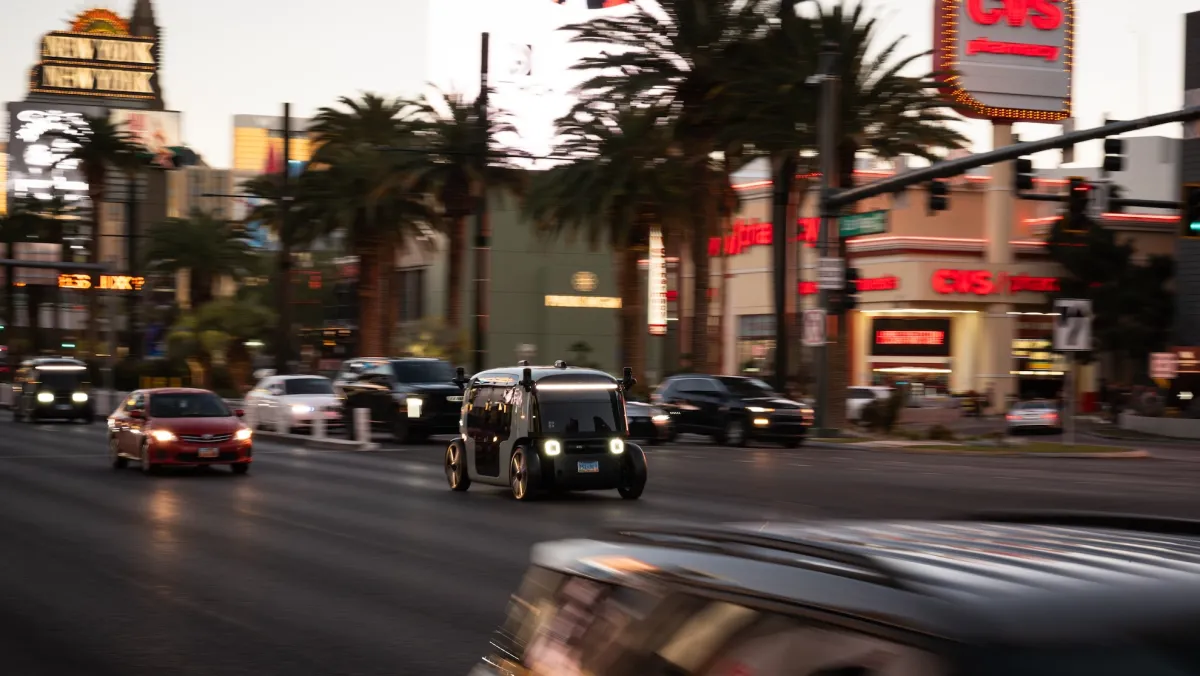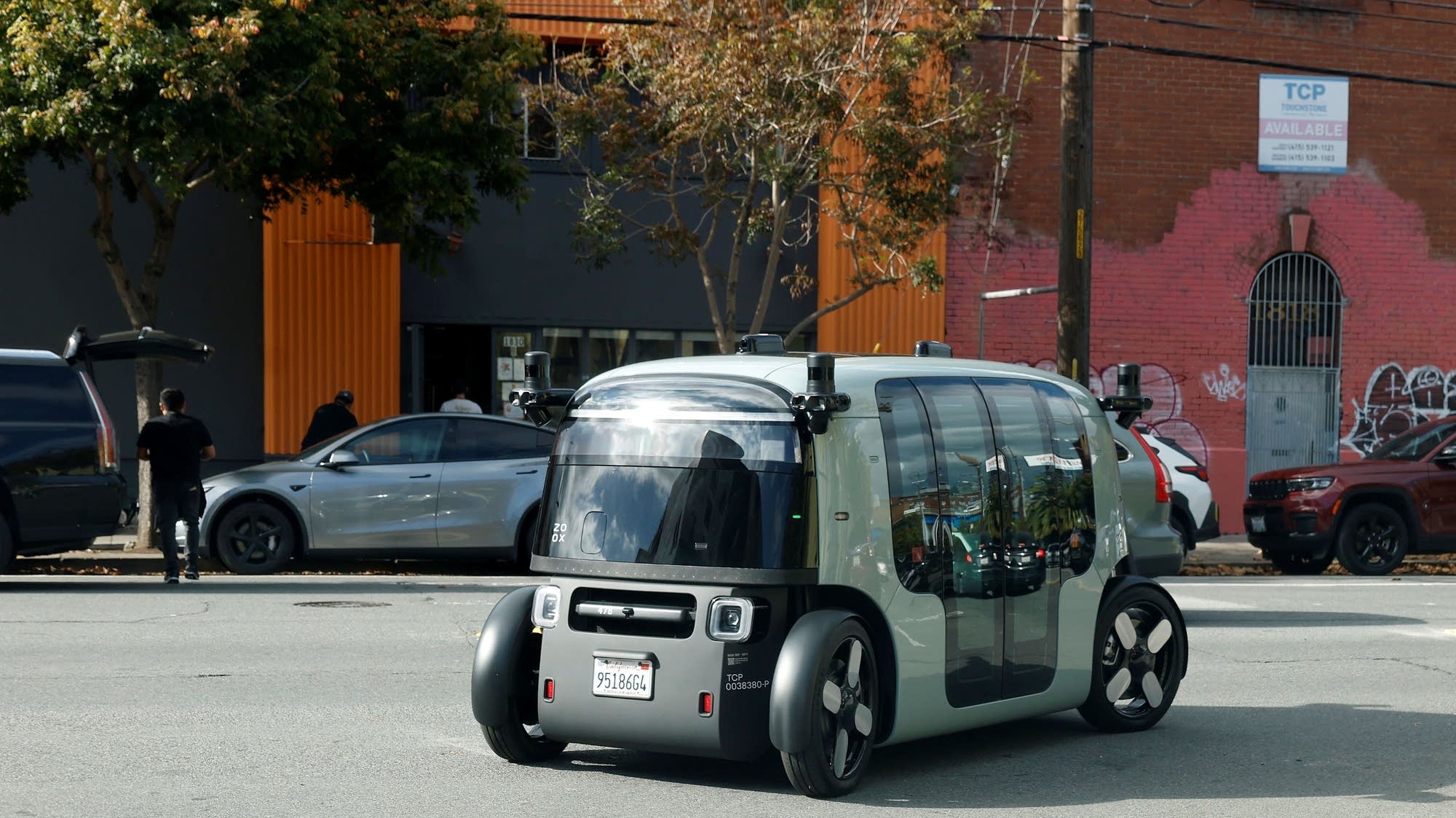
As Amazon’s Zoox ramps up its bid to compete with Google’s Waymo, cofounder and chief technology officer Jesse Levinson says one key feature sets the self-driving robotaxi unit apart from its rival.
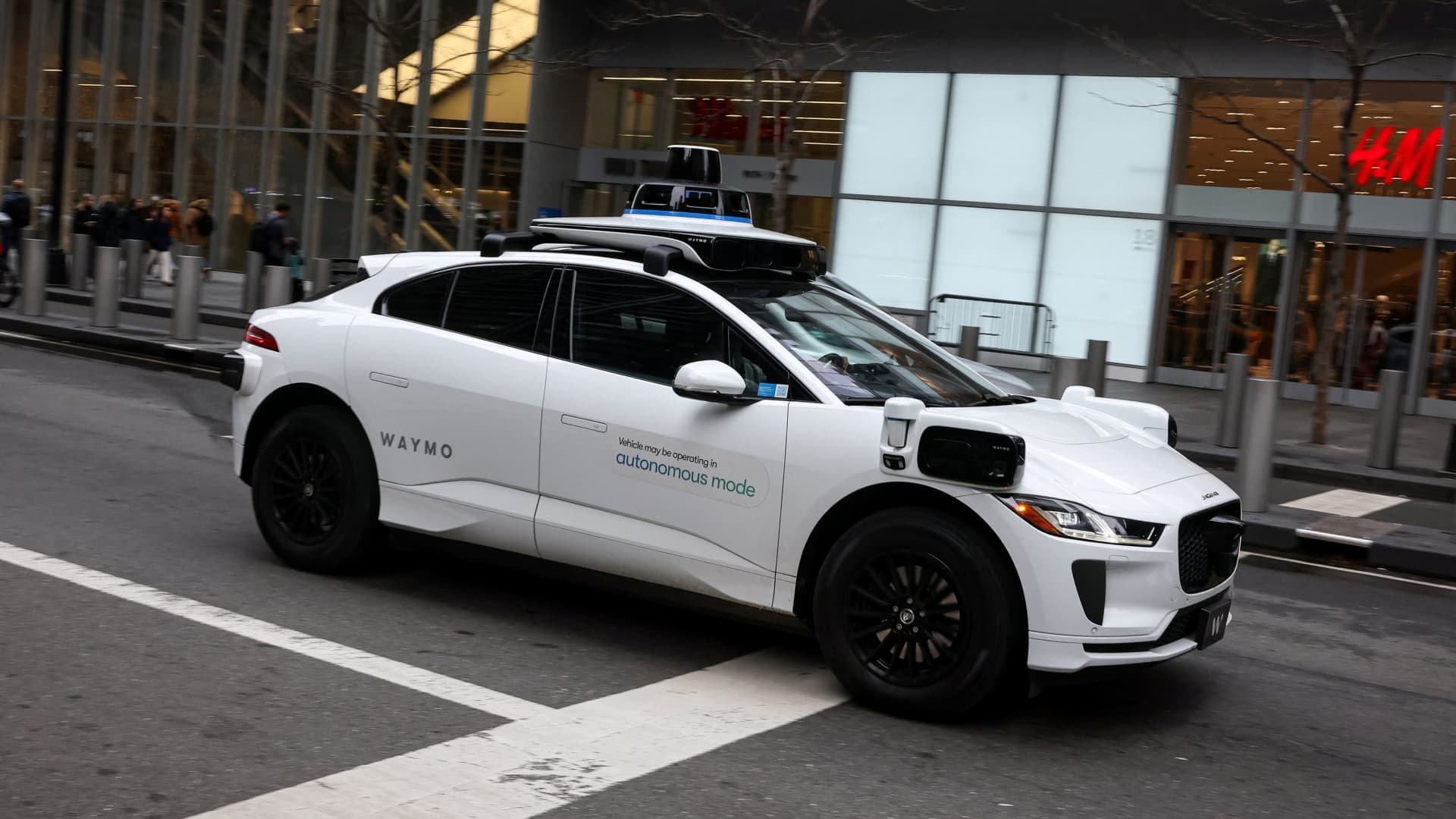
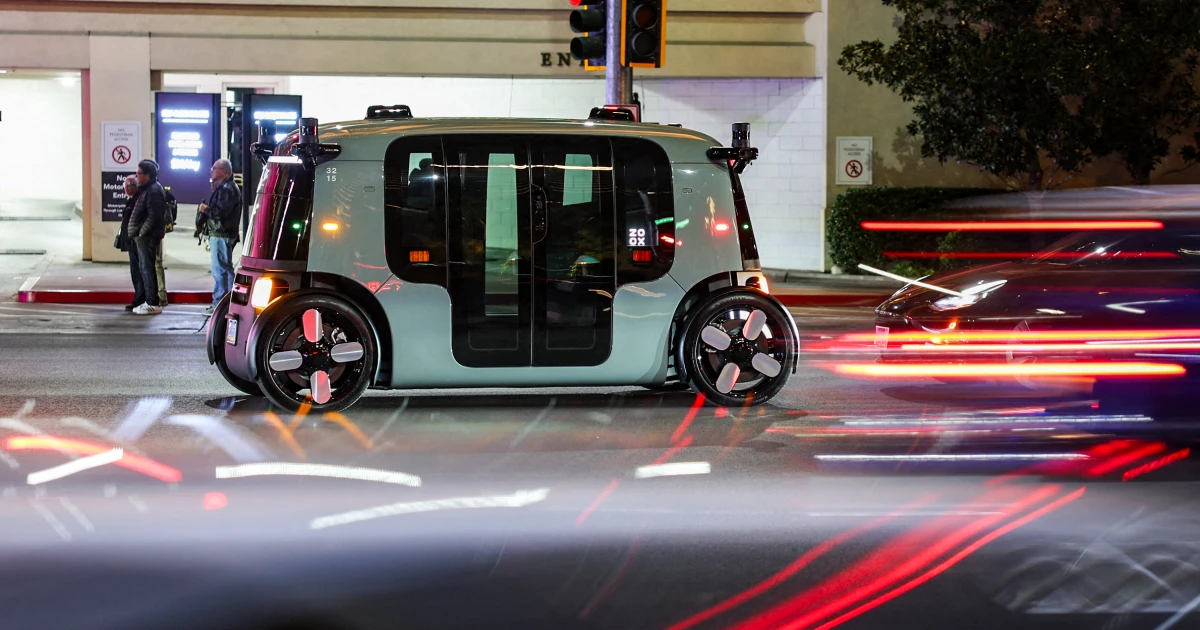
While a Waymo’s interior resembles a traditional car—with two rows of seats and a screen or steering wheel on the front left—Zoox’s vehicle features two rows of seats facing one another, a configuration Levinson says is better suited for groups.
“It’s just a much better experience, so your time in the vehicle is dramatically nicer,” he said at the Fortune Brainstorm AI event in San Francisco earlier this month. “You have much more space. If you’re with friends, it’s dramatically more social, because you’re facing each other.”
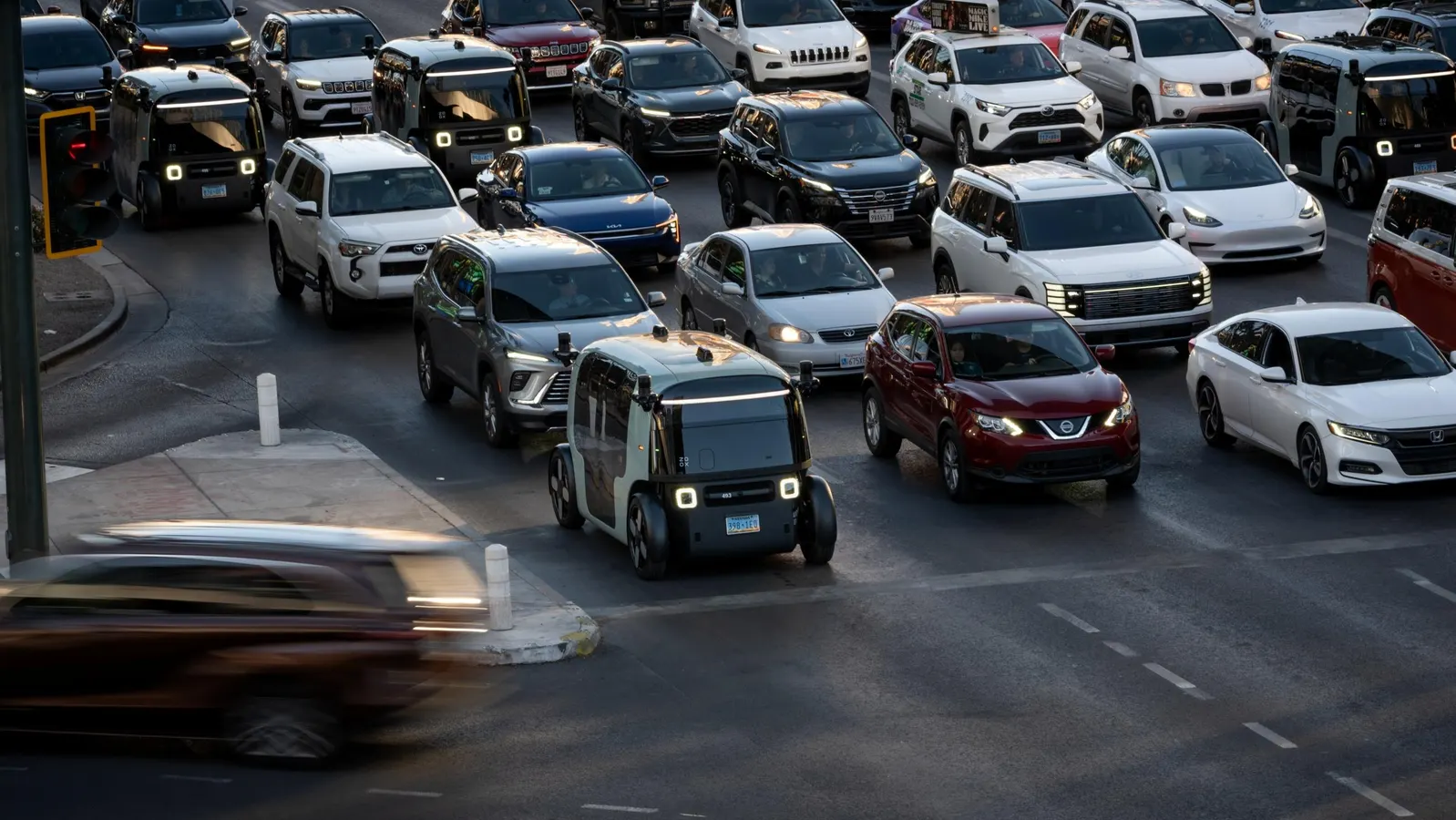
Waymo has largely dominated the robotaxi space since its first public launch in 2020, with a fleet size of more than 2,000, which recently completed 100 million miles driven autonomously. The company reached 10 million rides across the five cities where it is operational in May, double the number of trips recorded five months prior. Zoox, by comparison, is playing catch-up. After launching its first public robotaxi service in Las Vegas with free rides on its app in September, Zoox will begin offering paid rides in Las Vegas in early 2026, and expects to do the same in San Francisco later in the year, Levinson said. A few weeks ago, the robotaxi service, with a test fleet of about 50 across the two cities, passed its 1-million-mile technical benchmark.