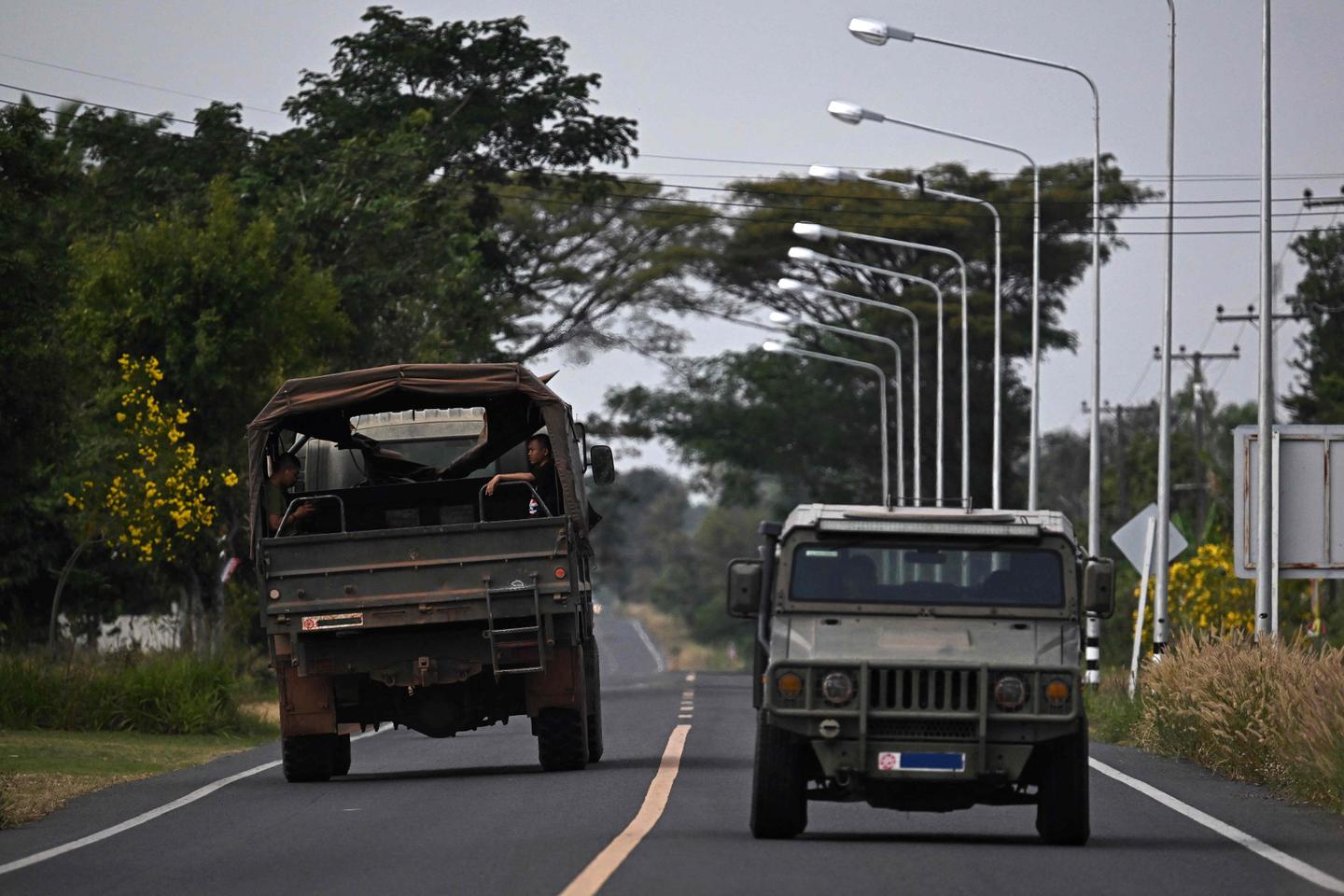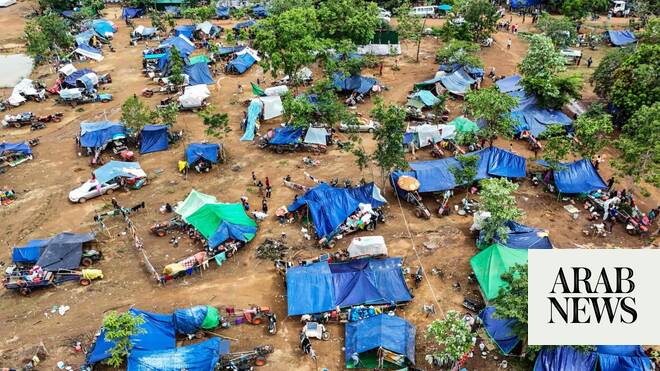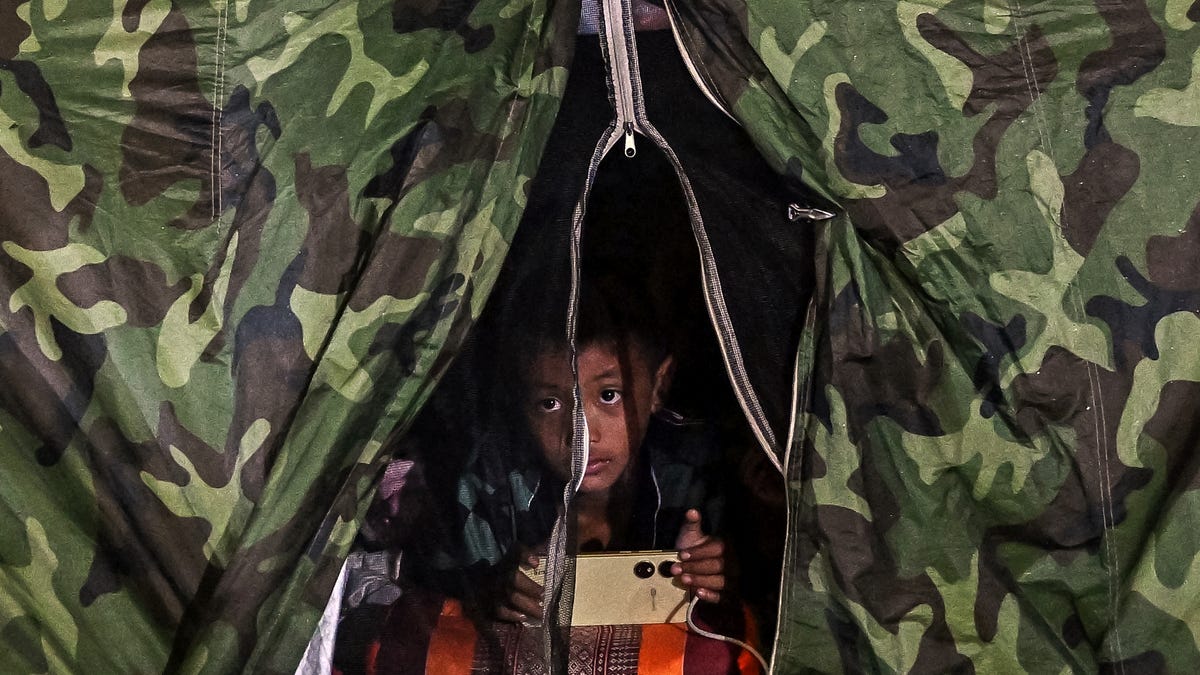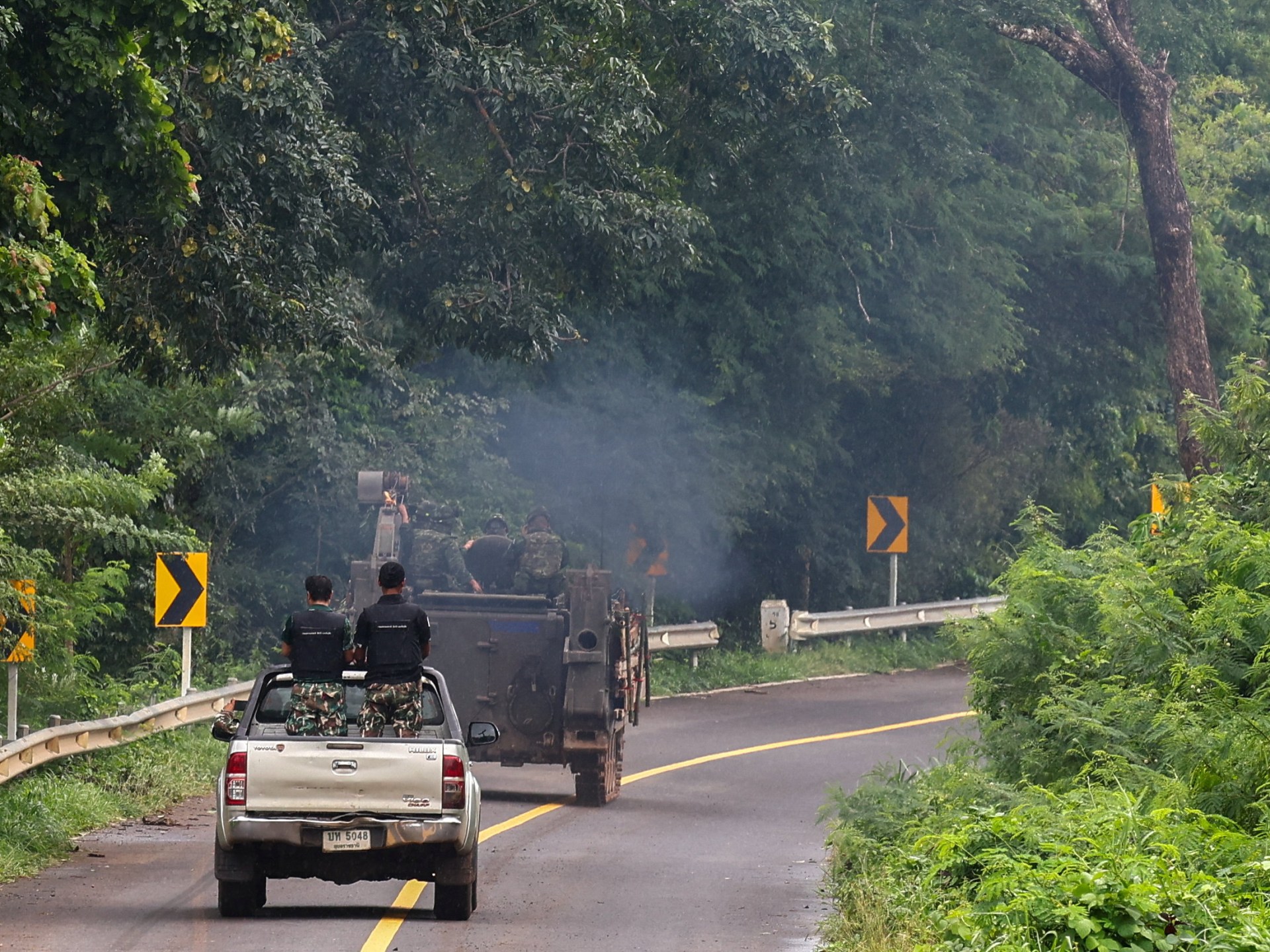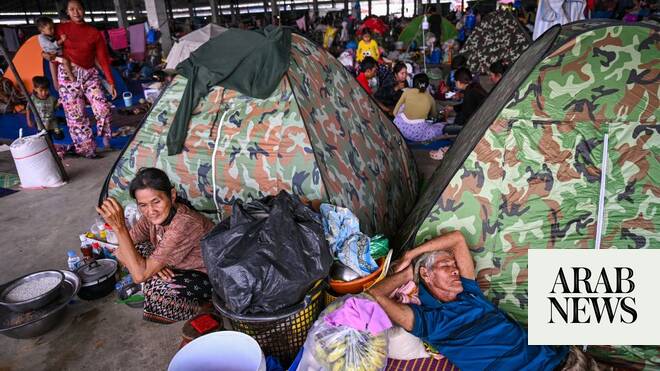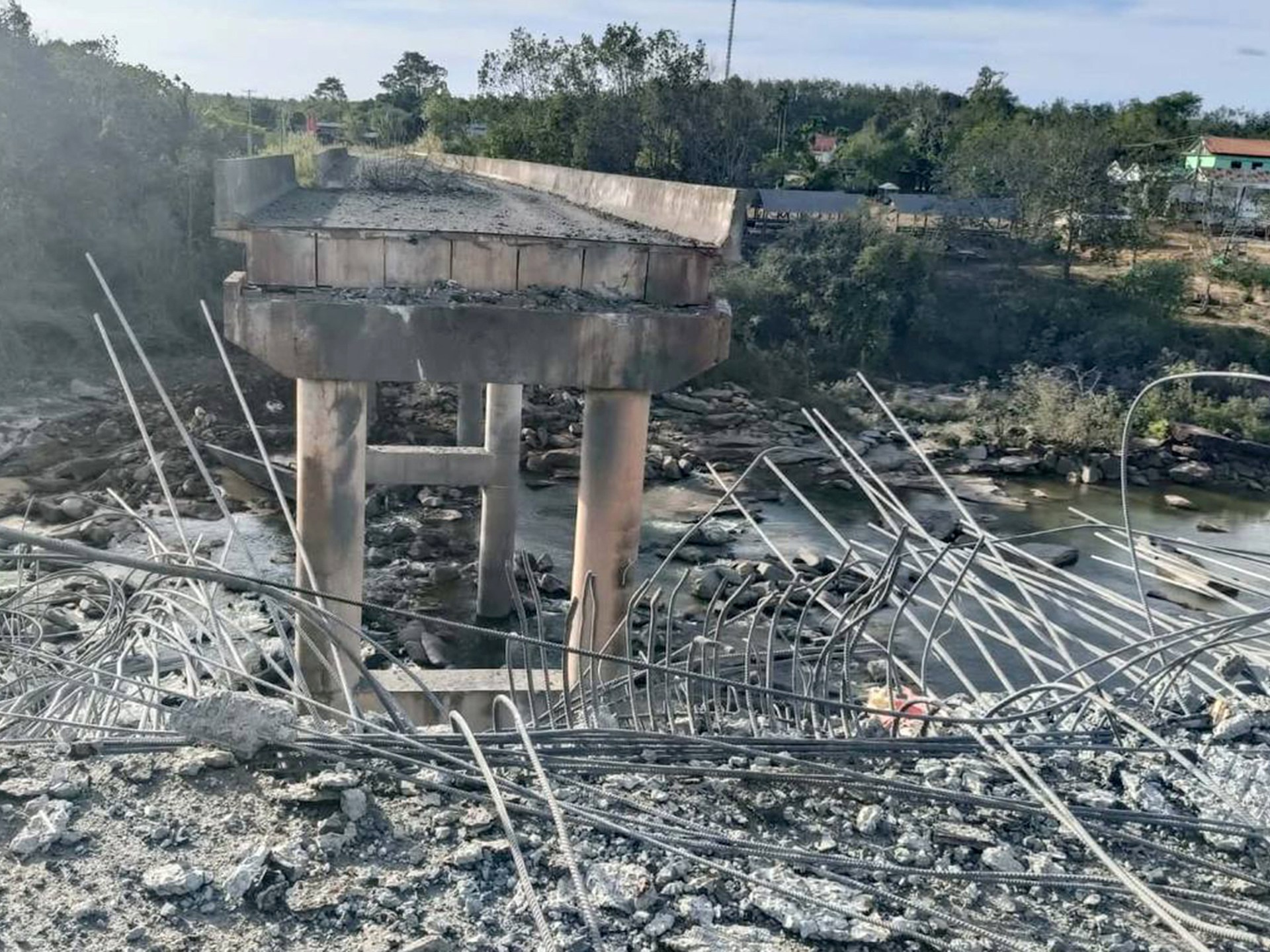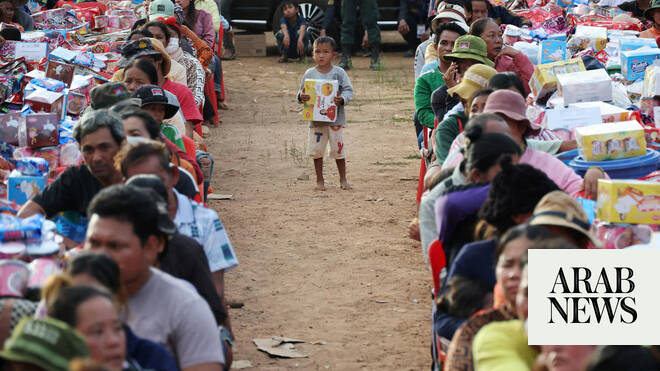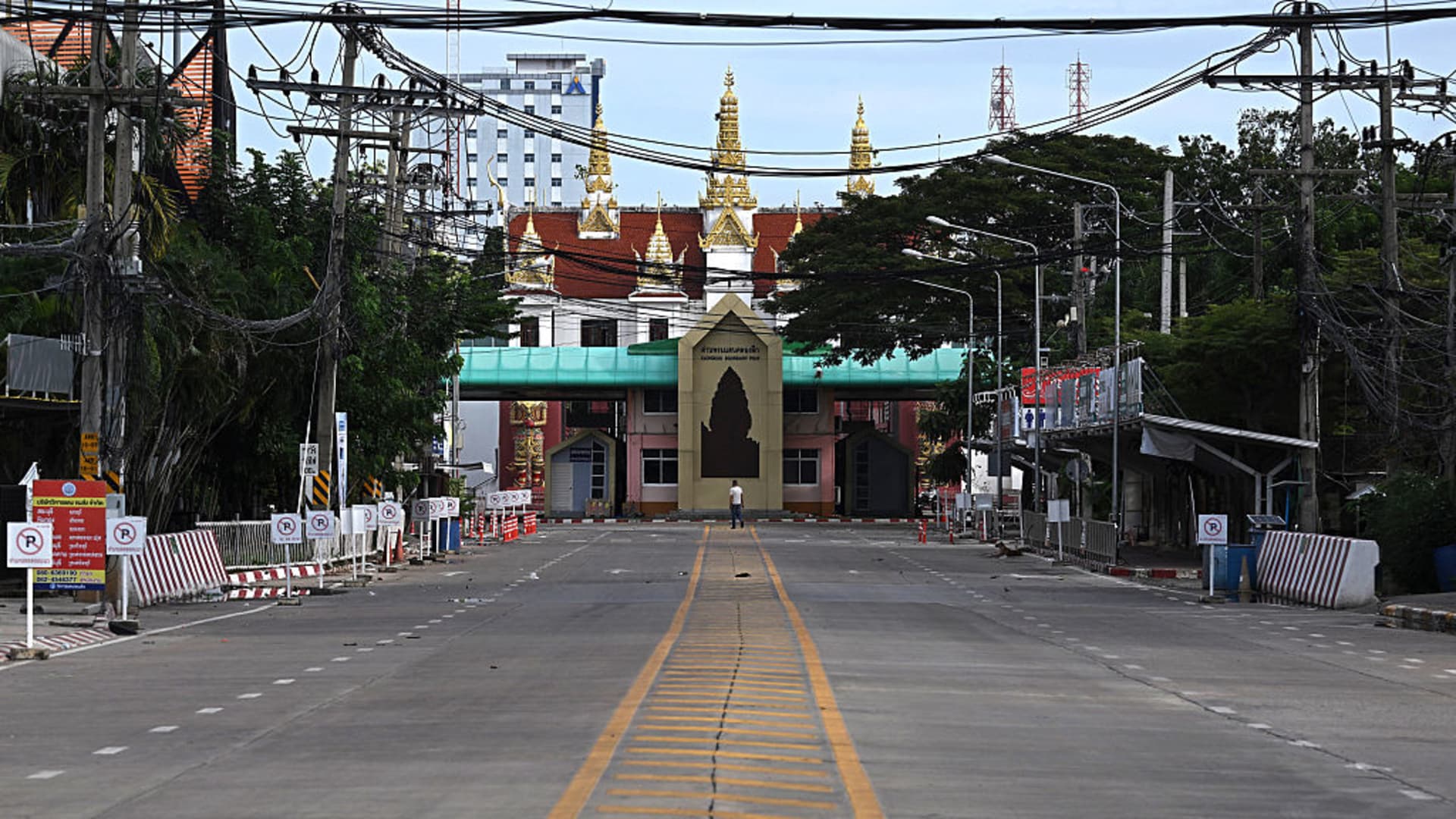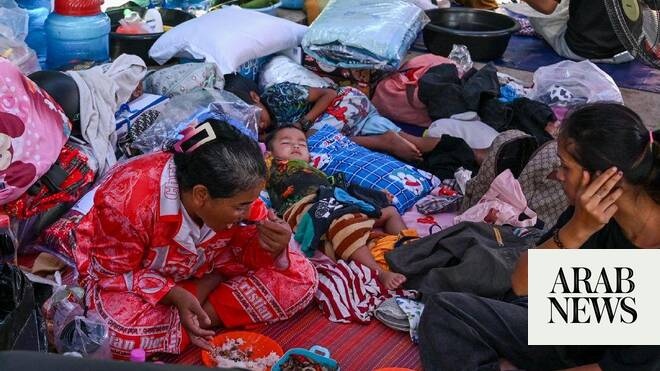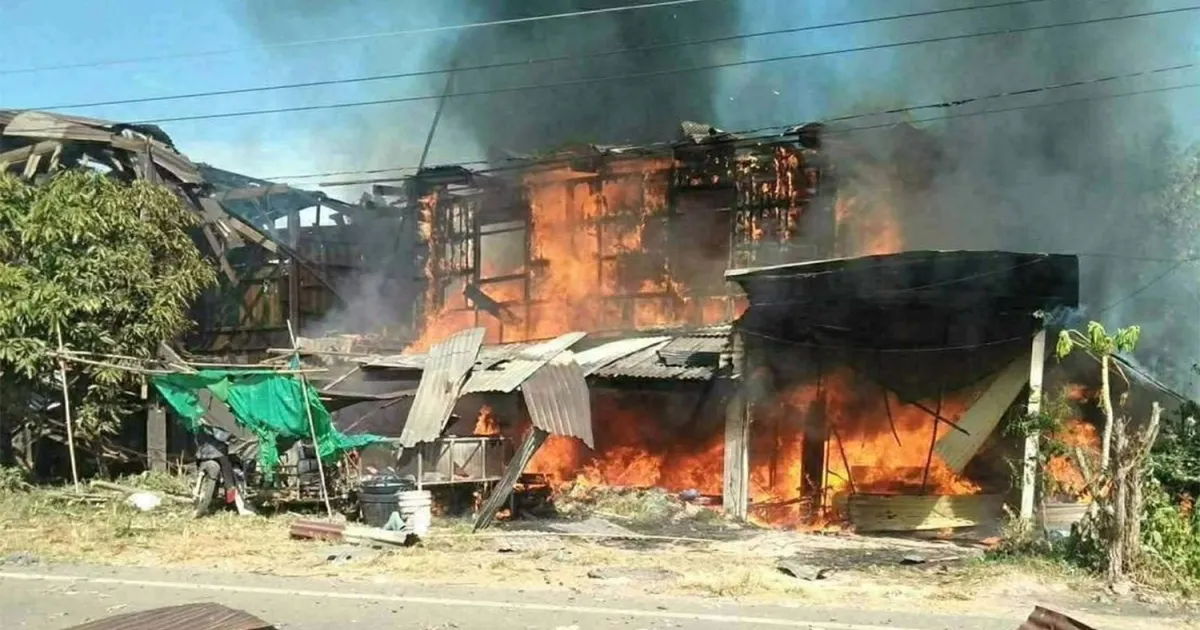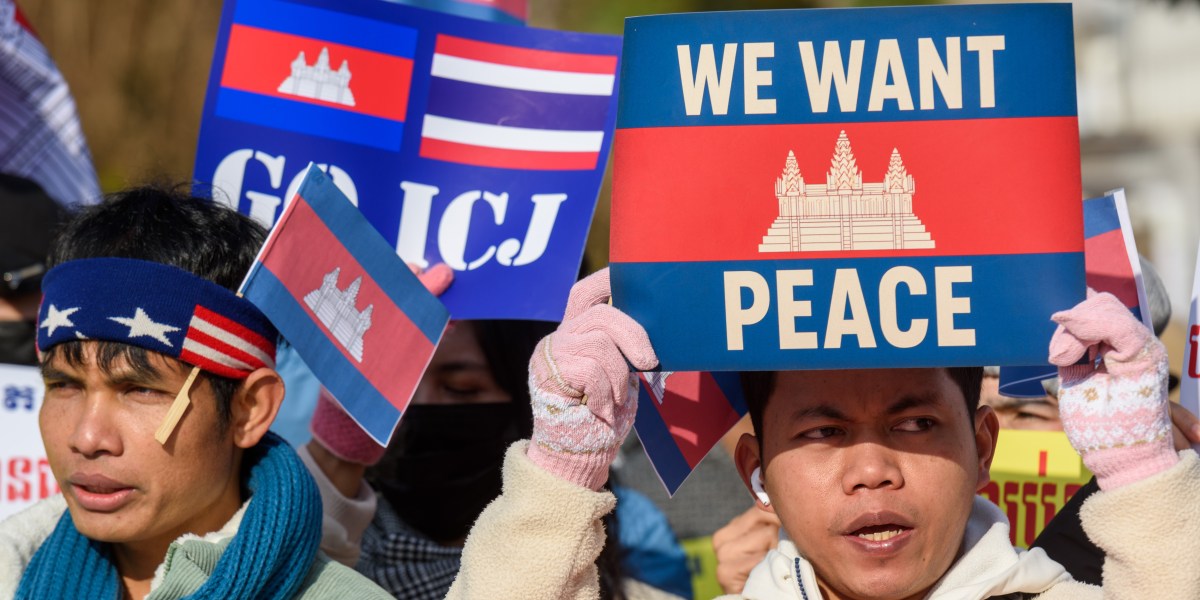
Renewed fighting between Thailand and Cambodia along their shared border has now raged for over a week, undercutting U.S. President Donald Trump’s aspirations to be a peacemaker, while also threatening an economy that spreads across Southeast Asia.
Thai and Cambodian forces clashed earlier this year, which ended after the Trump administration helped to broker a peace deal between the two countries, both members of the Association of Southeast Asian Nations, a bloc of eleven Southeast Asian countries. Trump announced the deal with great fanfare on Oct. 26, on the sidelines of the ASEAN Summit in Kuala Lumpur, and since touted the deal as evidence of his dealmaking prowess.
With skirmishes continuing along the border this week, Trump has tried to get both sides to honor the ceasefire, to no avail. The conflict’s repercussions are expanding beyond Thailand and Cambodia: on Tuesday, Thailand cut fuel trade across the border to neighboring Laos, due to concerns that shipments were being diverted to Cambodian forces.
ASEAN experts Fortune spoke with are skeptical that an agreement will stand the test of time.
“The ceasefire is inevitably fragile because it deals only with temporary matters—such as military withdrawal and monitoring—and does not address the fundamental territorial boundary issue,” says Pasha L. Hsieh, a law professor from the Singapore Management University.