https://arab.news/8tqw9
In his famous book “The Clash of Civilizations and the Remaking of World Order,” Samuel P. Huntington argued that future global conflicts would not be driven by economic necessities, but rather that cultural and religious identities would be the primary source of conflict in the post-Cold War world.
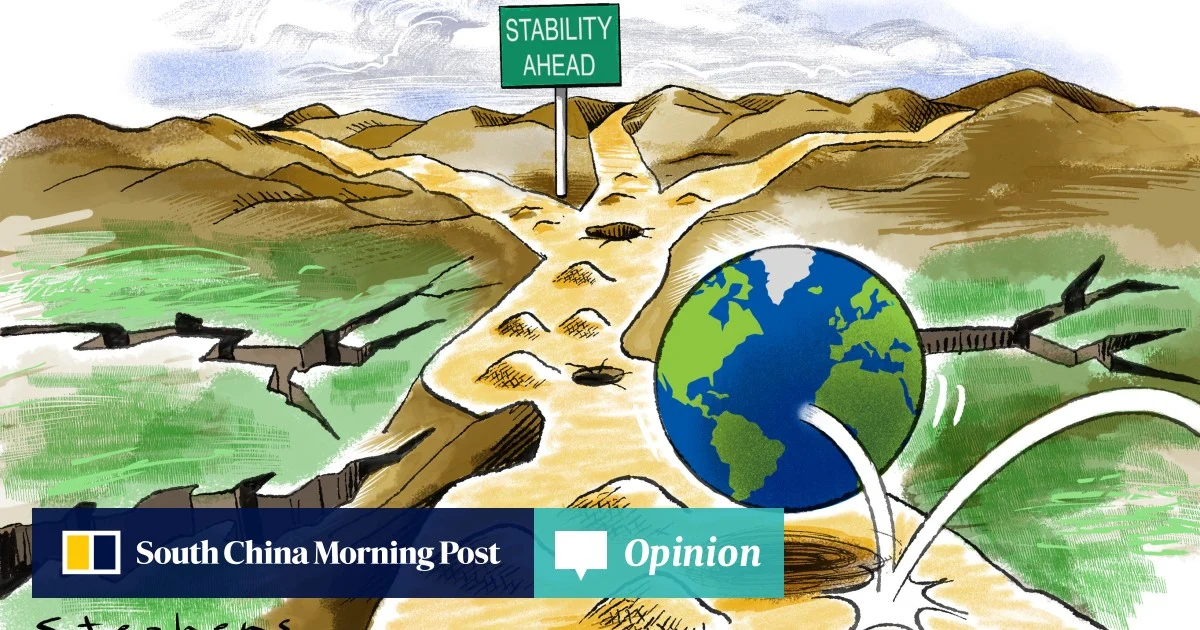
One of the examples used to back up this theory is the Iraq War of 2003 to 2011 following the US-led invasion. Saturday’s visit to Iraq by UN Secretary-General Antonio Guterres marked the end of the 22-year mandate of the UN Assistance Mission for Iraq. Arguably, this is a historic milestone that ends the epoch of “clashes” and allows us to consider the possibilities for peace among civilizations to remake the world order.
The peace agenda was key to the discussions Guterres held with the leaders of three Middle Eastern countries — Saudi Arabia, Oman and Iraq — during visits over the last week. During Guterres’ meeting with Crown Prince Mohammed bin Salman, the two sides discussed “ways to support efforts to enhance global security and stability.” The head of the UN stressed the importance of the organization’s long-standing partnership with the Kingdom and his hosts’ support of multilateralism.