The flu, colds and other respiratory illnesses are often more common throughout the winter. People spend more time indoors together, especially during the holidays, which promotes the spread of illnesses. The cold dry air can also impact our ability to fend off illnesses, according to Johns Hopkins University.
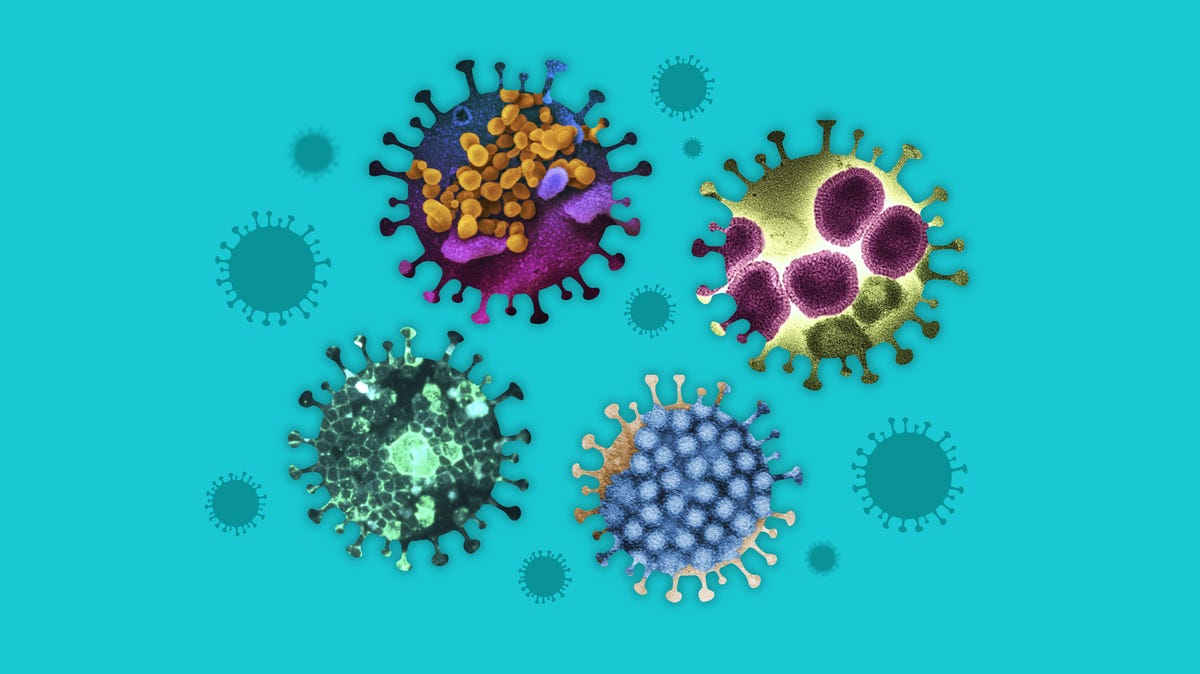
Being proactive is the best way to prevent getting sick. This is especially true during the winter, when COVID-19, influenza, respiratory syncytial virus (RSV), "stomach" viruses like norovirus and common colds become overly active.
Here's a quick reminder of the easy steps you can take to lower your risk of getting an illness and infecting others as the peak flu and cold season draws near.
Flu season is here. How much is the vaccine without insurance?
According to the Centers for Disease Control and Prevention, the combined peak hospitalization rates for influenza, COVID-19 and RSV have been estimated to be within 20% of the previous season's peak and comparable to 2024–2025 levels.