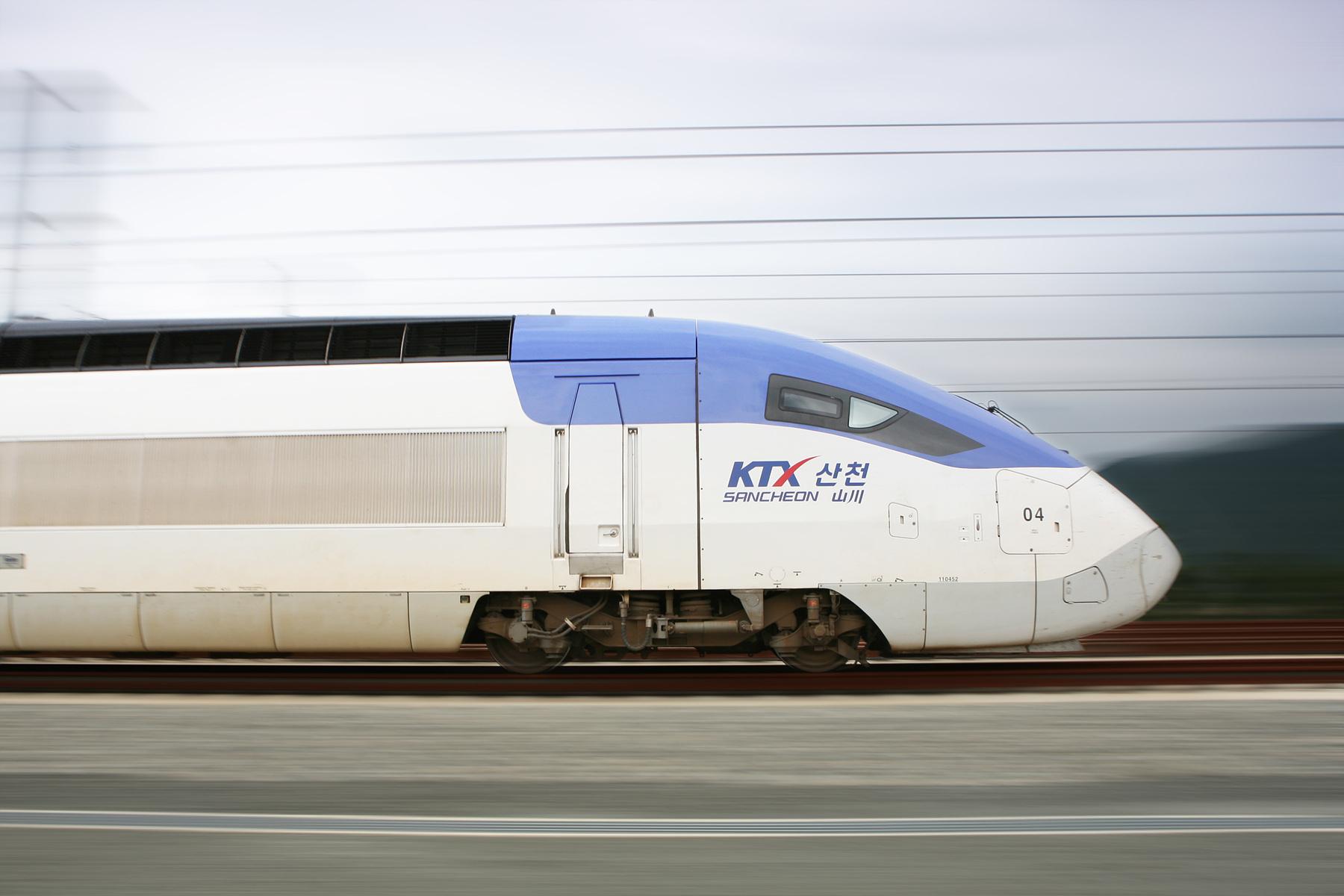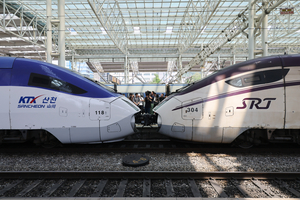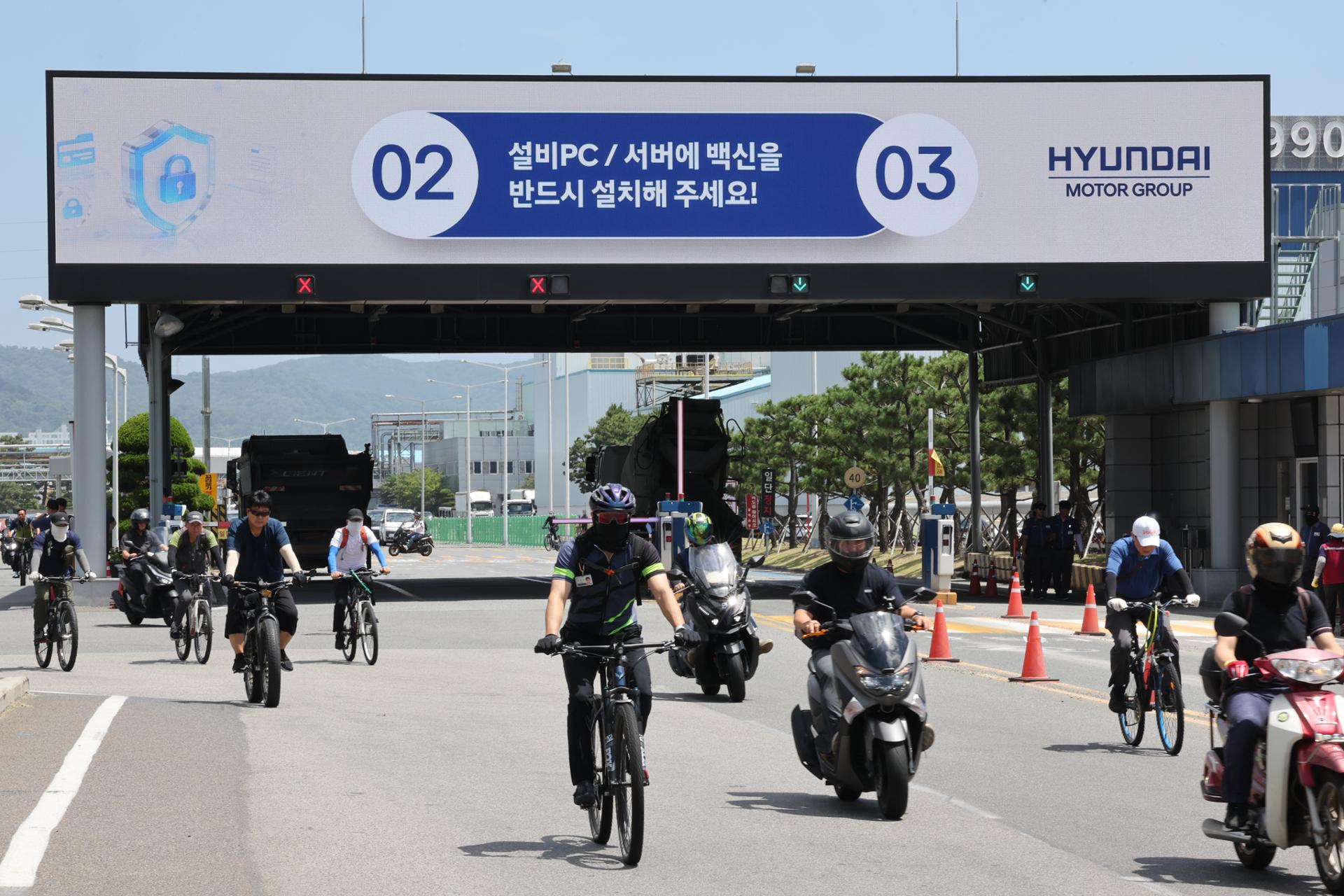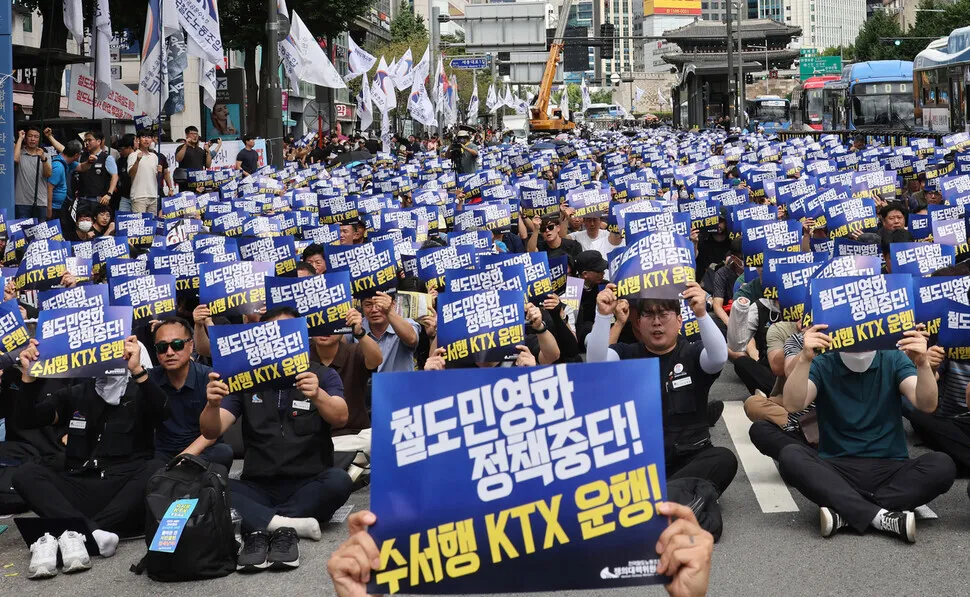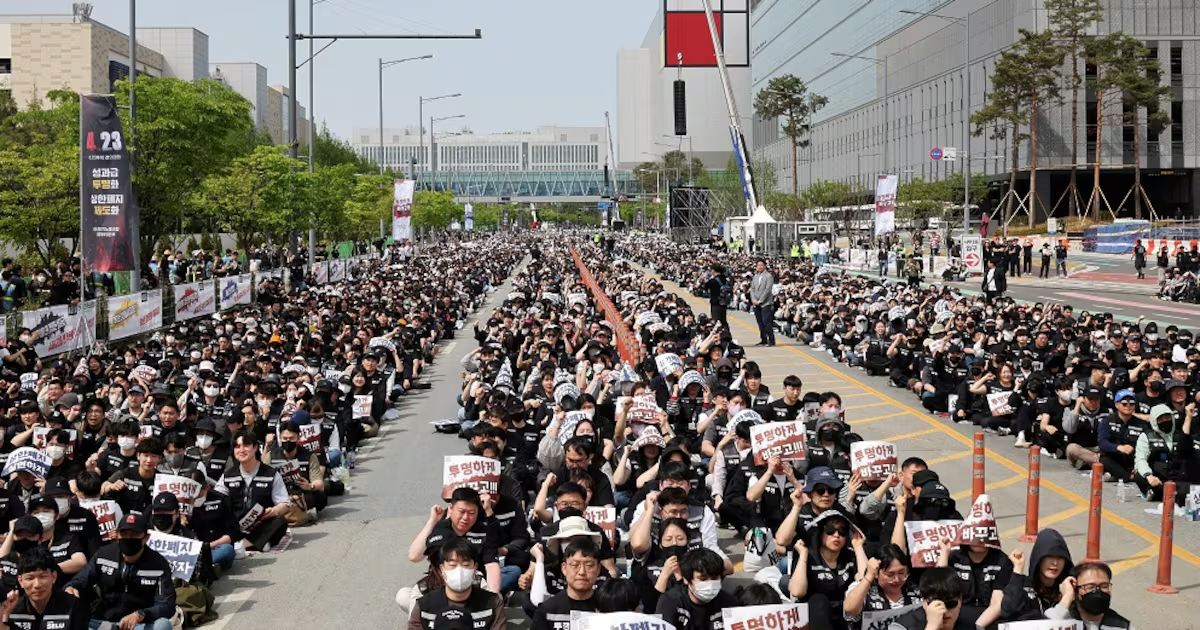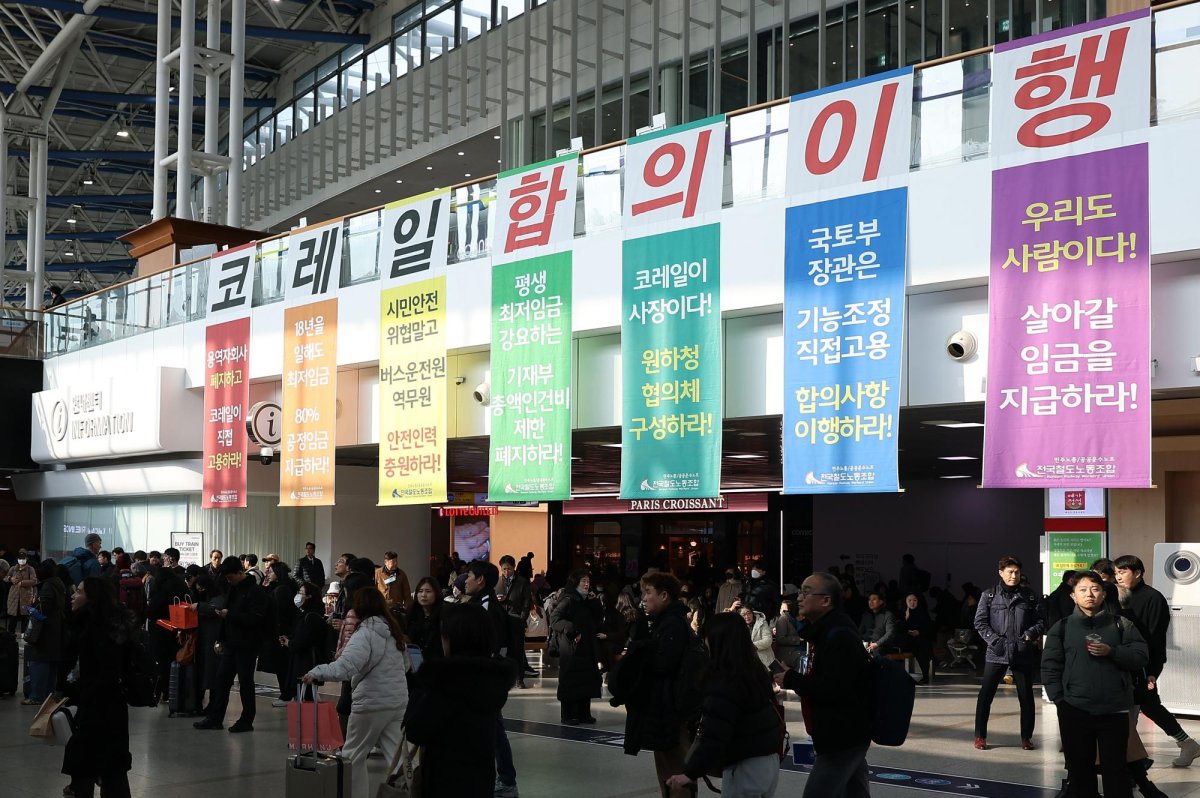
Dec. 15 (Asia Today) -- On Nov. 20, 2019-five days before the Korea-ASEAN Special Summit was set to open-Korail's railway union announced an open-ended strike. The demands were familiar in Korea's public-sector labor battles: more staffing, higher pay and, crucially, a structural change-folding SR, the operator of the SRT high-speed line, into Korail's KTX system.
Yet the strike fizzled after five days.
Part of the explanation was political timing. Few unions relish being blamed for disrupting an international summit. But another reason was simpler and more revealing: SR kept SRT service running normally out of Suseo Station. For passengers, there was an alternative. For the union, there was suddenly less leverage.
That "shock absorber"-competition within high-speed rail-has quietly shaped the last decade of labor politics on the tracks. When Korail labor talks suddenly settled just a day before a planned strike last week, and when a strike and work-to-rule campaign ended after only seven days last December, it was hard to miss the same dynamic: SR offered a bypass. A system with two operators does not eliminate strikes, but it can limit how effectively a strike can hold the public hostage.