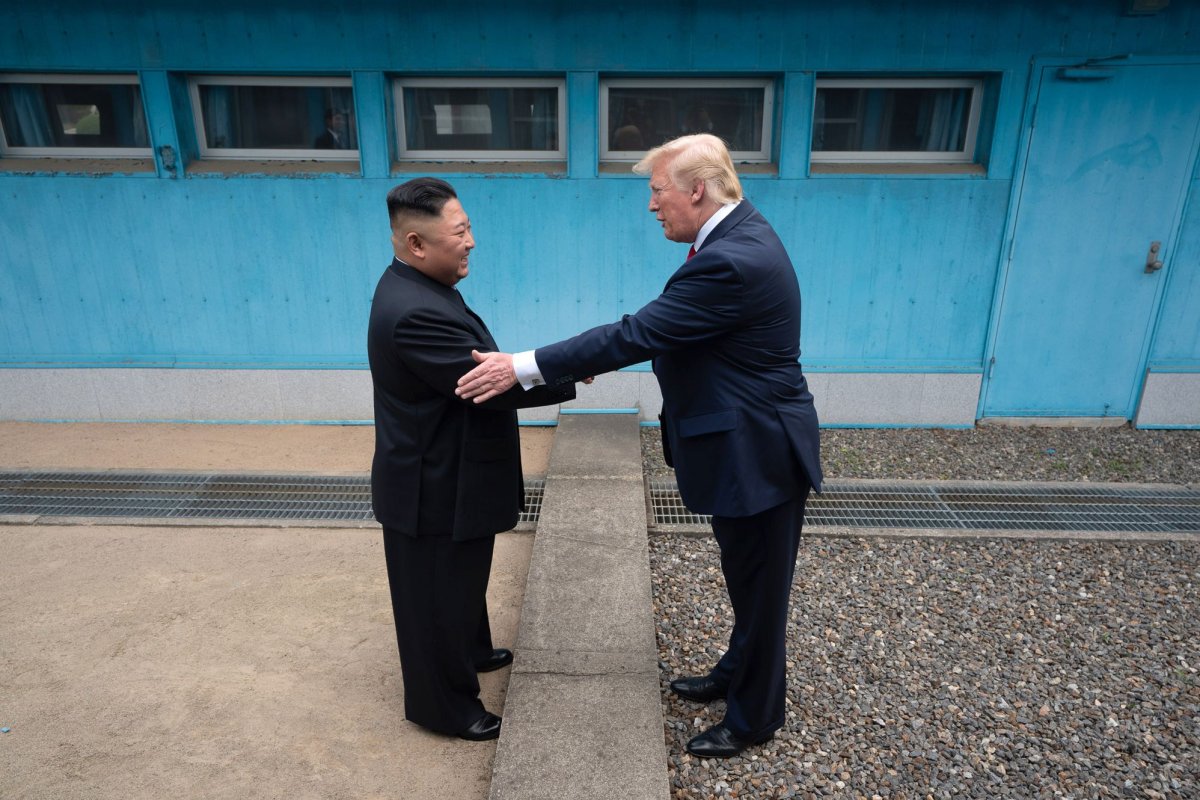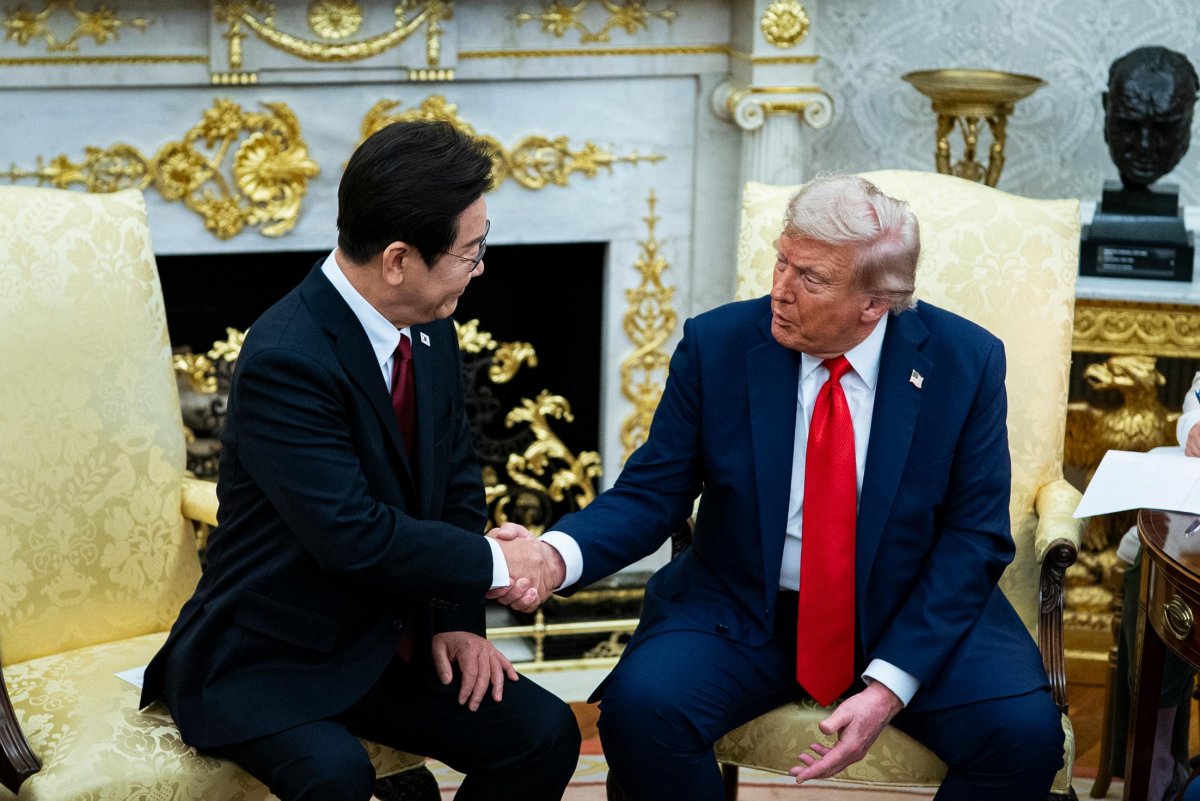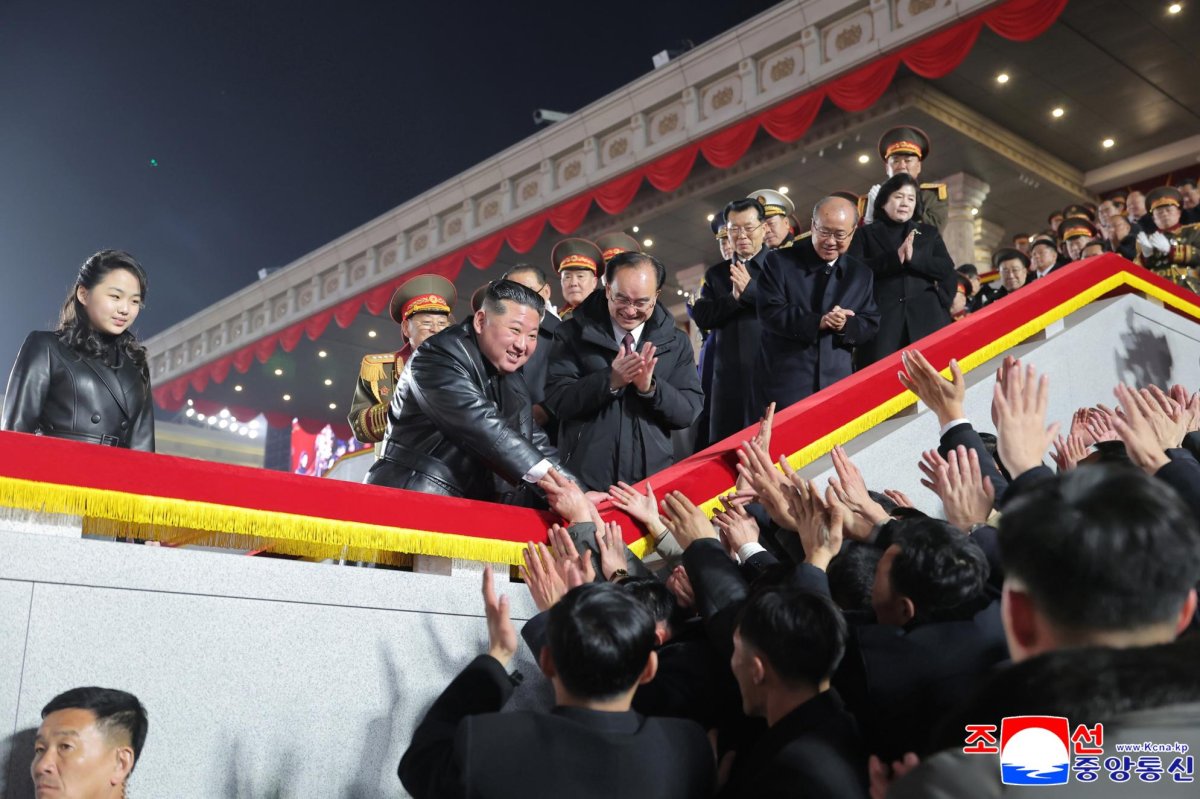
Dec. 15 (Asia Today) -- Prospects for improved relations between North Korea and the United States next year appear slim, and Pyongyang is also unlikely to welcome South Korea's renewed engagement efforts, a senior researcher at the Korea Institute for National Unification said.
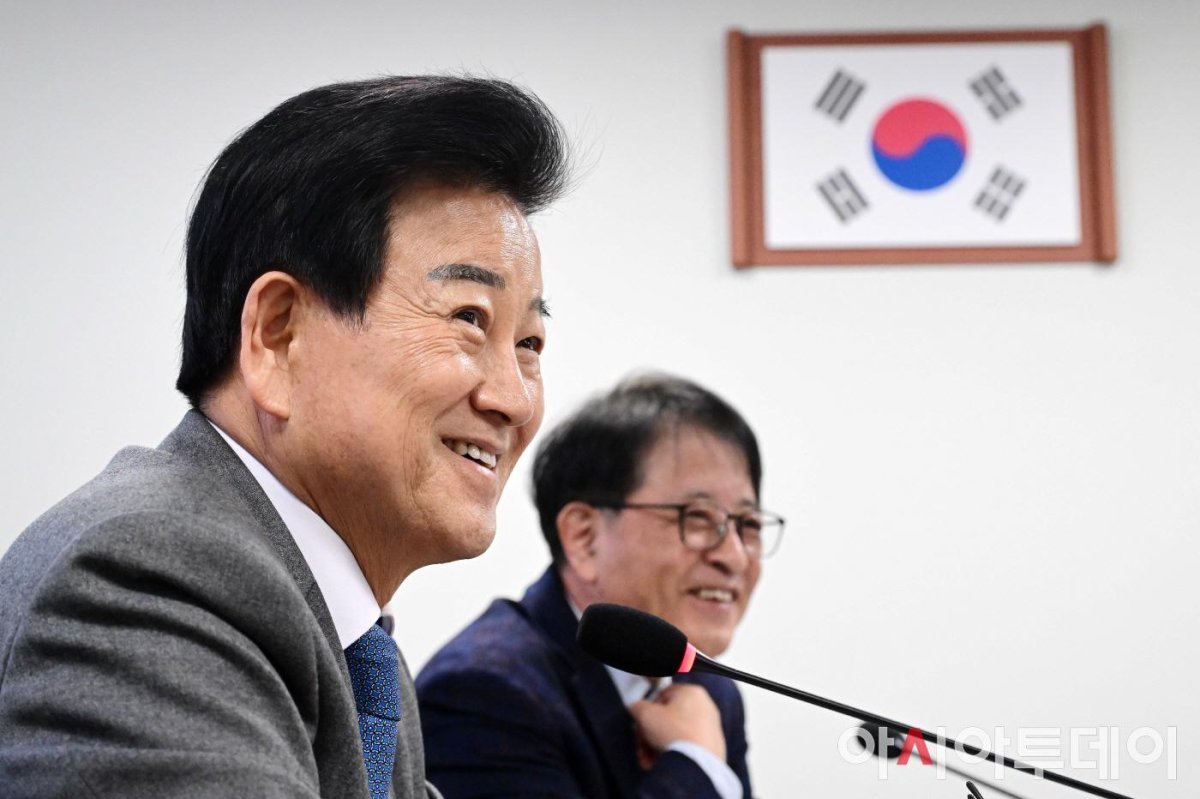
Jeong Seong-yun, a senior research fellow at the government-funded institute, made the assessment in a newly released report titled "Assessment of the North Korean Nuclear Situation and Outlook for 2026."Jeong argued that North Korea gained strategic advantages this year by leveraging its nuclear capabilities and by deepening coordination with China and Russia as regional security tensions persisted.
Jeong said the region's security environment increasingly reflects a polarized structure-South Korea, the United States and Japan on one side, and North Korea, China and Russia on the other-leaving Pyongyang positioned to remain a key variable in Northeast Asia next year.
In the report, Jeong said North Korea is expected to maintain a coercive approach toward Seoul and to resist dialogue initiatives from South Korea, while continuing to prioritize its nuclear program in dealings with both Washington and Seoul.
Related