Crypto wallets are having a moment. The latest example is Kalshi announcing an integration with Phantom to offer event contracts to the wallet’s 15 million users. While the prediction market angle is intriguing (these markets are a HUGE story right now), the news also highlights the light-speed advancements taking place in the wallet realm.
Consider how, just three years ago, the only thing you could do with Phantom was access the Solana blockchain. MetaMask, meanwhile, was limited to Ethereum. Sure, alternatives like Coinbase Wallet offered access to more assets but, like other wallets of the time, it suffered from a ghastly interface that required users to run a gauntlet of sub-nets, confusing gas fees, and more. The experience was miserable for crypto natives. For everyone else, it was nigh impossible.
Then something changed. After years of promises, developers finally succeeded in pushing the clunky technical elements to the background, while adding a host of practical features. The result has been an uptick in useful real-world applications, including Phantom’s Kalshi offering, and also in souped-up new offerings like Coinbase’s rebranded Base as well as Robinhood Wallet.
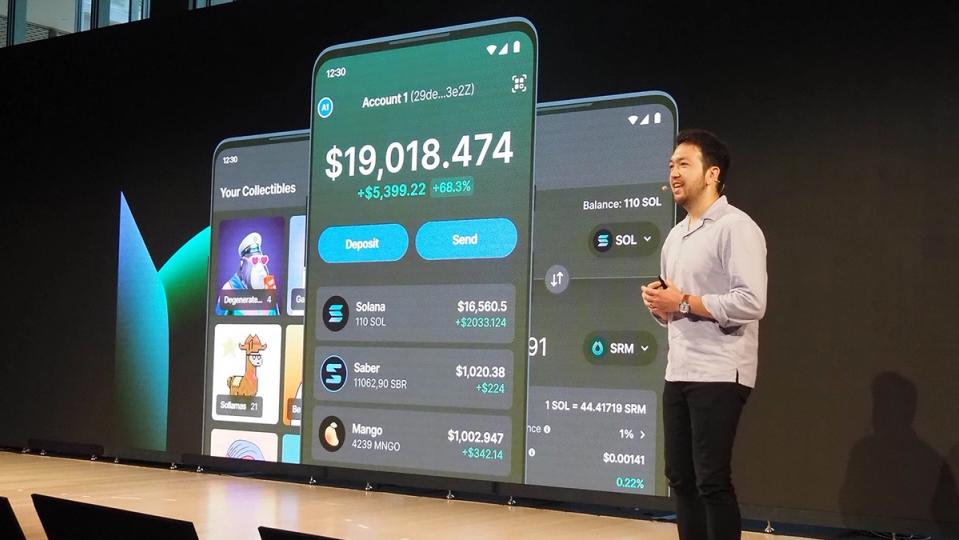
This new generation of wallets offers the best aspects of decentralized crypto by making the customers the ultimate custodians of their assets. At the same time, they offer interfaces that are starting to feel like Venmo or online banking apps—which should be table stakes for any of these products looking to break into the mainstream. The question now is where these wallets will fit in day-to-day life. Will they become the successor to web browsers, as Coinbase CEO Brian Armstrong and others have predicted, or will they be something else entirely?