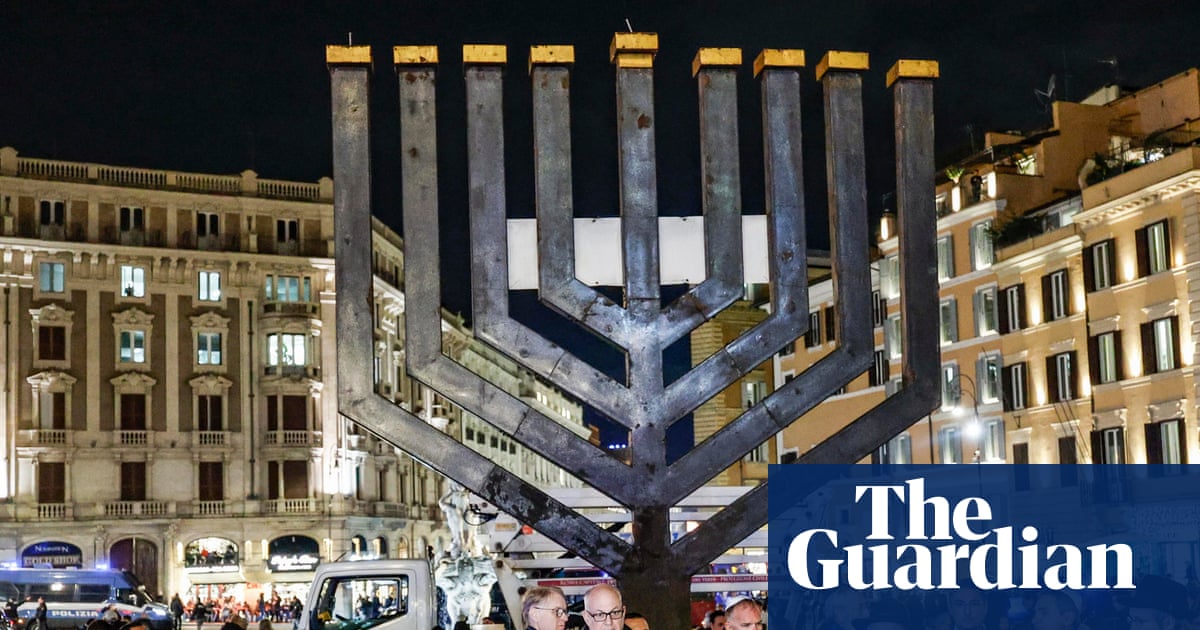
Attack that killed at least 15 people interrupted the lighting of a menorah arranged by the Hassidic Jewish group
Bondi terror attack: full report
What we know so far about the Bondi terror attack
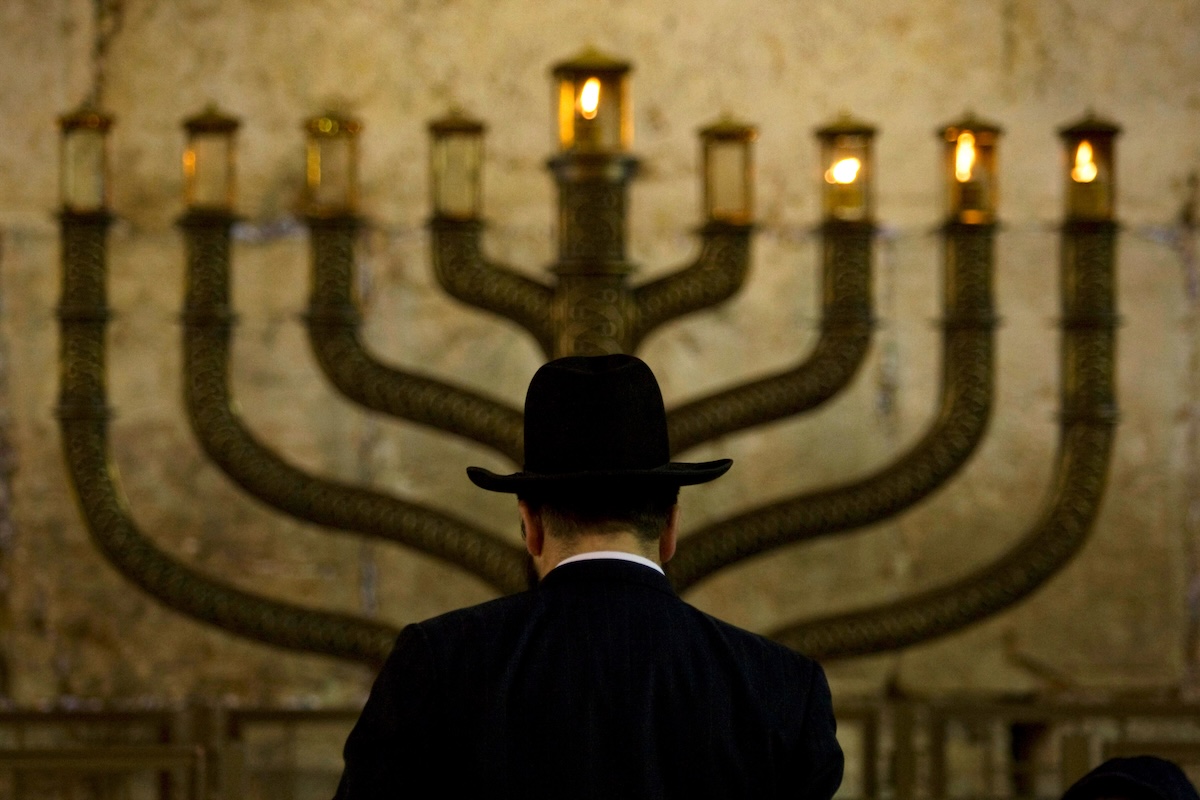
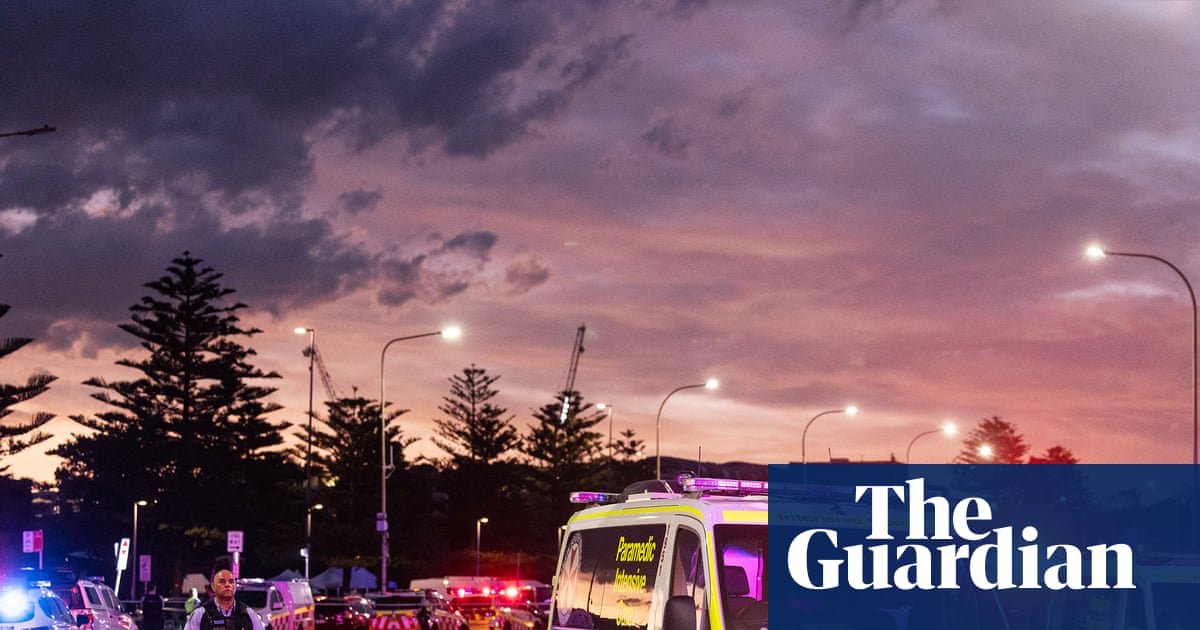
The attack on Sydney’s Bondi beach that killed at least 15 people brutally interrupted one of the first of 15,000 public lightings around the world of a menorah, a multi-branched candelabrum central to Judaism, to mark the start of the eight-day Hanukah festival. The annual global lightings are organised by the Chabad-Lubavitch movement, a branch of Orthodox Hassidic Judaism whose visibility as a vibrant, open and outgoing community appears to have made it a target for hate.
The website for the “Chabad of Bondi” simply states: “Where everyone feels at home”. It is a global organisation that aims to strengthen Jewish life by providing religious, educational, social and cultural services but it has roots in the 18th century in a Russian town called Lubavitch. The word “Chabad” is a Hebrew acronym for its three pillars: chochmah (wisdom), binah (comprehension) and da’at (knowledge). The philosophy of the movement is based on the teachings of its seven leaders, known as rebbes, on “Jewish mysticism”, a tradition that seeks a deeper understanding of God through meditation, textual study and contemplation. Its members were persecuted under the Soviet Union and the community was nearly entirely wiped out in the Holocaust. They rebuilt out of New York. Today the movement has about 6,000 “emissaries” across the world who represent it, and 3,500 “Chabad houses”, which act as synagogues and community centres. It is deeply traditional in some respects, with male followers tending to wear the black-and-white clothing of ultra-Orthodox Jews, and women generally covering their natural hair with scarves or wigs, but it is also known as non-judgmental and open to Jews of all backgrounds, with a focus on an individual’s inherent goodness, rather than their level of observance.