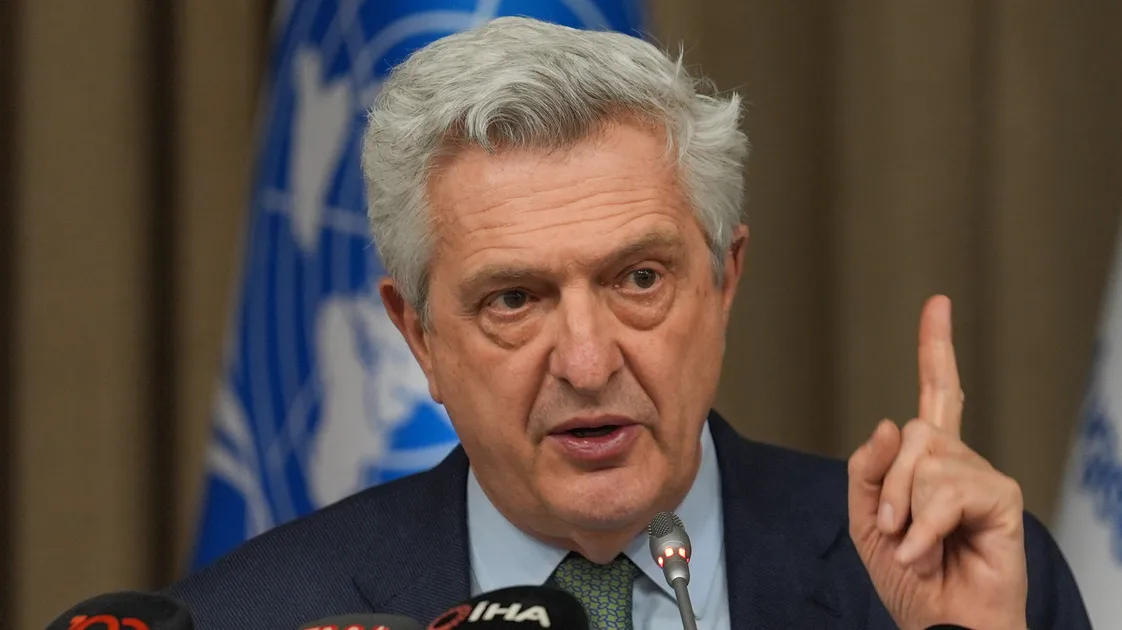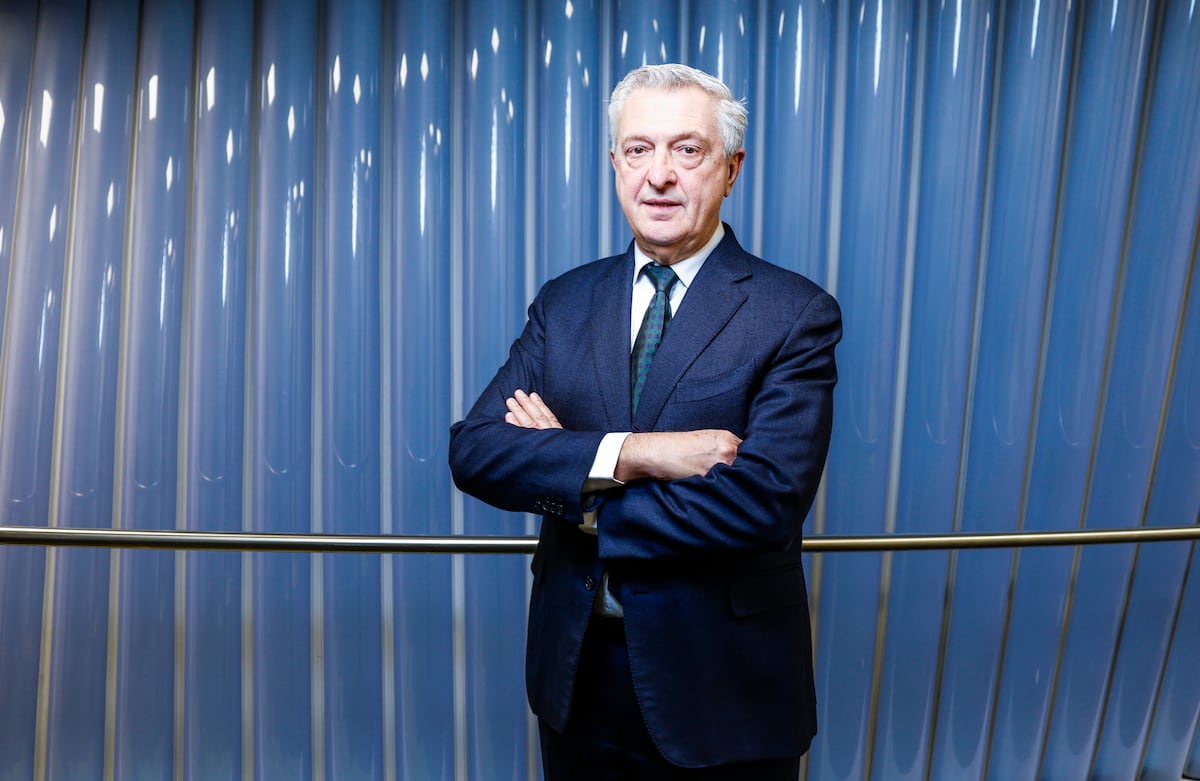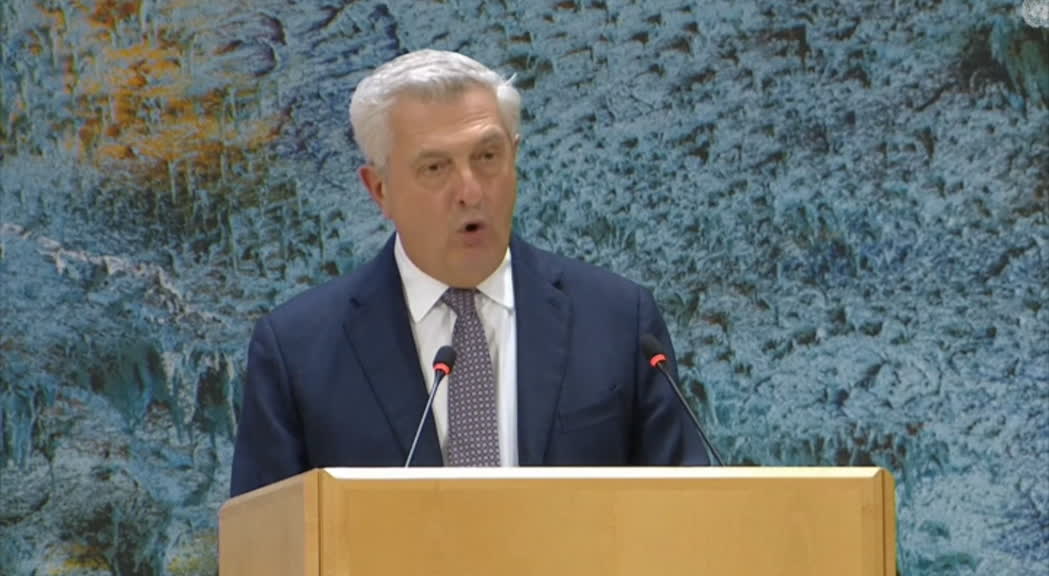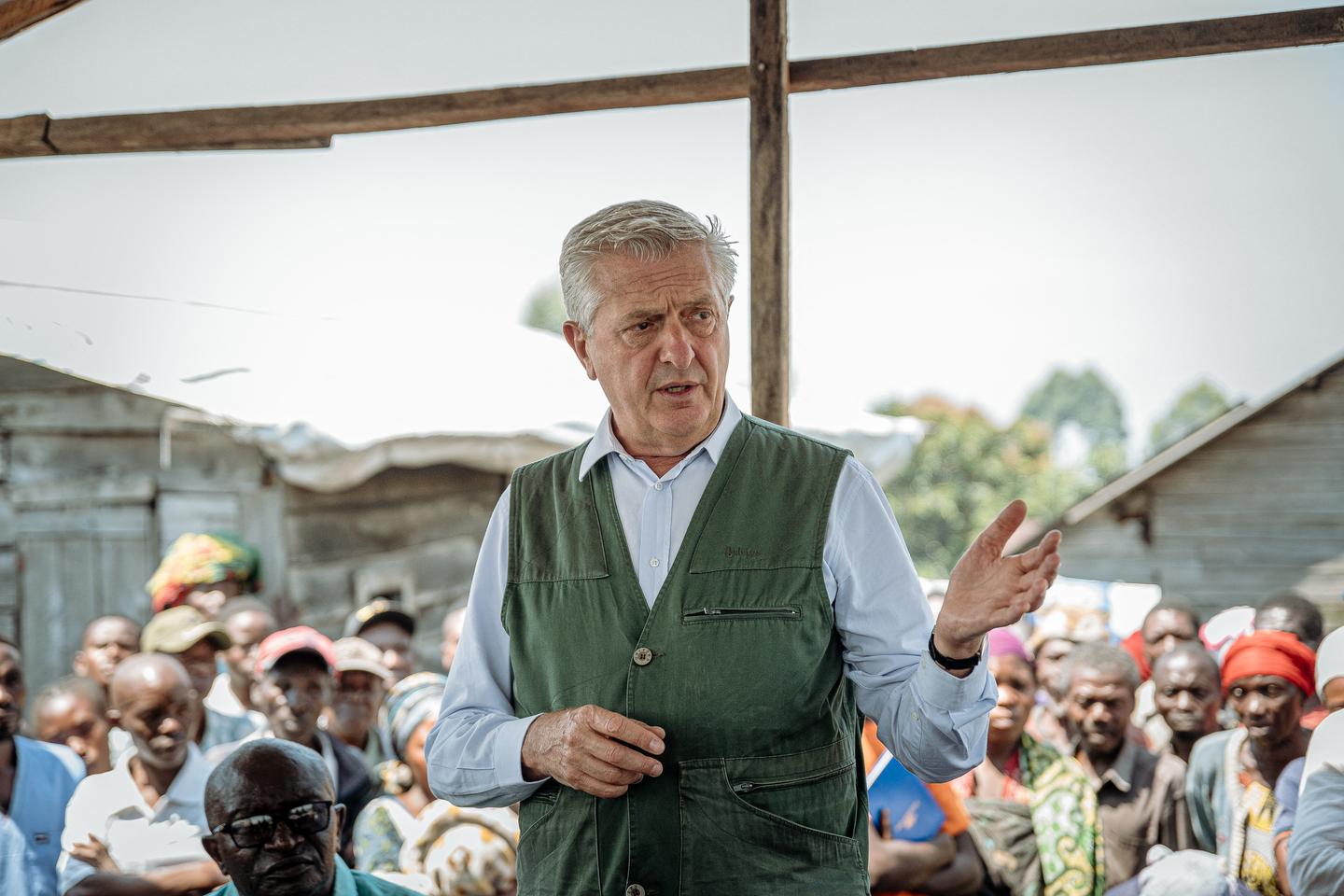
Filippo Grandi, United Nations High Commissioner for Refugees, in Sake, eastern Democratic Republic of the Congo (DRC), August 29, 2025. JOSPIN MWISHA / AFP
Over the past decade, the number of people displaced by war, violence and persecution worldwide has nearly doubled, now reaching 117 million. Filippo Grandi, the outgoing United Nations high commissioner for refugees, warns of a growing challenge to the right to asylum, which he sees as a legacy of the "refugee crisis" that affected Europe in 2015.
You are leaving the UNHCR after a decade that saw Europe shaken by what has been called the "refugee crisis." What is the legacy of that period?
Your question already reflects a particular perspective on the issue. When I took office in 2016, Syria was the largest humanitarian crisis. The exodus of Syrians was due to declining humanitarian funding in the country and also to the prospect of Bashar al-Assad remaining in power. At the time, everyone talked about the refugee crisis as if it were the first and the last. In reality, the majority of displacement occurs in the Global South. Over the past ten years, there have been coups and terrorist offensives in the Sahel, a civil war in Tigray, Ethiopia, a civil war in Myanmar that forced one million Rohingyas to flee to Bangladesh, the return of the Taliban to power in Afghanistan in 2021, ongoing crises such as in the Congo, the collapse of Venezuela, and of course the atrocity of the war in Gaza, which has caused tens of thousands of deaths and displaced many within what has become an open-air prison. The five million Ukrainian refugees in 2022 reminded Europe that it was not immune. Yet, for the most part, refugees go to countries neighboring their own so they can one day return home. We have lost sight of that fact.