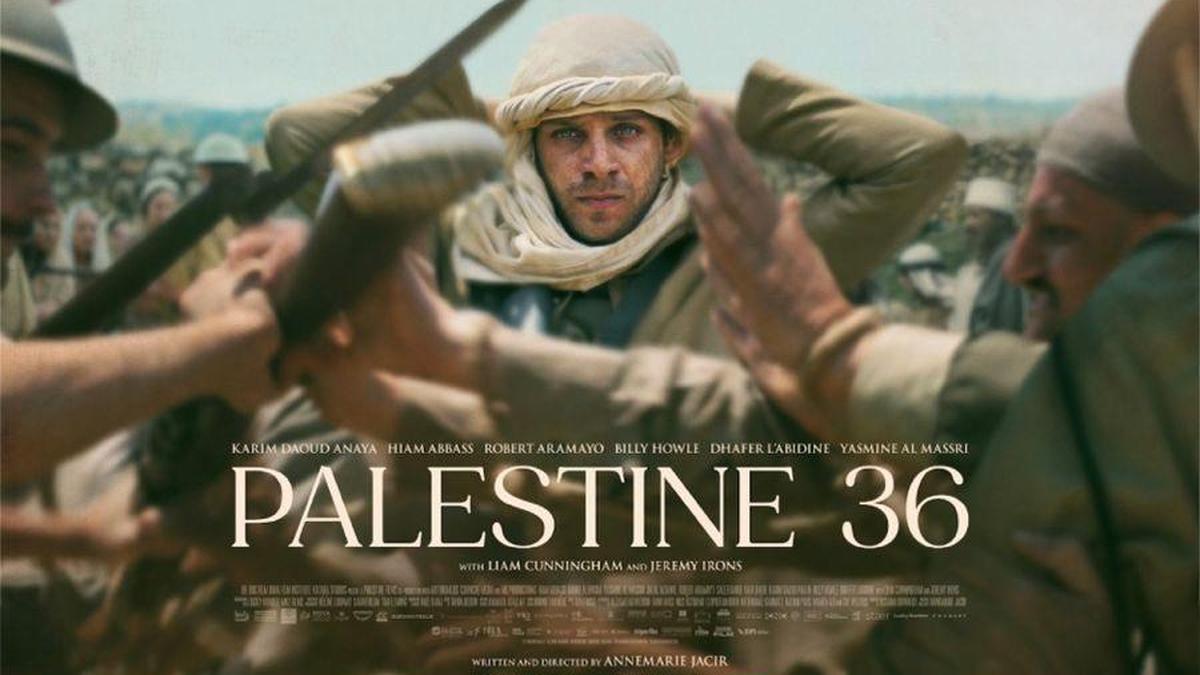
Palestine 36, as the name signifies, is set in 1936, but almost every other sequence makes our minds travel to the present. It is not just because the contemporary conflicts in that land are rooted in the past century, but also due to the stark similarity of the indignities heaped upon the Palestinian people back then to the present. Palestine 36, the opening film of the 30th International Film Festival of Kerala, is being screened as part of a package of Palestinian films touching upon the ongoing conflicts.
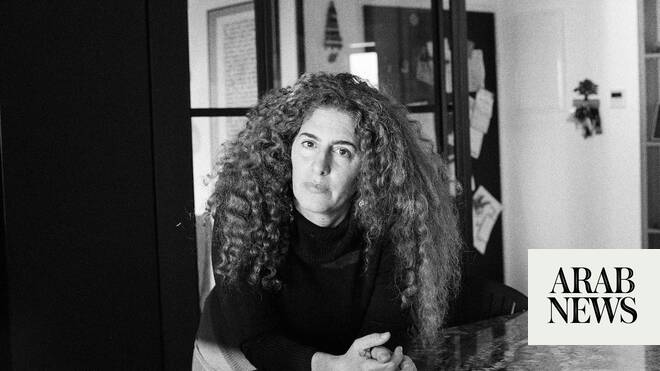
The film is directed by Annemarie Jacir, whose Wajib won the Suvarna Chakoram at the IFFK in 2017. While Wajib told the story of the fragile relationship between an estranged father and son to subtly paint a compelling portrait of contemporary Palestinian society, Palestine 36 is set around the building up of a rebellion of the indigenous Palestinian people in 1936 against British imperialism and the Zionist takeover of large tracts of land that have belonged to Palestinians. Interspersed with grainy, archival-like footage of Israeli settlers arriving at Palestine are the sequences of happenings at the micro-level.
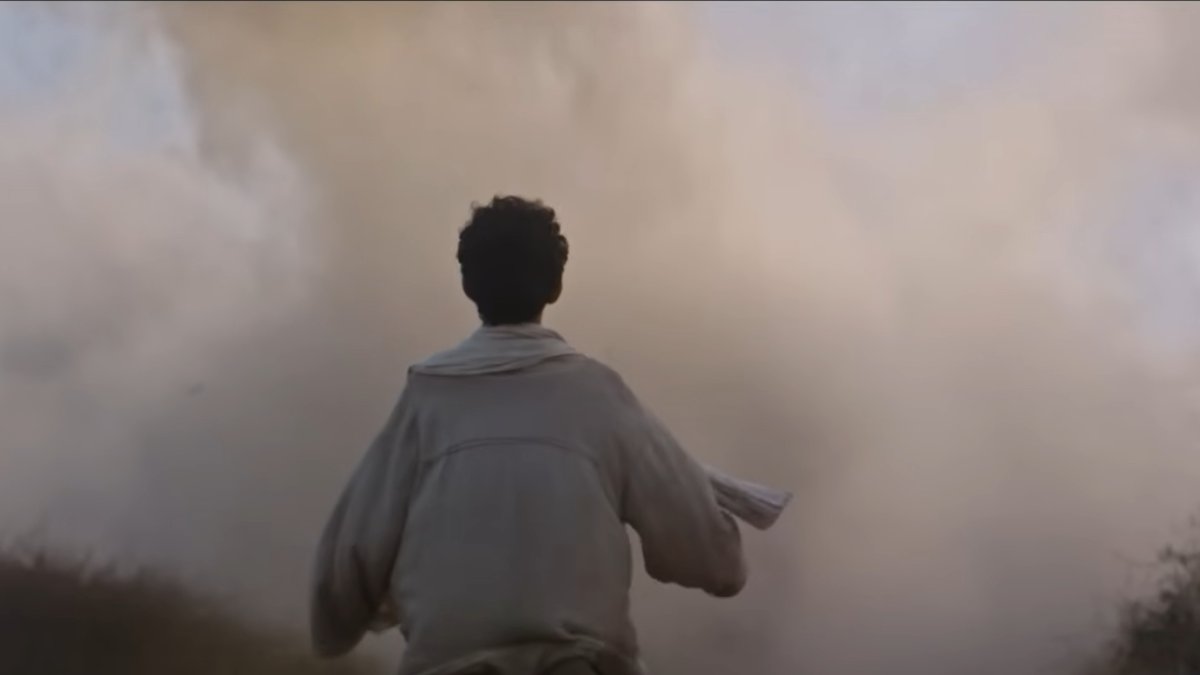
In one telling passage, the filmmaker focuses extensively on a raid of British forces on a village, whose inhabitants have been questioning the expansion of settlers into their farmlands, a raid marked by acts of cruelty. The film does not paint all Palestinians as concerned about resisting the imperialists. Among them are those who are passive and minding their own business, as well as the elites who are not averse to collaborating with the Zionists.