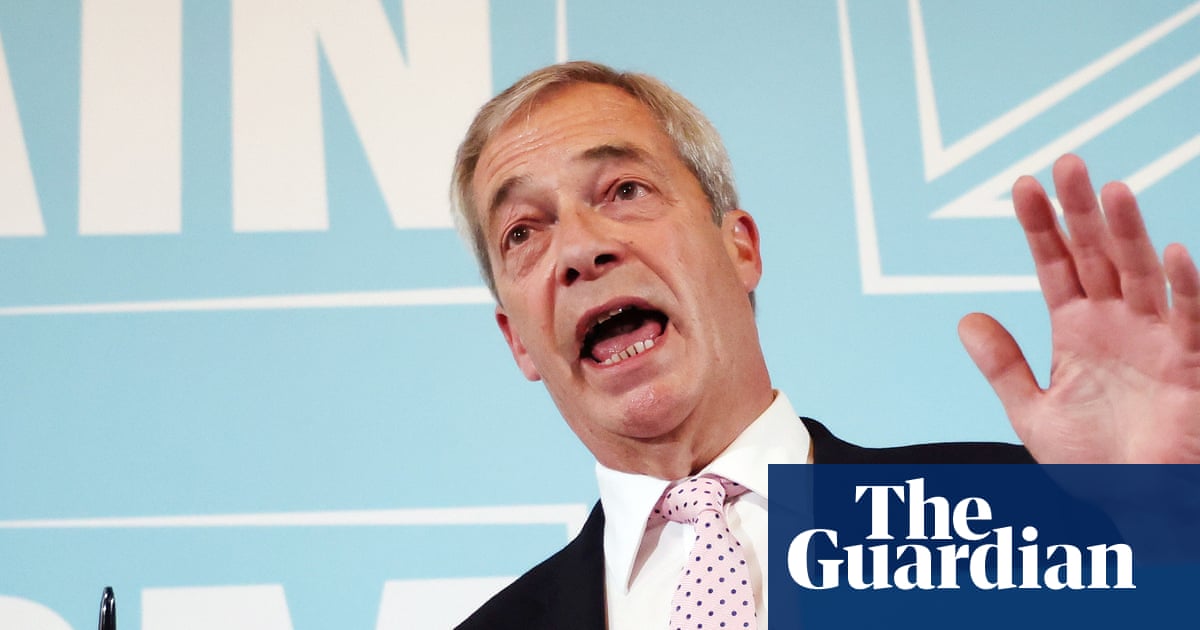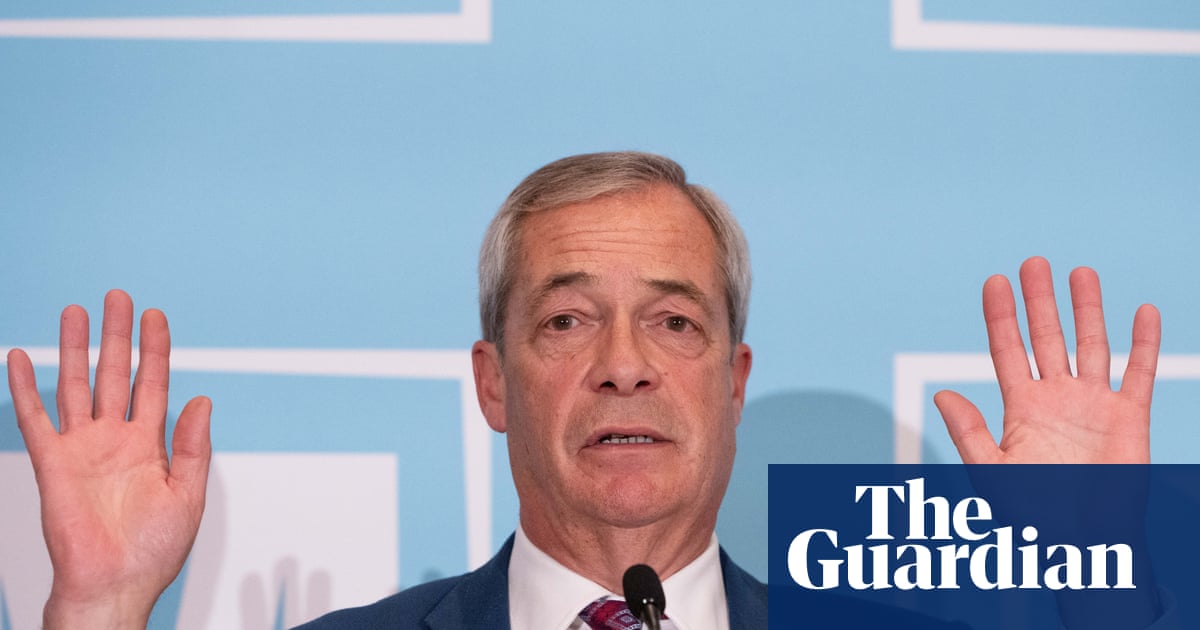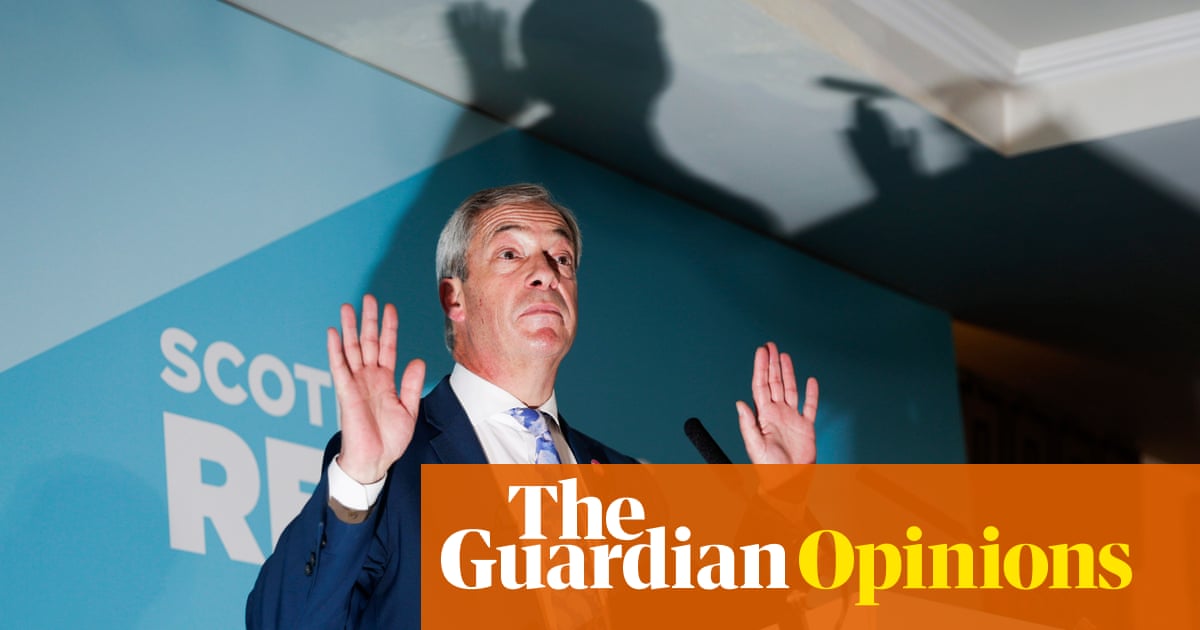
The Reform leader bit back over allegations of racial abuse and revealed his strategy: the best form of defence is dragging everyone else into the mire
A
s the allegations of Nigel Farage’s racist and antisemitic school bullying multiplied, it was hard to keep up with his shifting array of responses. At times, in his evasiveness and discomfort, he has looked like that most un-Farage of things: a nervous politician, anxious not to say the wrong word.
Last week, however, he angrily returned to his preferred posture: brimming with indignation at the moral hypocrisy of elites. He lashed out at the BBC’s “double standards” for indulging the allegations, when the broadcaster itself showed racist jokes and skits back in those days. Farage announced it was not he who should apologise, but apparently the BBC that should say sorry “for virtually everything you did throughout the 1970s and 1980s”.
This was undoubtedly Farage’s most Trumpian moment yet, and the reaction from many commentators on the left and centre was shock and ridicule. His dismissal of the many credible allegations was unsettling; his reference to a “lower grade” BBC journalist was nasty; he appeared thin-skinned, incoherent, almost deranged; everyone seemed to agree that Farage should have simply said sorry and sought to move on. But in this understandable distaste, it was also possible to detect a certain complacency: a belief that Farage had overstepped the mark and would suffer the consequences, that any behaviour deemed “Trumpian” was a losing strategy. Farage has every reason to believe that such assumptions are false.