The U.S. Olympic men’s and women’s sprinting teams have won more gold medals than any other country in history, but the men’s 4×100-meter relay team has suffered four blistering defeats in the past two decades. Why? An absolute whiff at the critical point when a runner has to instinctively reach back and trust their squadmate enough to perfectly place the baton in their hand.
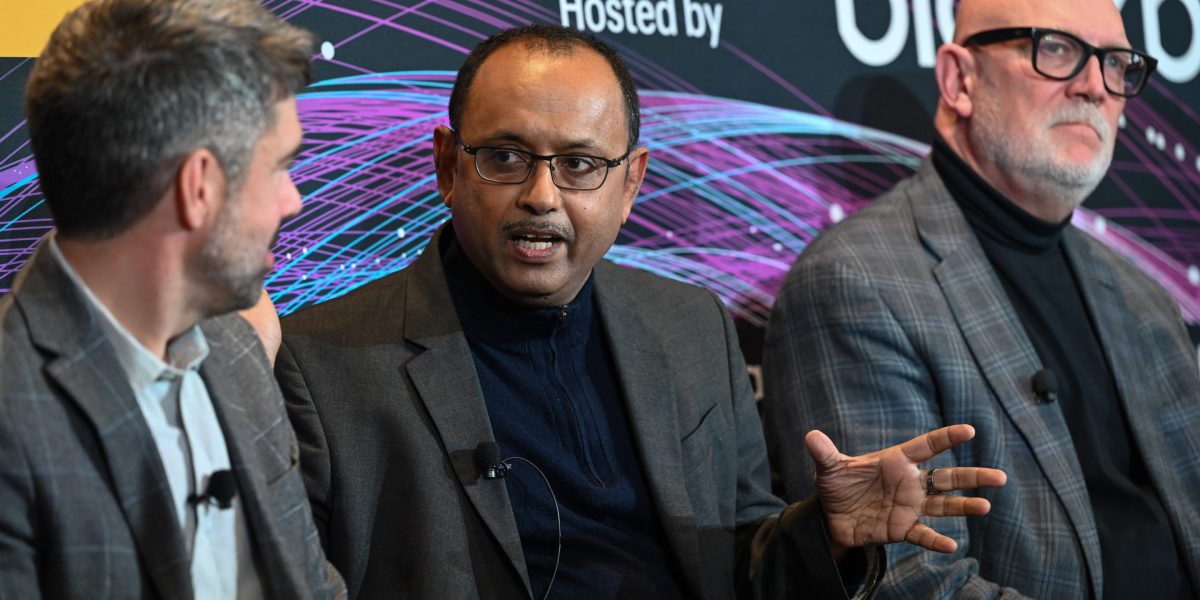
Sudip Datta, chief product officer at AI-powered software firm Blackbaud, said that image captures exactly what’s taking place in AI today. Companies are advancing swiftly to build the fastest and most powerful systems they can, but there’s a severe lack of trust between the technology and the people using it, causing any new innovation or efficiencies to completely fumble at the handoff.
“How many times did the U.S. have the fastest athletes, but ended up losing the 4×100 relay?” Datta asked an expert roundtable audience at Fortune’s Brainstorm AI event in San Francisco this week. “Because the trust was not there, where the runner would blindly take it from someone who is passing the baton.”
Datta said the reflexive reach backward on faith alone is what will separate the winners from the losers in AI adoption. And a major challenge looming in building trust is that a lot of companies today treat trust-building as a compliance burden that slows everything down. The opposite is true, he told the Brainstorm AI audience.