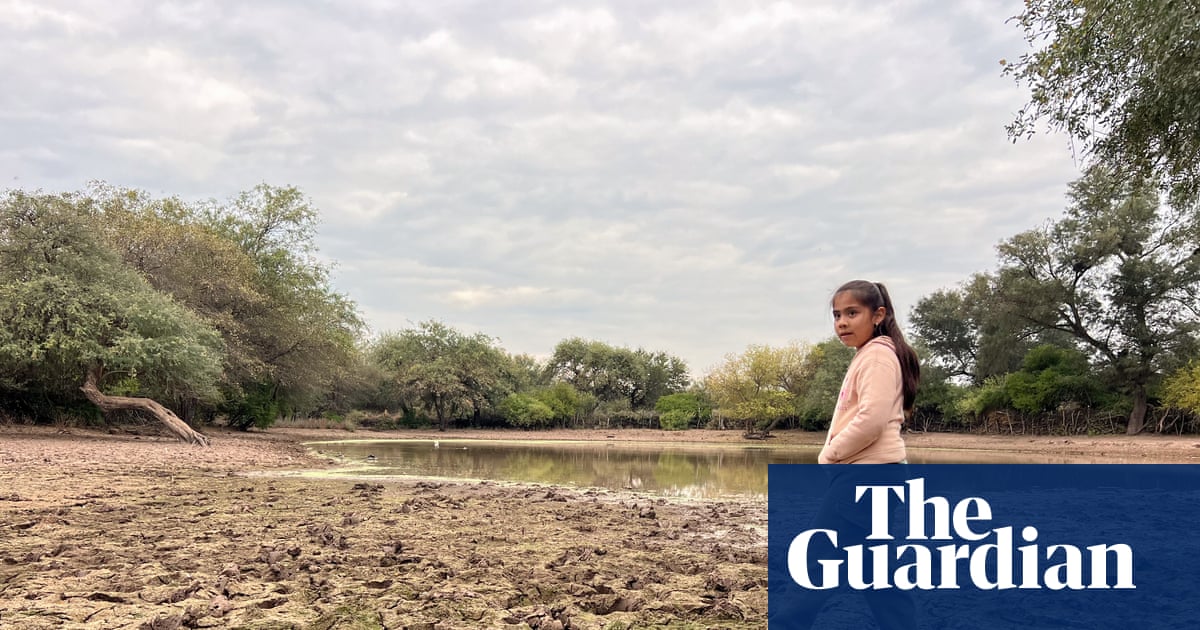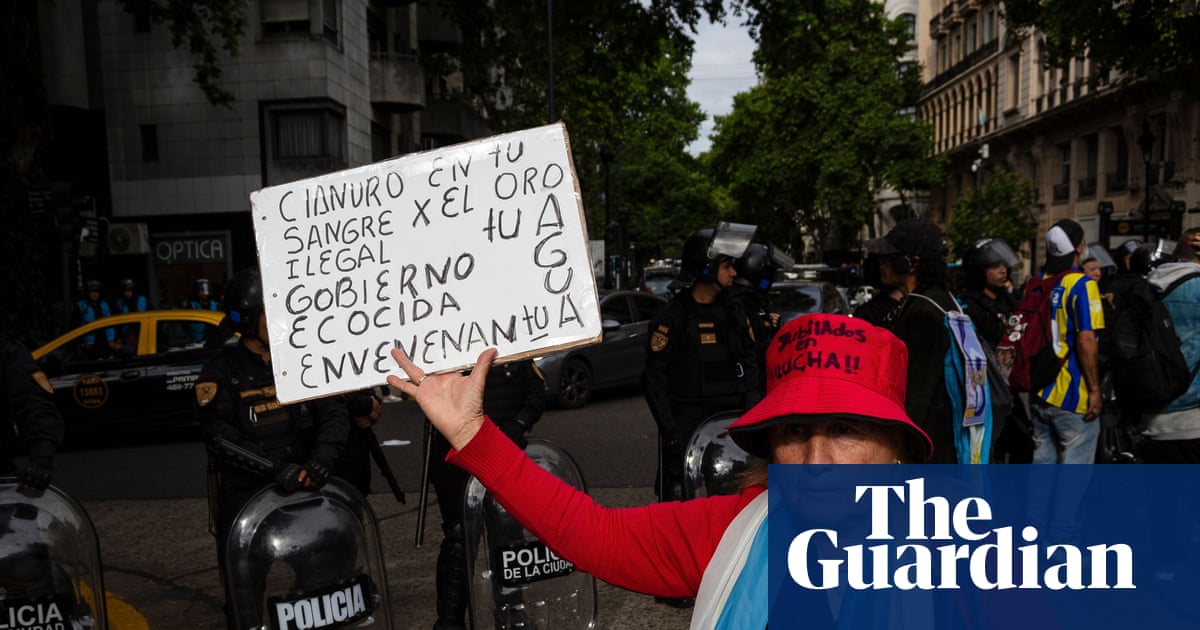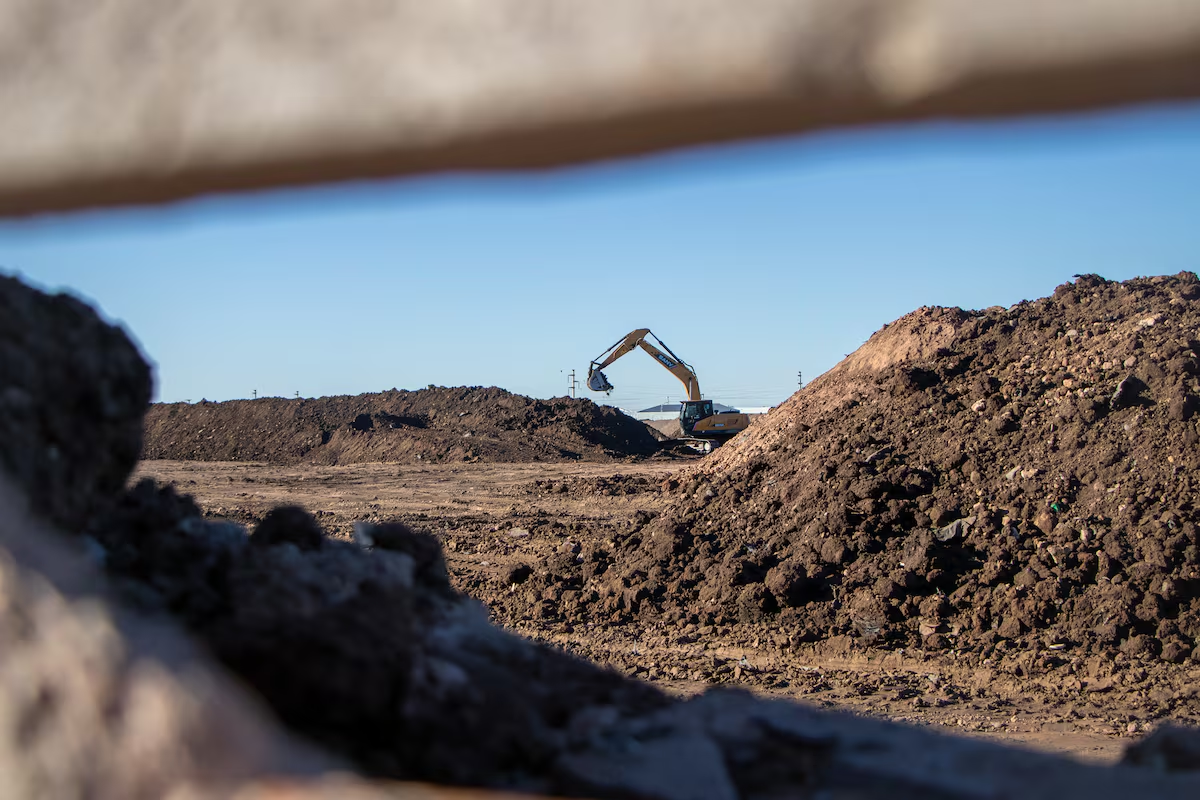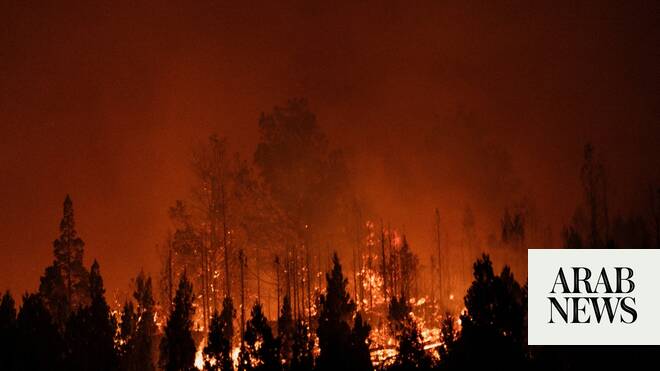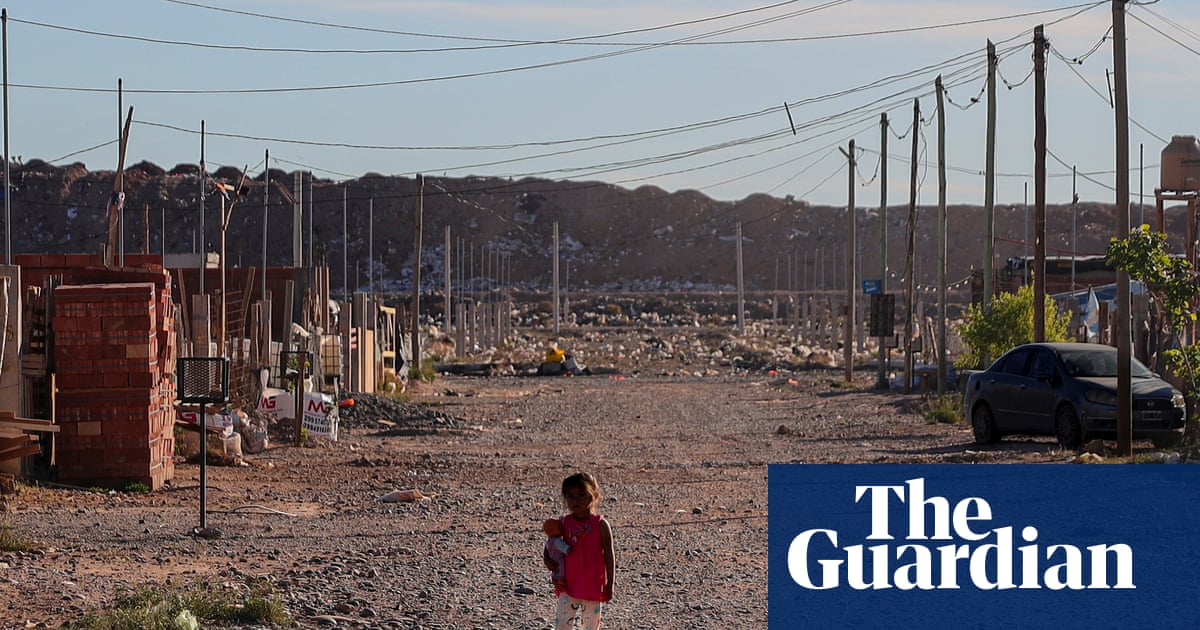
In sprawling landfills, thousands of Argentinian families scavenge for survival amid toxic waste and government neglect, dreaming of steady jobs and escape
T
he sun rises over the plateau of Neuquén’s open-air rubbish tip. Maia, nine, and her brothers, aged 11 and seven, huddle by a campfire. Their mother, Gisel, rummages through bags that smell of rotten fruit and meat.
Situated at the northern end of Argentinian Patagonia, 100km (60 miles) from Vaca Muerta – one of the world’s largest fossil gas reserves – children here roam amid twisted metal, glass and rubbish spread over five hectares (12 acres). The horizon is waste.
“Mum, can I cachurear?” Maia asks, using the local slang term for searching out cans, wires or sellable items. She grabs sticks to open bags, looking for toys, false nails, or items to sell. She is saving to buy her mother a gift. Her brothers sit by the fire; the youngest sleepy, the eldest angry.