ByWilliam P. Barrett,
Senior Contributor.
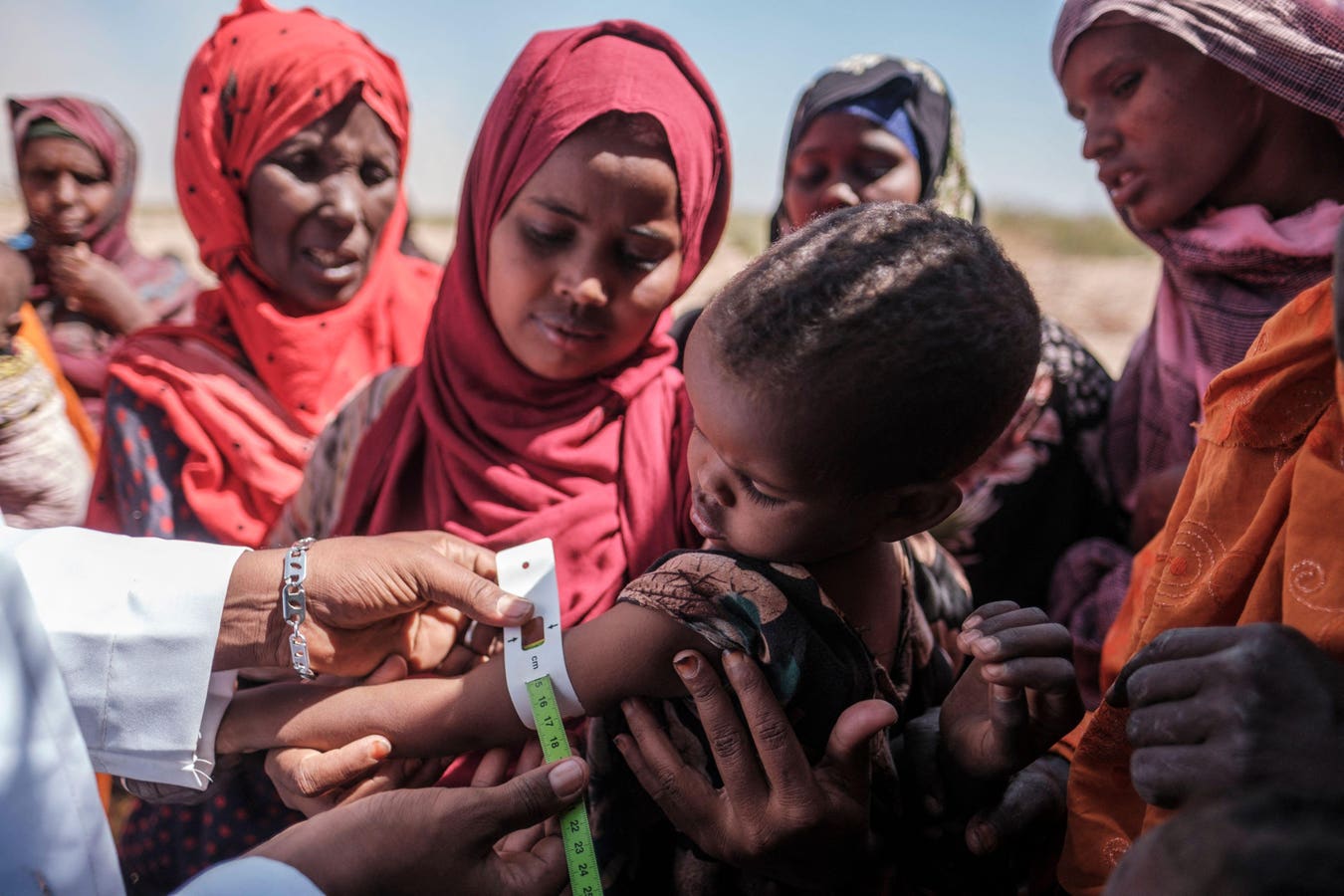
Earlier this year, Save The Children Federation, the nearly-century-old Fairfield, Conn.-based charity whose name describes its worldwide humanitarian focus, saw about half of last year’s nearly $500 million in annual U.S. Government funding evaporate. Meanwhile, New York-based International Rescue Committee (IRC), lost $400 million in U.S. funds. Originally formed to help refugees from Nazi Germany, the IRC had grown to serve the displaced around the world. “It’s a really tough time,” says Madlin Sadler, chief operating officer of the IRC, which has laid off a third of its 18,000 foreign workers and pulled out of one country, Tanzania, with plans to leave four more due to federal funding cuts. In March, IRC ran a full-page ad in the Sunday New York Times (paid for by a private donor) beseeching other private givers to “meet the moment.”
There’s no denying that’s it’s been a hard time for some of the nation’s top charities. Save The Children (STC) and IRC were sent reeling by the dramatic leveling of foreign humanitarian aid by the Trump Administration, with Elon Musk and his Department of Government Efficiency (DOGE) wielding the ax. But domestic-focused charities have also had to scramble to adjust to less drastic cuts to the Federal Emergency Management Agency and support for food banks at home.