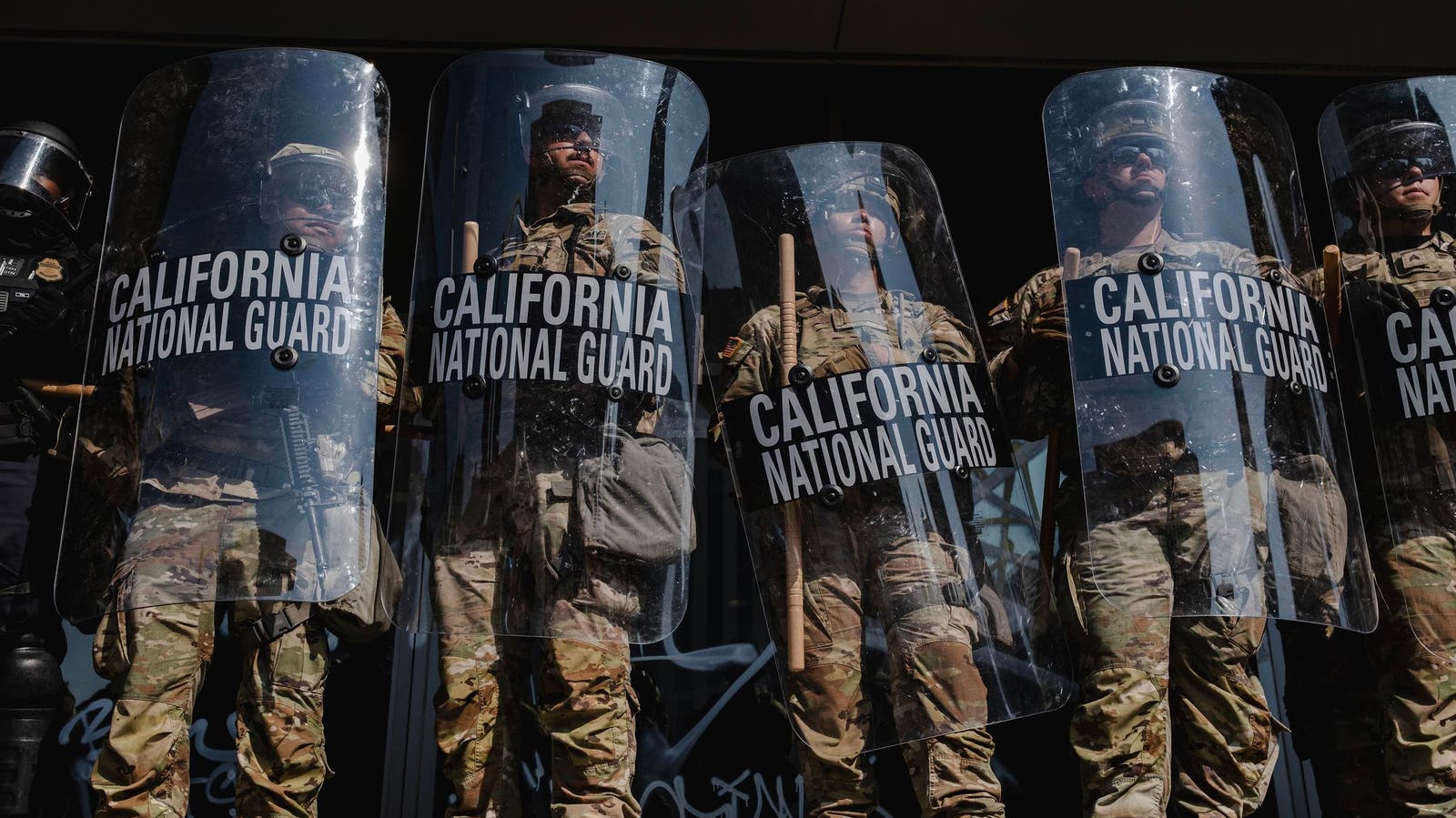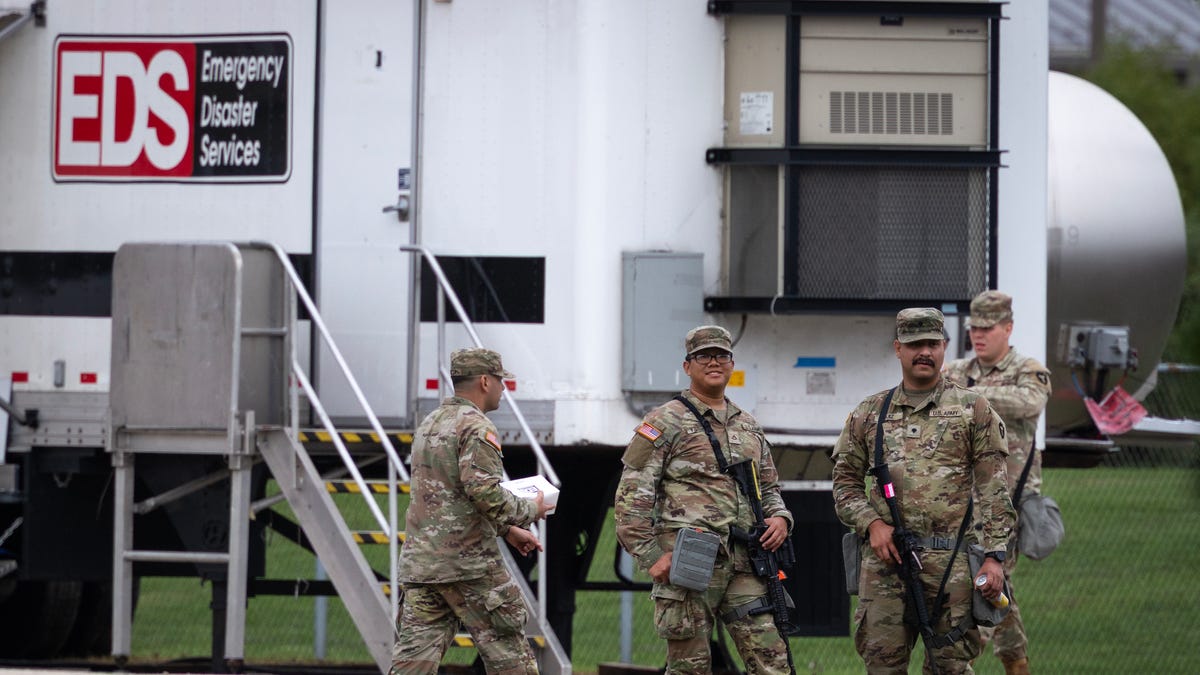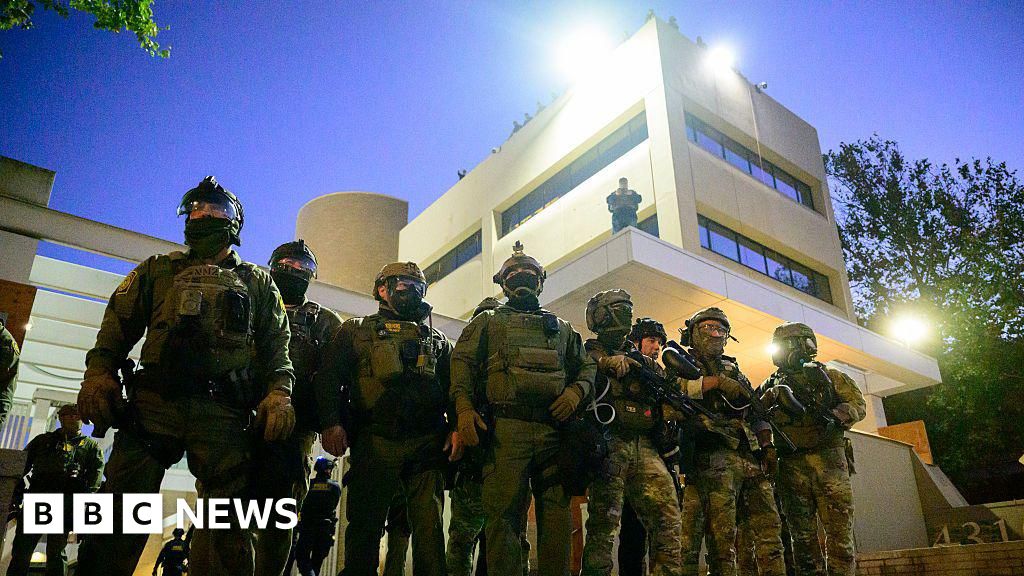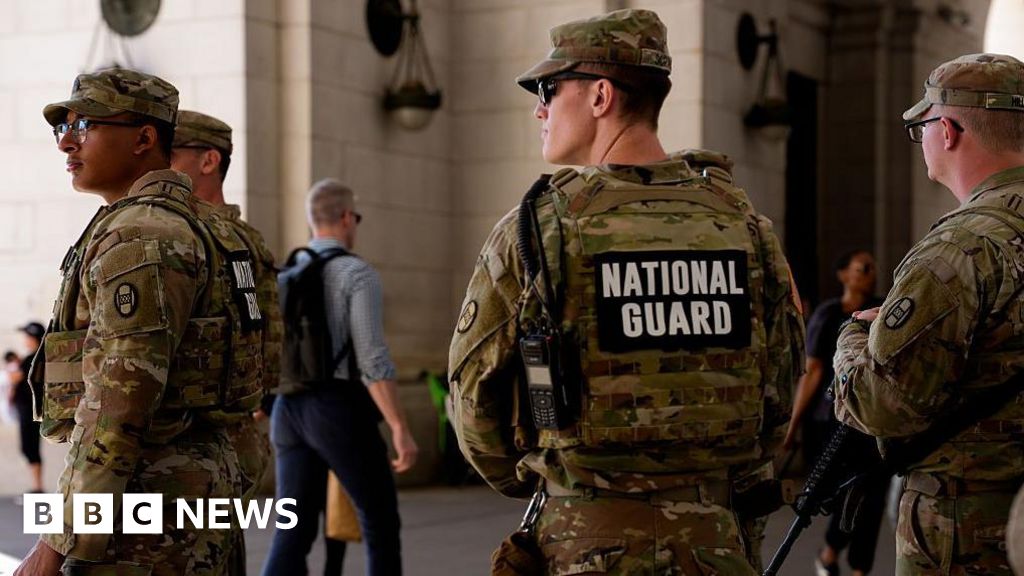
A monthslong effort by the Trump administration to deploy National Guard troops under federal control in U.S. cities keeps evolving amid a barrage of legal challenges.
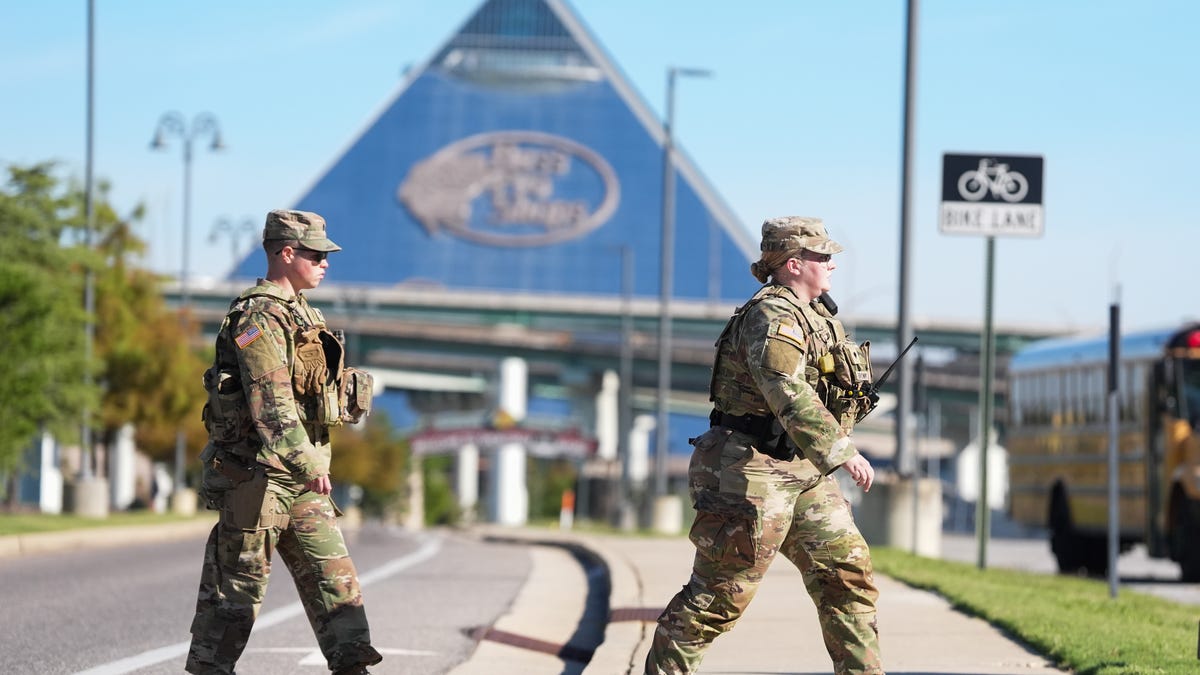
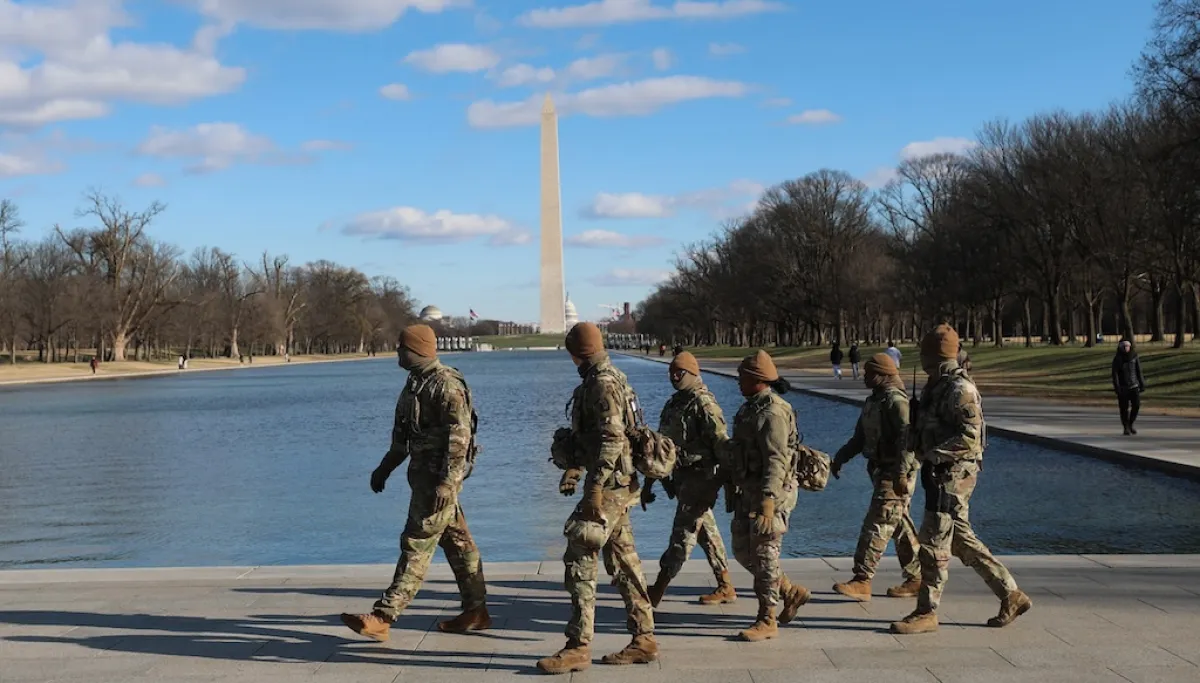
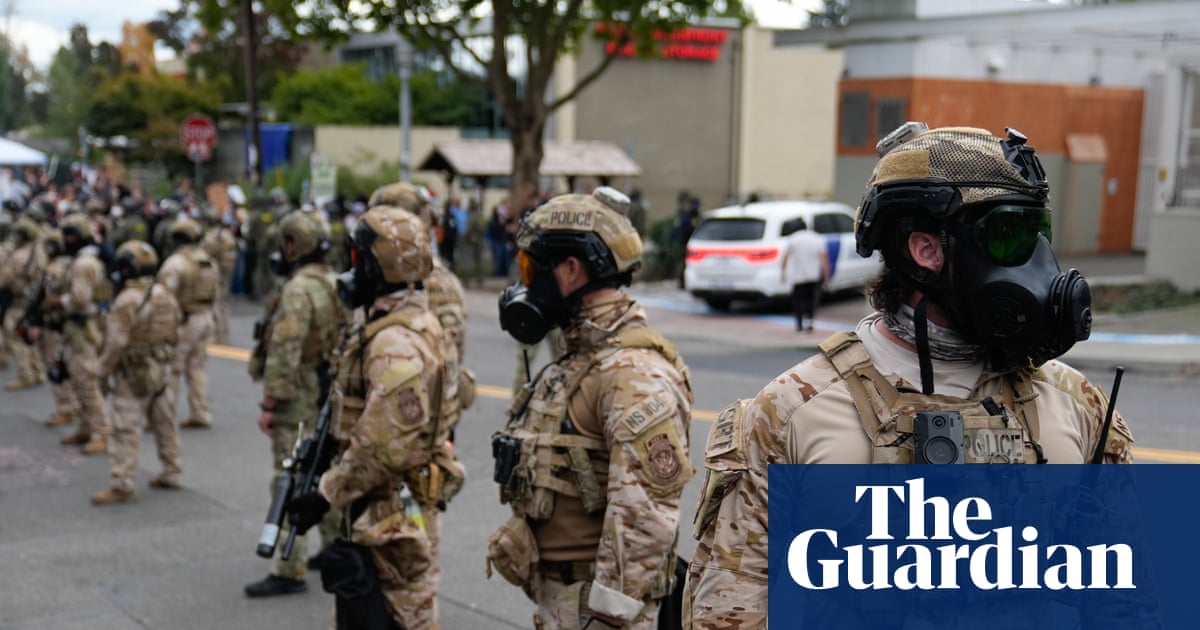
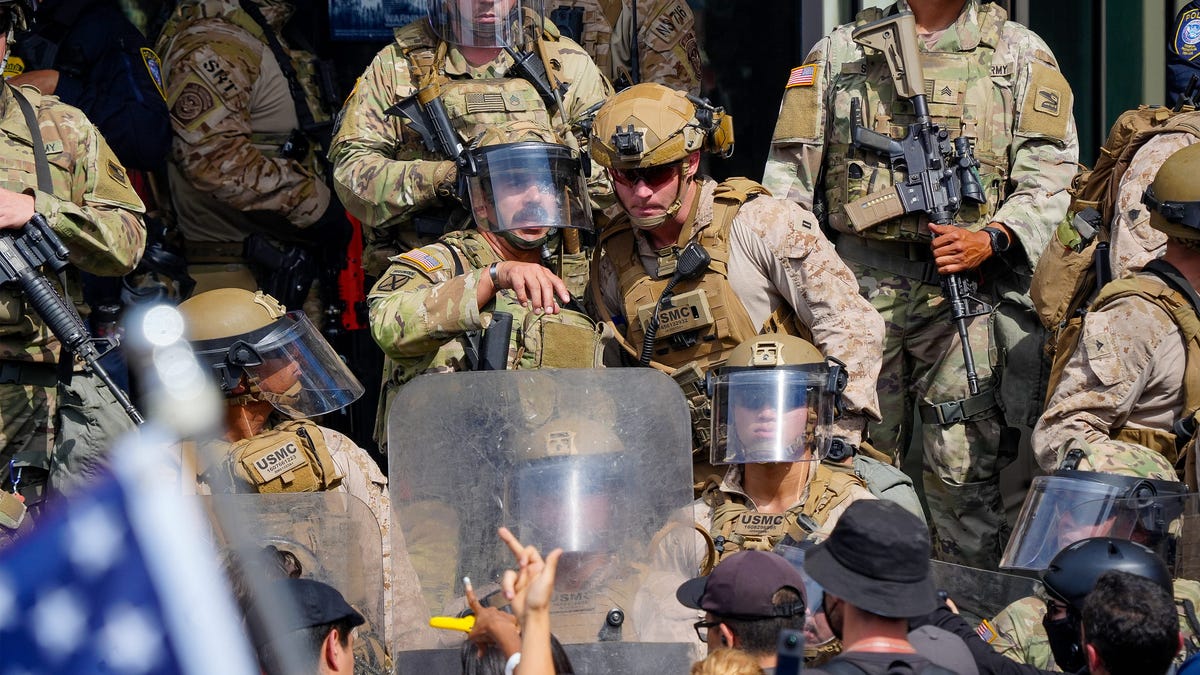
The deployments have ramped up and down in cities including Los Angeles, Washington DC, Chicago, Portland and Memphis. The administration often cited crime and protests as reasons for the deployments over the legal objections of local leaders.
Trial courts around the country have ruled the deployments are illegal and unwarranted, but the administration has challenged these rulings in appeals courts, often resulting in orders blocking the deployments being put on hold.
A federal judge in California, for example, ordered an end to Trump's deployment of National Guard troops in Los Angeles on Dec. 10. The decision came just days after an appeals court paused a lower court order that would have ended the deployment in Washington, DC on Dec. 11.
All eyes are currently on the U.S. Supreme Court, which is expected to weigh in on whether Trump can deploy the National Guard in Chicagowhile the case progresses. It's a decision that likely won’t put an end to the litigation, but could have implications for other cities, according to Joseph Nunn, a legal expert on National Guard deployments with the Brennan Center’s Liberty and National Security Program.