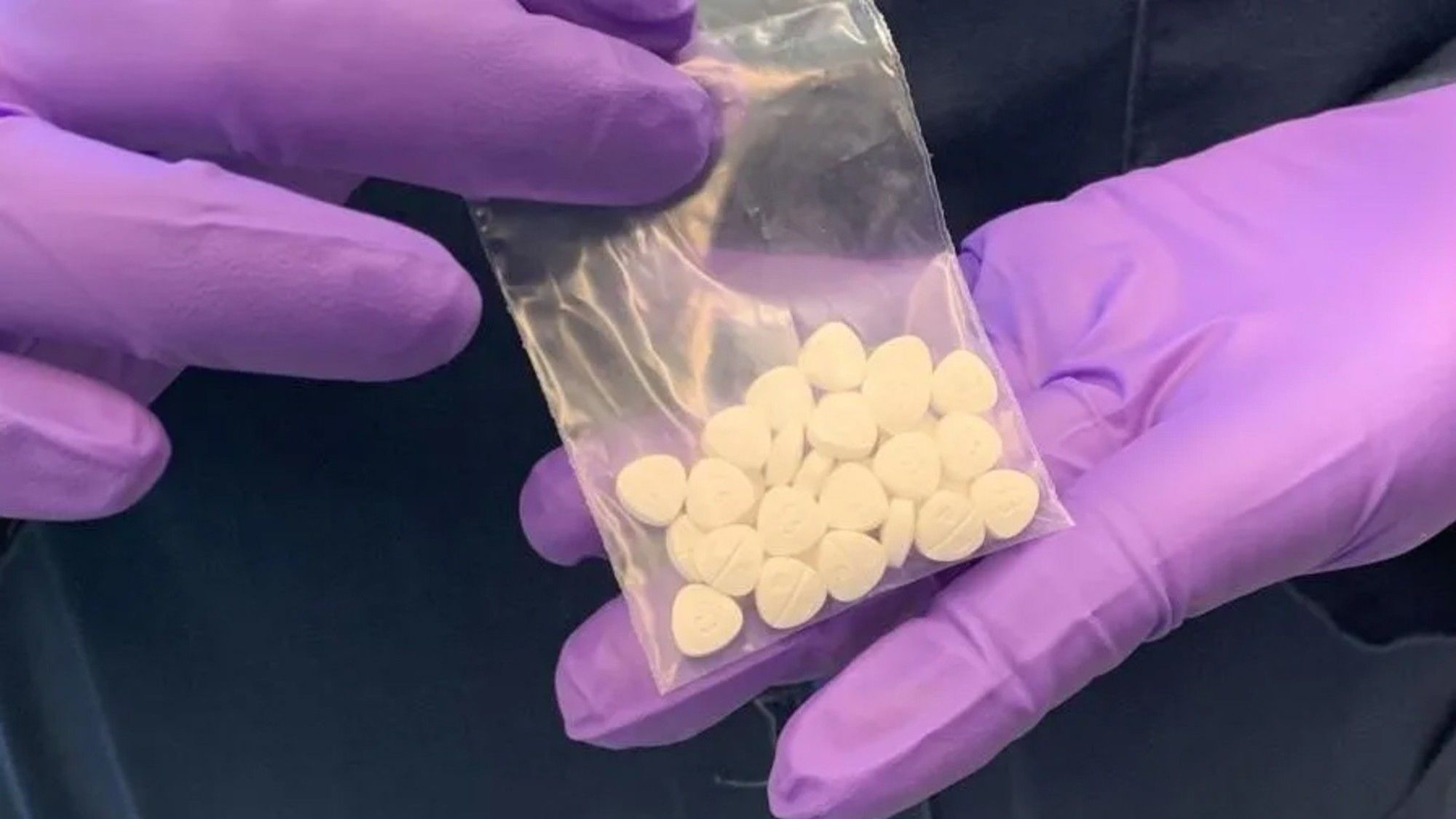
Since emerging in prominence on the party scene in the 1980s, ecstasy has become a staple of festival and rave culture. But the drug also carries far more risks today than it did back then − and some are sounding the alarm.
Dr. Lief Fenno, chair of the American Psychiatric Association Council on Addiction Psychiatry, says it's hard to get exact data on just how strong ecstasy has become today. That's because there's lots of variability from pill-to-pill. Still, overall, he says it's definitely stronger, with some research suggesting the amount of MDMA − the synthetic psychoactive in ecstasy − has increased by about 50% over the past 15 years.
"There is huge variability in the composition of individual tablets," Fenno says. "Some tablets have no MDMA at all, while others have 2-3 times the average tablet concentration."
Ecstasy started gaining traction as a street drug in the '80s before hitting its peak in the late '90s and early 2000s. In the 2010s, it made a comeback under the name molly, slang for "molecular." The drug acts as both a stimulant and a psychedelic.
According the 2021 National Survey on Drug Use and Health, conducted by the Substance Abuse and Mental Health Services Administration (SAMHSA), it's estimated 7.5 percent of Americans age 12 and over have tried ecstasy at least once. At the time of the survey, 586,000 adults 18 and older in the U.S. were estimated to have used MDMA in the last month.