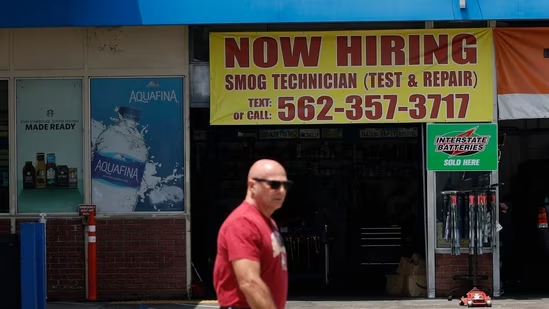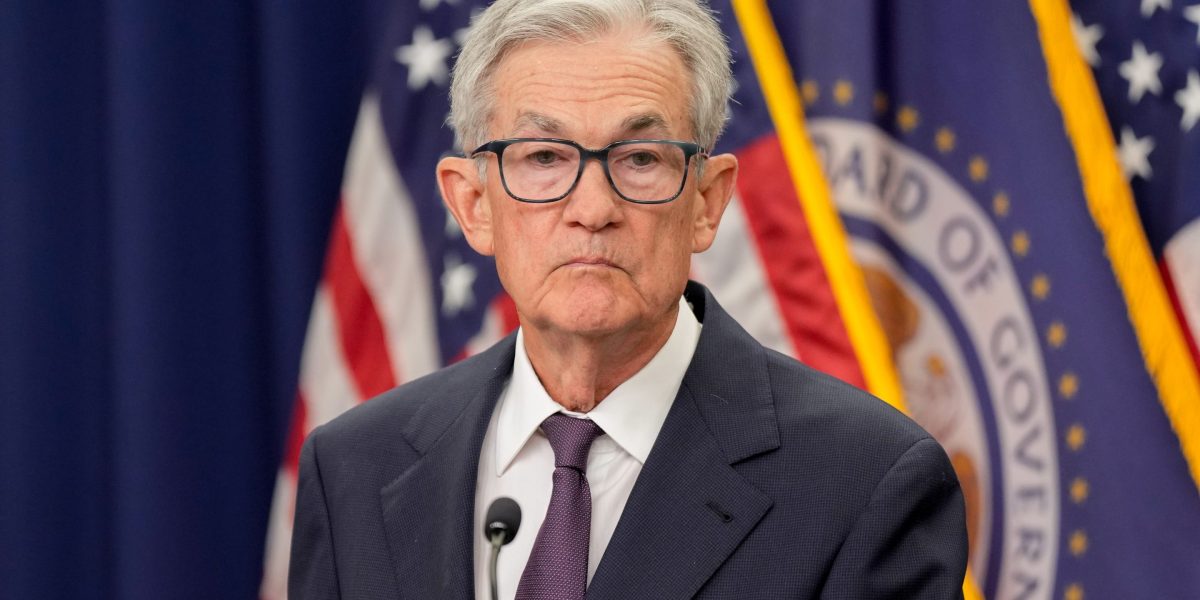
For all the volatility 2025 has endured, things have actually turned out relatively well: The S&P 500 is up by more than 17%, inflation hasn’t spiked despite an onslaught of tariffs, and the unemployment rate has stayed fairly steady.Analysts and investors are generally feeling positive about 2026 as a result—after all, the U.S. economy’s performance has been above expectations since the pandemic, so why not take a bullish stance in the face of huge fiscal stimulus?Well, beneath the relatively robust macroeconomic picture, cracks are beginning to show. Those tremors are already being felt; just look at the Fed’s decision to cut the base rate yesterday despite arguments that, under normal circumstances, there would be no particular reason to. Markets expected the cut based on the labor outlook, which is showing some signs of weakness in what Fed Chair Jerome Powell has called a “low-hire, low-fire” economy.
That weakness looks likely to become something of a fixture in 2026, according to ADP’s chief economist, Nela Richardson. ADP’s take on the economy has grown in prominence this year, partly owing to the government shutdown, which meant public payroll data wasn’t published. In the void came data from ADP, which shares private payroll data insights.