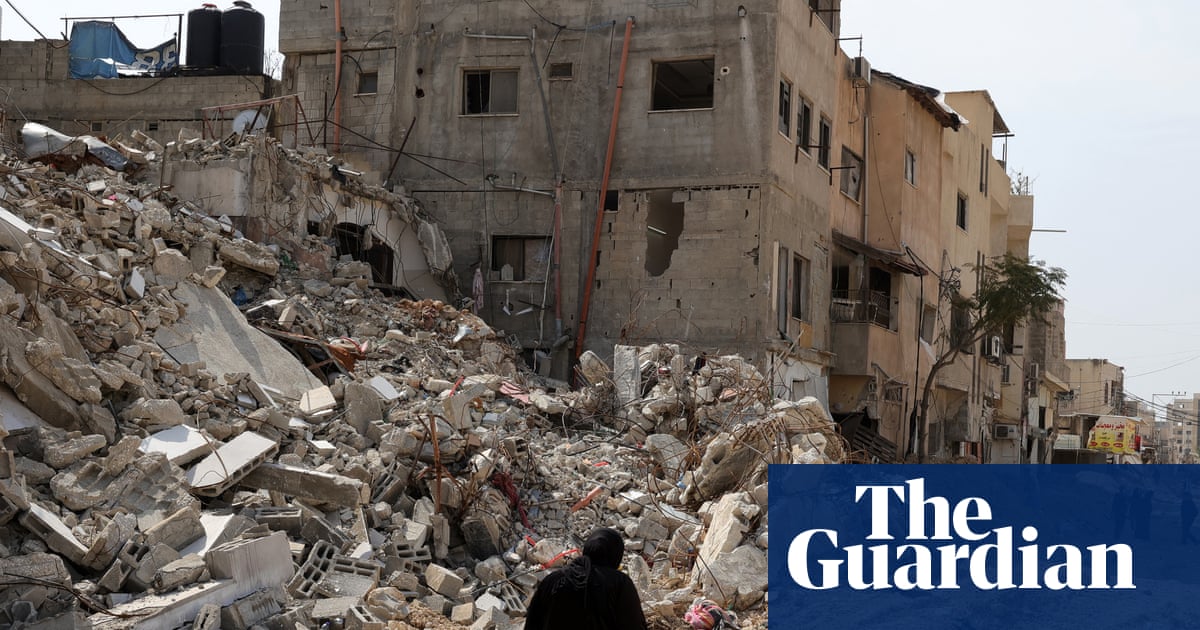
Among the many people I met, there was a pervasive feeling of hopelessness and a sense that resistance is slowly becoming a memory
I
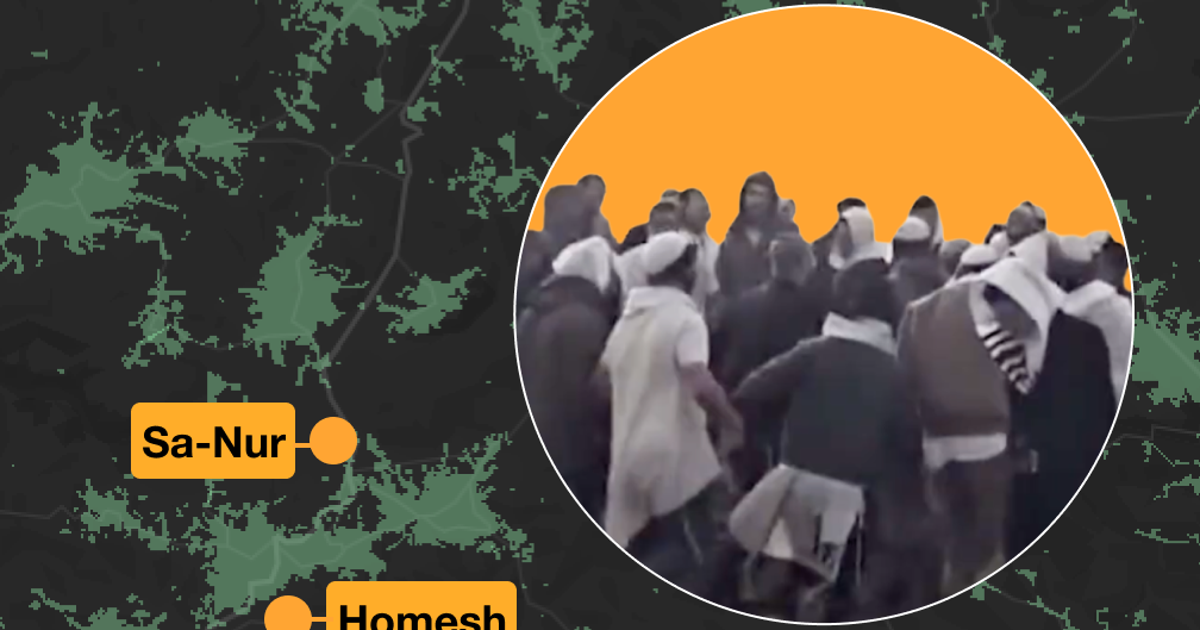
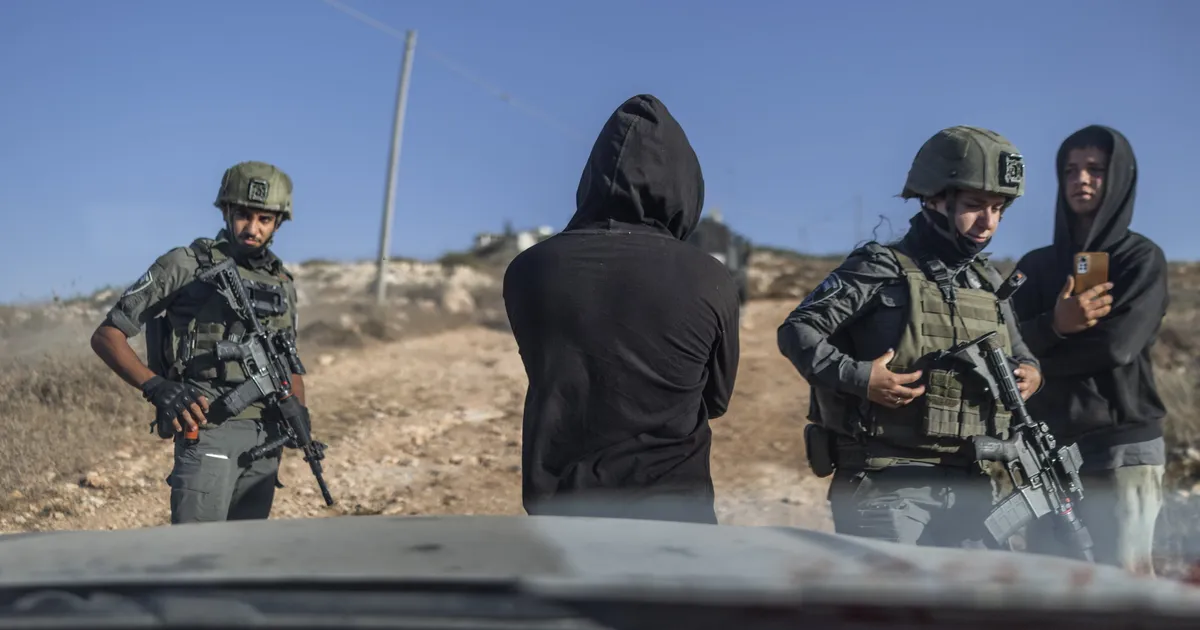
n November, Israeli flags suddenly appeared beside a highway in the Palestinian West Bank. More than 1,000, placed about 30 yards apart on both sides of the road, stretching for roughly 10 miles. They were planted south of Nablus, close to Palestinian villages regularly targeted by extremist Israeli settlers. I saw the flags on my way to visit those villages, the morning after they were put up. Their message echoed the ubiquitous graffiti painted by settlers across the West Bank: “You have no future in Palestine.”
Compared with the 70,000 Palestinians killed in Gaza and more than 1,000 in the West Bank since October 2023, the flags amount to no more than a minor provocation. But they reflect how dominant Israel has become in the West Bank, land recognised under international law as belonging to the Palestinians. During the second intifada, the Palestinian uprising from 2000 to 2005, Israeli settlers would not have risked planting such flags, for fear of coming under fire from Palestinians. Not now.
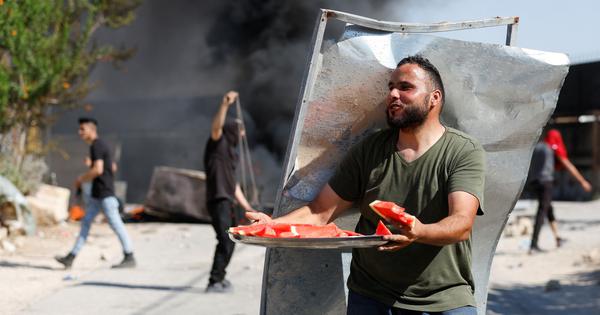
I returned to the West Bank last month for the first time in 20 years. In the early 2000s, I had visited regularly as a correspondent for the Guardian, in support of Jerusalem-based colleagues covering the second intifada. The uprising was much more violent than the first, which ran from 1987 to 1993. The enduring image of the first is of Palestinian youths throwing rocks at Israeli soldiers. The second was a full-scale confrontation, with Israel attacking Palestinian cities and towns with artillery, tanks, helicopters and jets while Palestinians fought back with rifles and explosives. Palestinians ambushed soldiers and settlers in the West Bank, making roads a risky venture, especially at night, and terrorised Israel by sending suicide bombers across its border to attack bus stops, cafes, hotels and anywhere else that was crowded. More than 3,000 Palestinians and more than 1,000 Israelis were killed.