Cyclones like those in Indonesia, Sri Lanka and Malaysia that killed 1,750 are ‘alarming new reality’
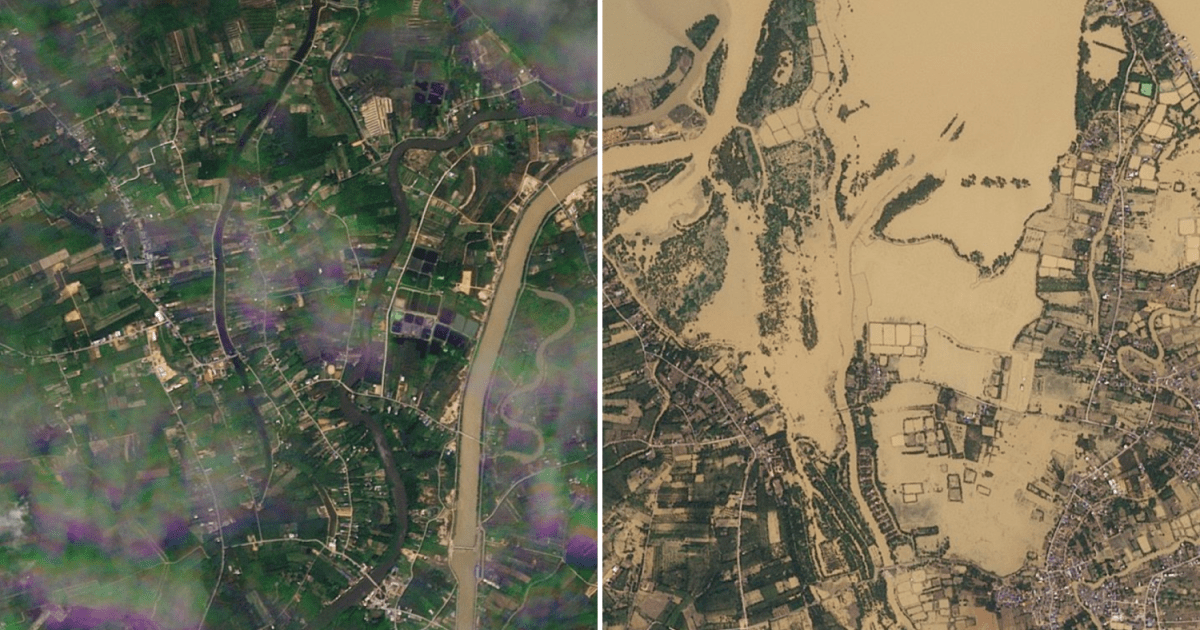
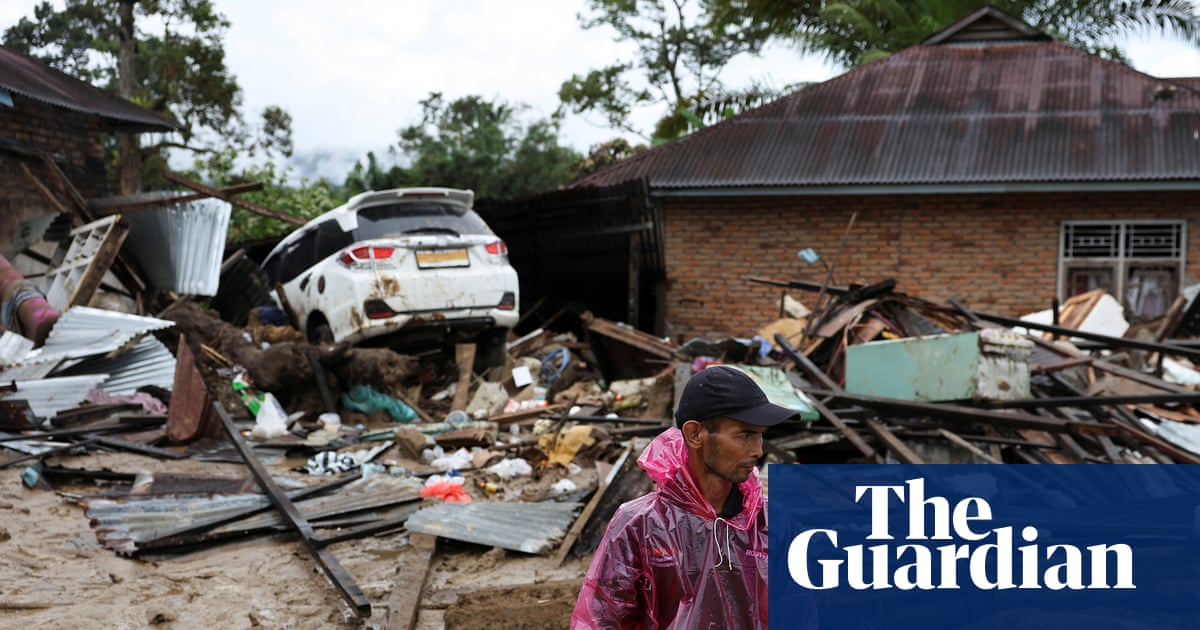
The climate crisis supercharged the deadly storms that killed more than 1,750 people in Asia by making downpours more intense and flooding worse, scientists have reported. Monsoon rains often bring some flooding but the scientists were clear: this was “not normal”.
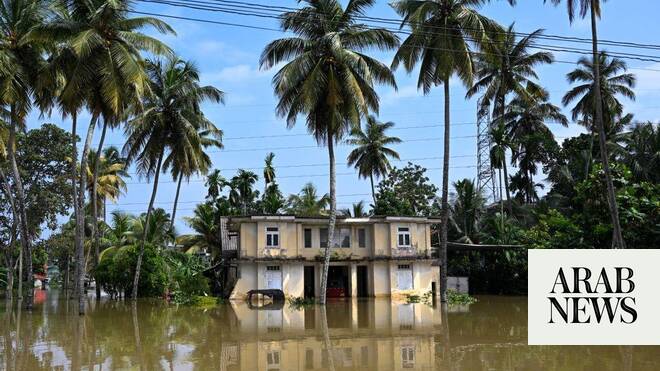
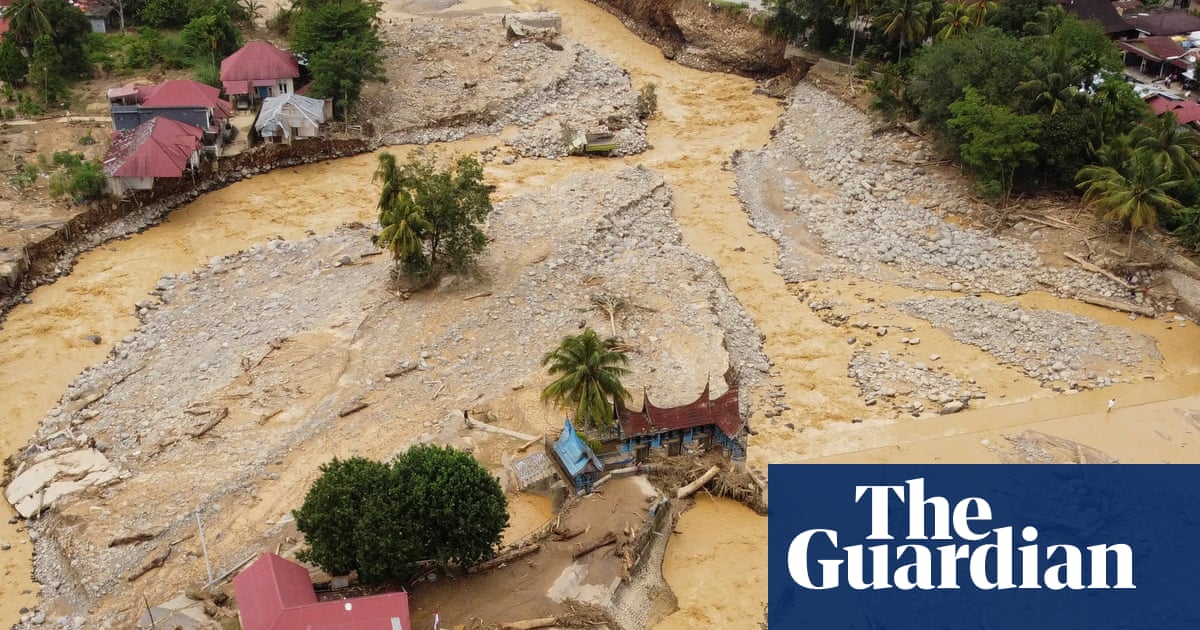
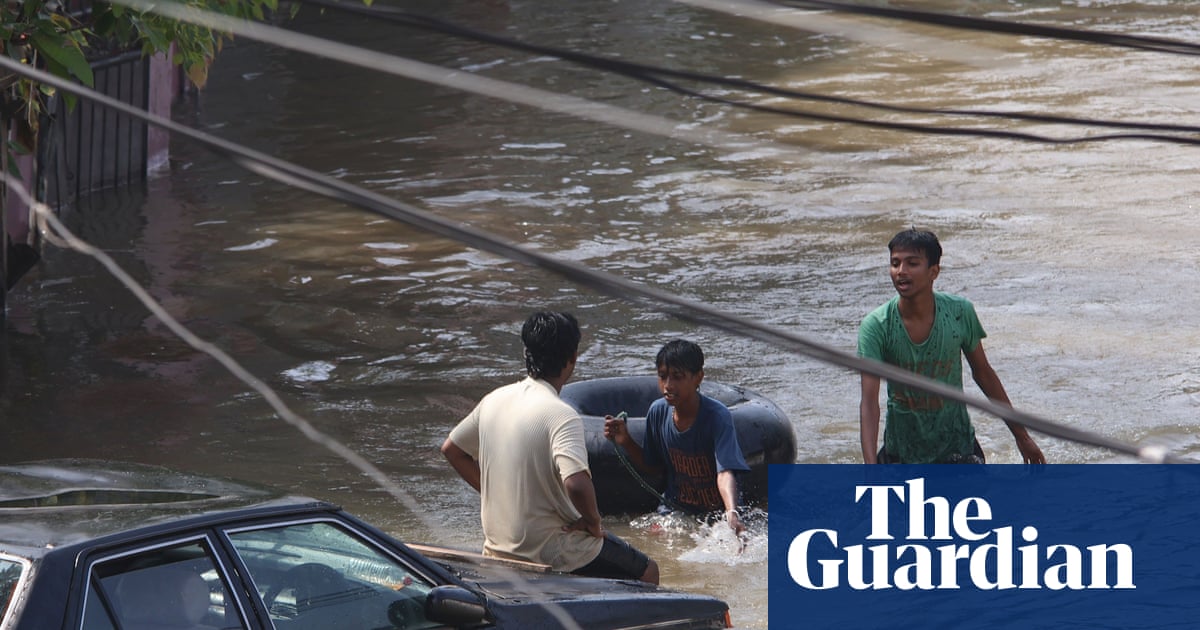
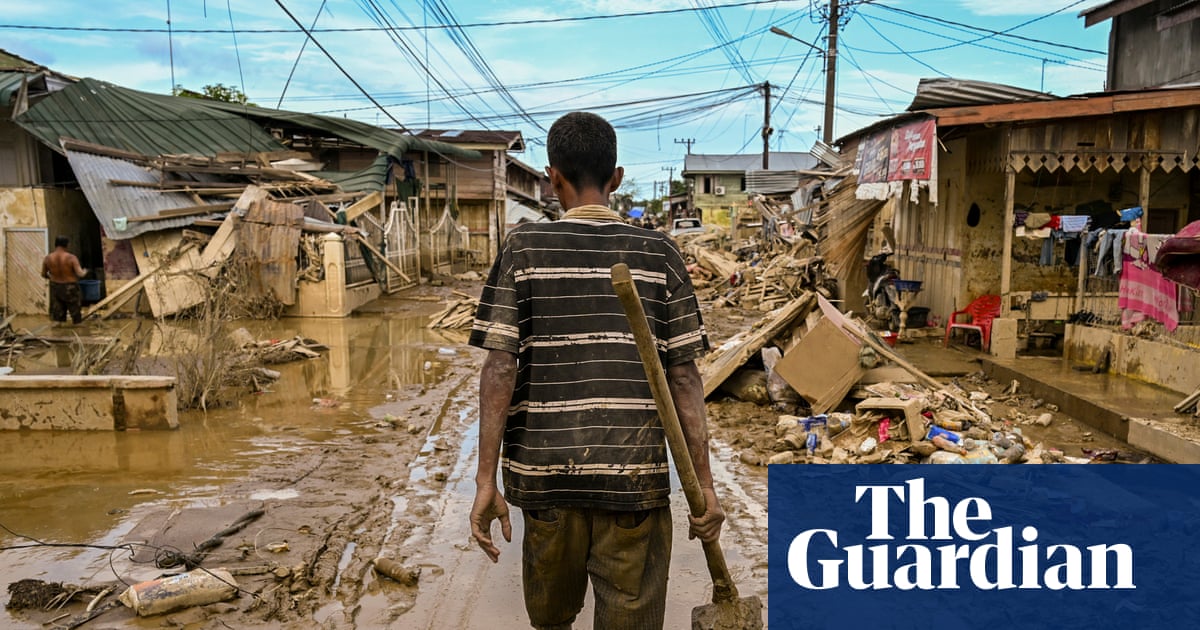
In Sri Lanka, some floods reached the second floor of buildings, while in Sumatra, in Indonesia, the floods were worsened by the destruction of forests, which in the past slowed rainwater running off hillsides.
Millions of people were affected when Cyclone Ditwah struck Sri Lanka and Cyclone Senyar hit Sumatra and peninsular Malaysia in late November, and the events became some of the deadliest weather-related disasters in recent history.
The analysis by World Weather Attribution, a consortium of climate scientists, found the intensity of five-day episodes of heavy rain had increased by 28-160% in the region affected by Cyclone Senyar owing to human-caused global heating. In Sri Lanka, the periods of heavy rain are now between 9% and 50% more intense.