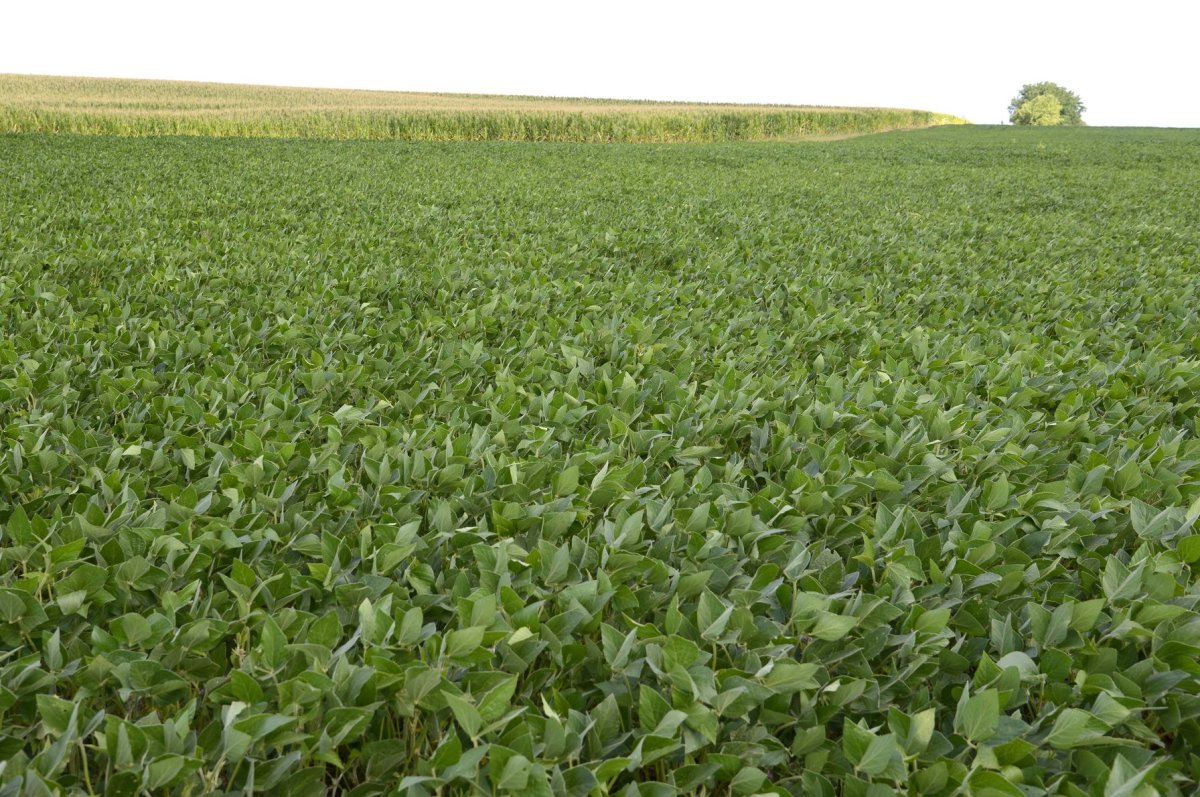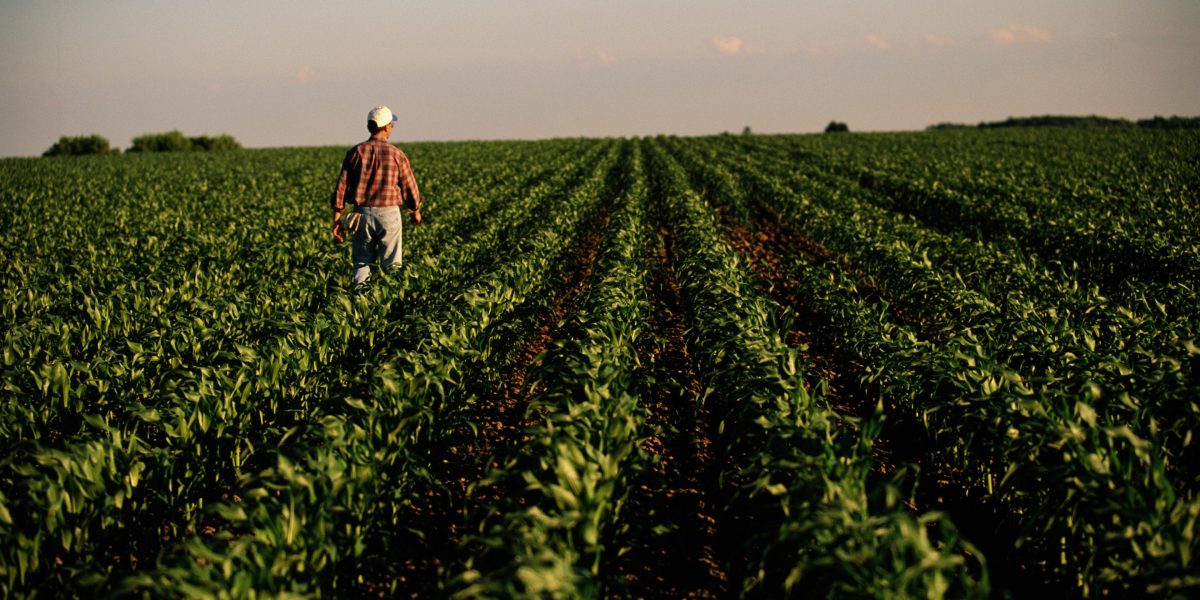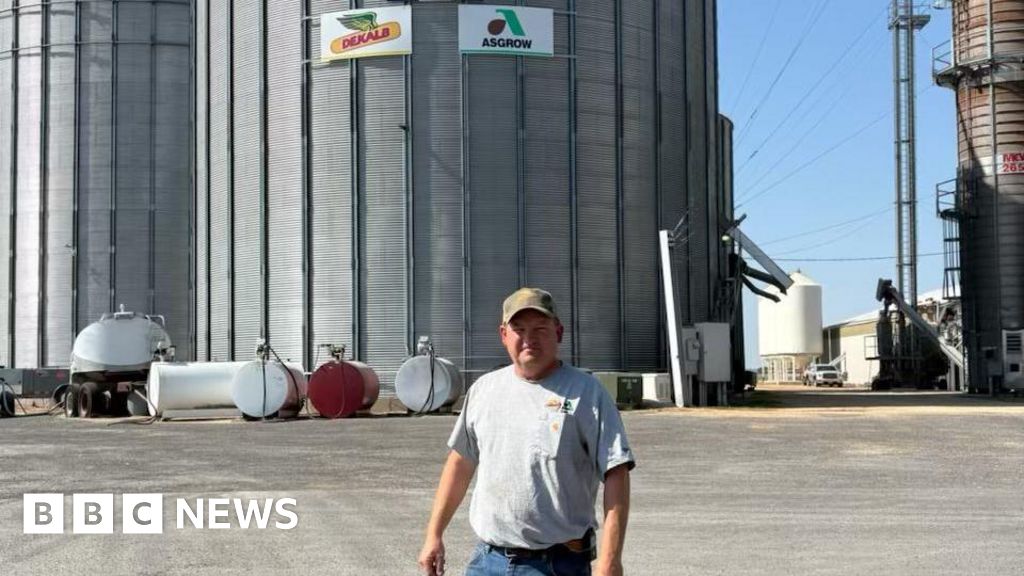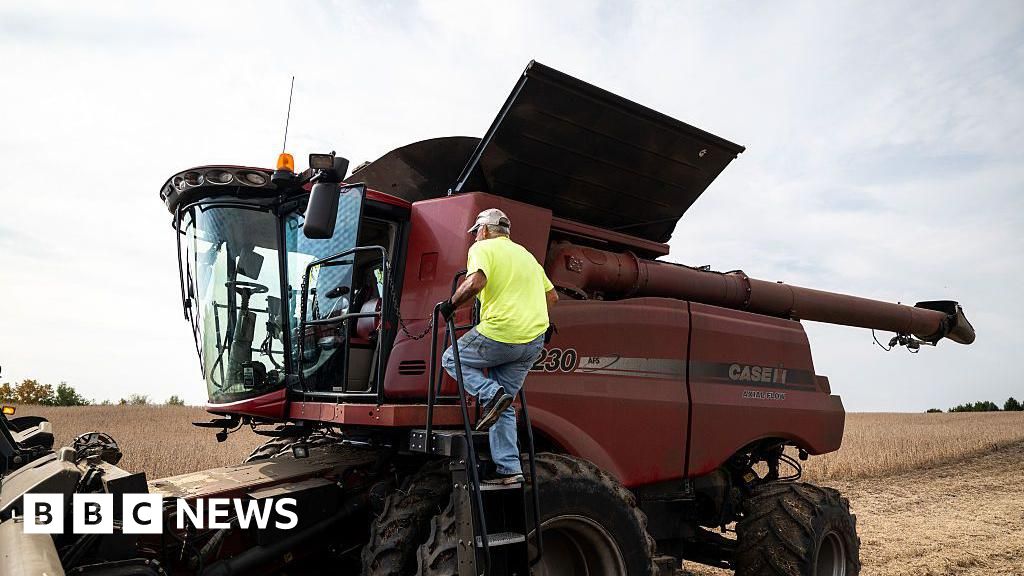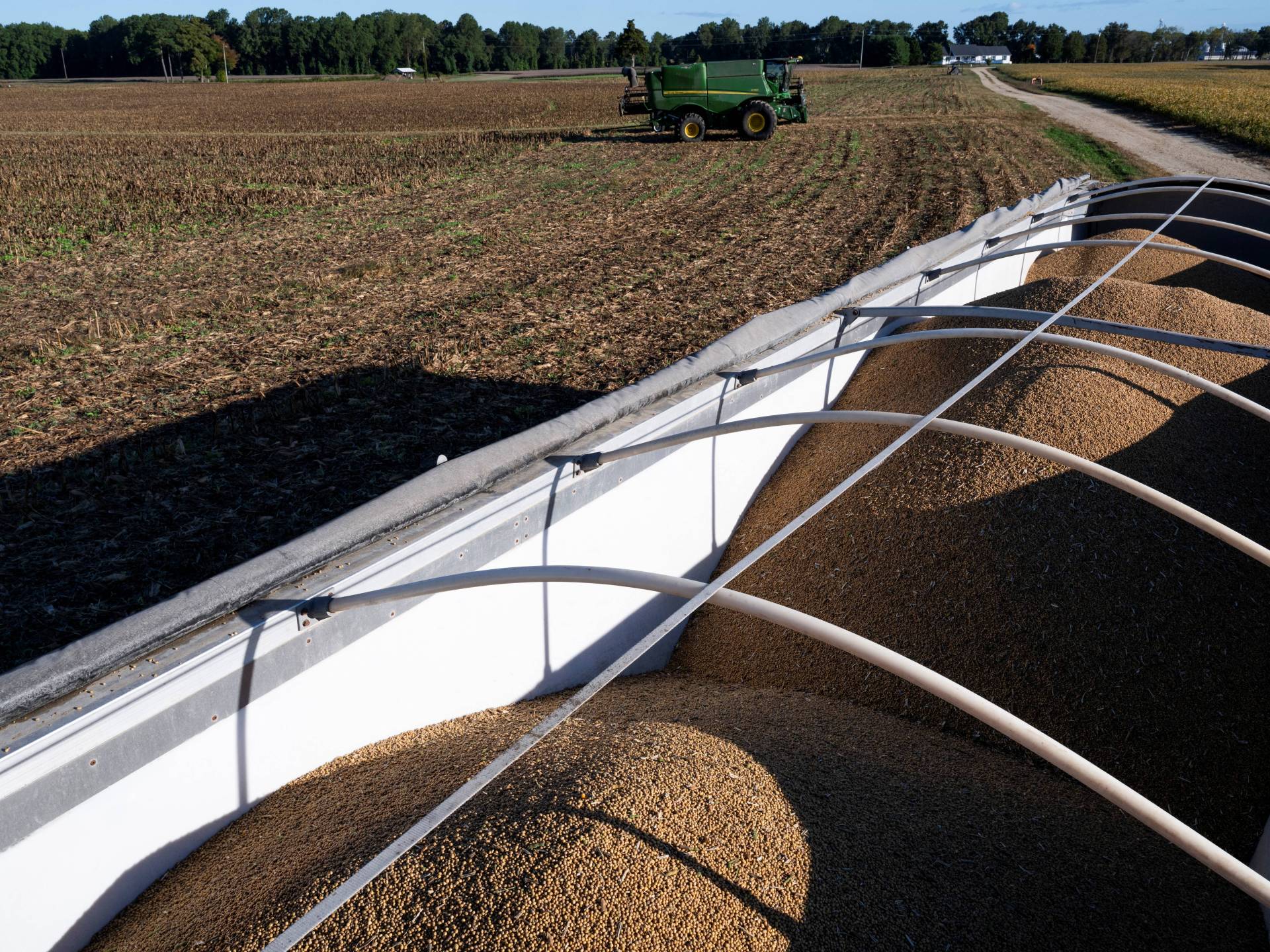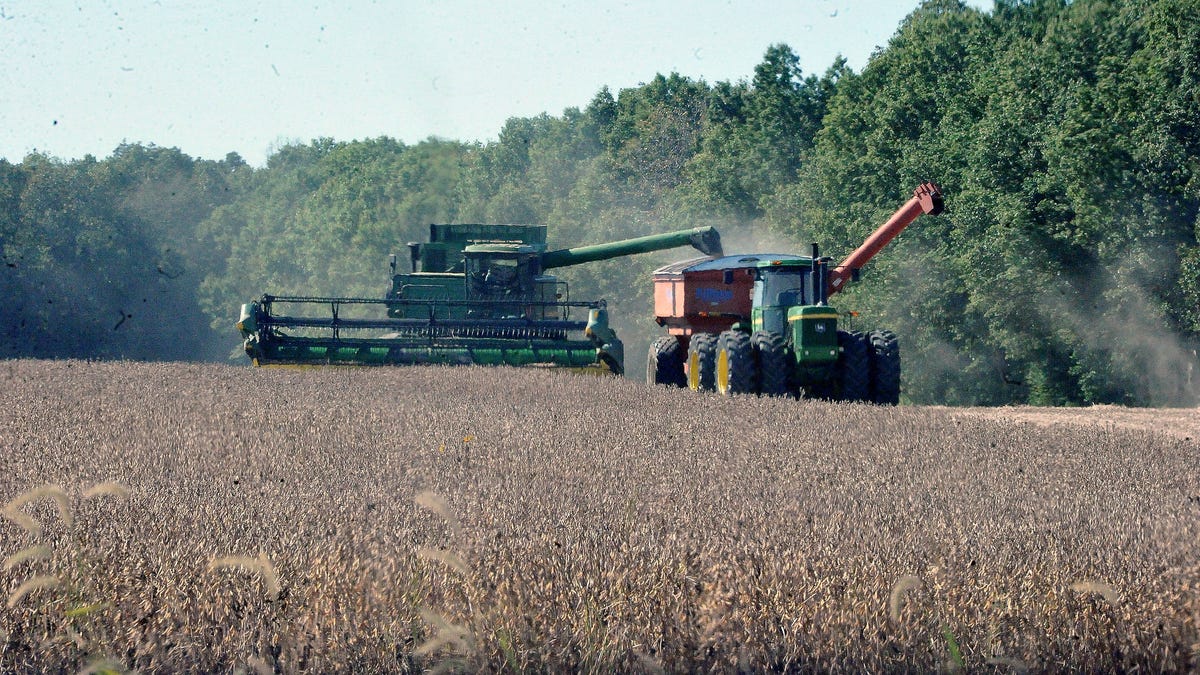
A few years ago, Wisconsin soybean farmer Doug Rebout was getting $14.50 a bushel for his crop. Now, amid a trade dispute with China and rising production costs driven by inflation, that price has plummeted to around $9.30.
Rebout's farm, which grows about 80,000 bushels of soybeans annually, is looking at a $400,000 economic loss due to the drop in prices, he told the Milwaukee Journal Sentinel, part of the USA TODAY Network.
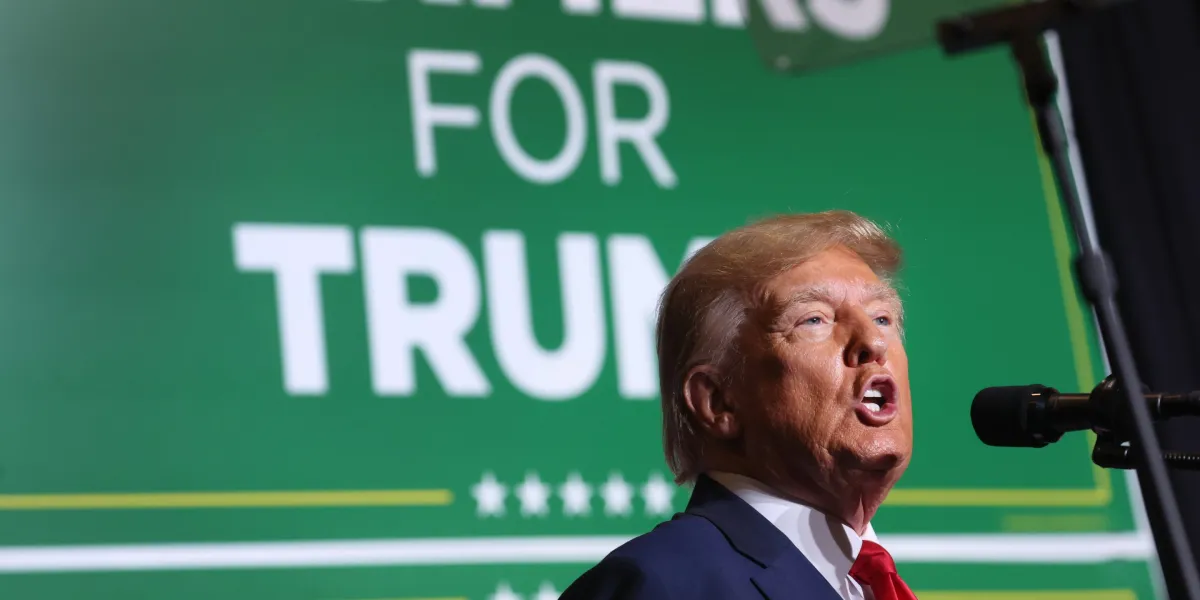
Prior to President Donald Trump's announcement of a $12 billion assistance package for farmers, Rebout said that though financial aid would help farmers "weather the storm," many fear the economic uncertainty will linger. Some are worried about losing farms that have been in their families for generations.
"Right now, we're farming at losses because of these prices," Rebout said. "As farmers, we don't want to keep receiving bailouts. We want to get paid for our costs, be able to pay our own bills and make a little bit of money."
Soybean farmers were hit particularly hard when China, which has historically bought half of U.S. soybeans, retaliated against U.S. tariffs and turned to Brazil and Argentina instead. Meanwhile, the cost of labor, fertilizer, fuel, oil and seed rose.