Two earthquakes of a 7.0 or greater magnitude have struck within days of each other in Alaska and Japan, prompting worries another big temblor could be on the way.
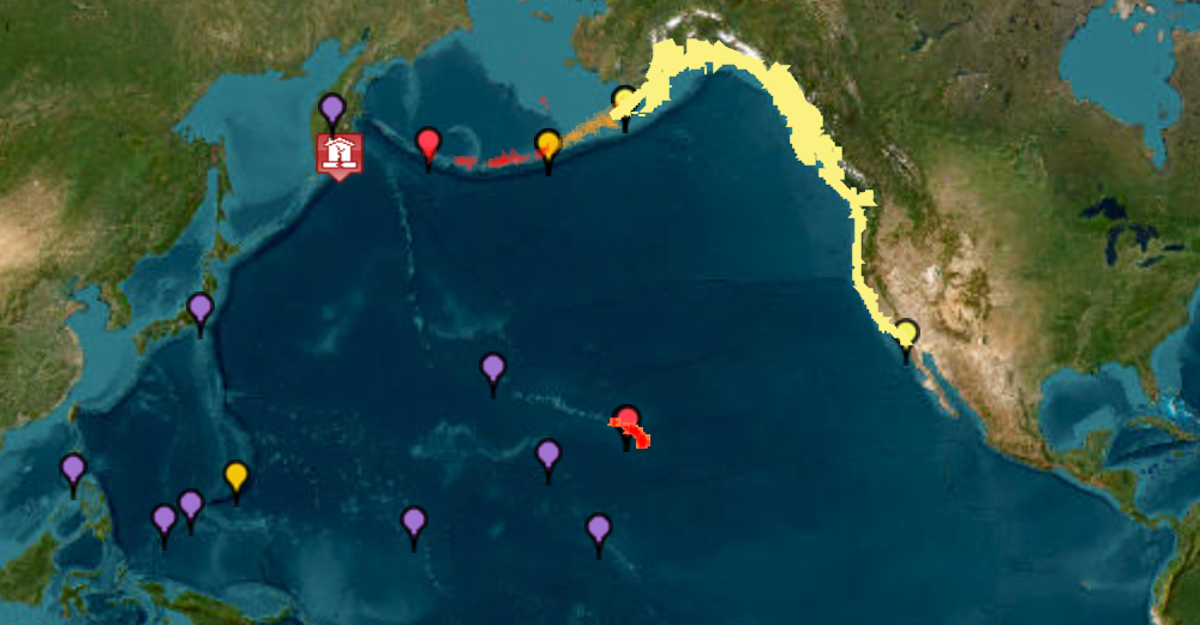
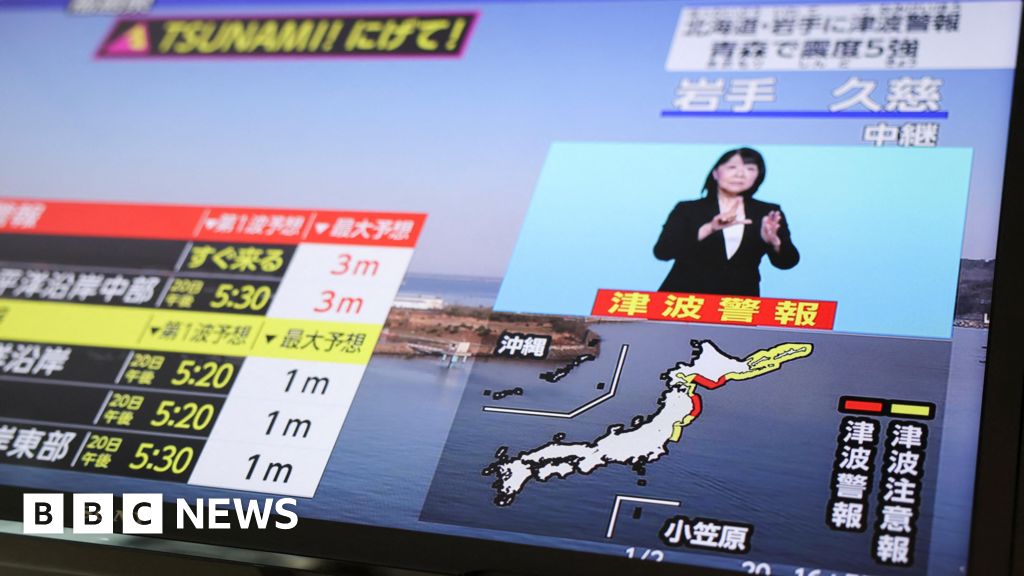
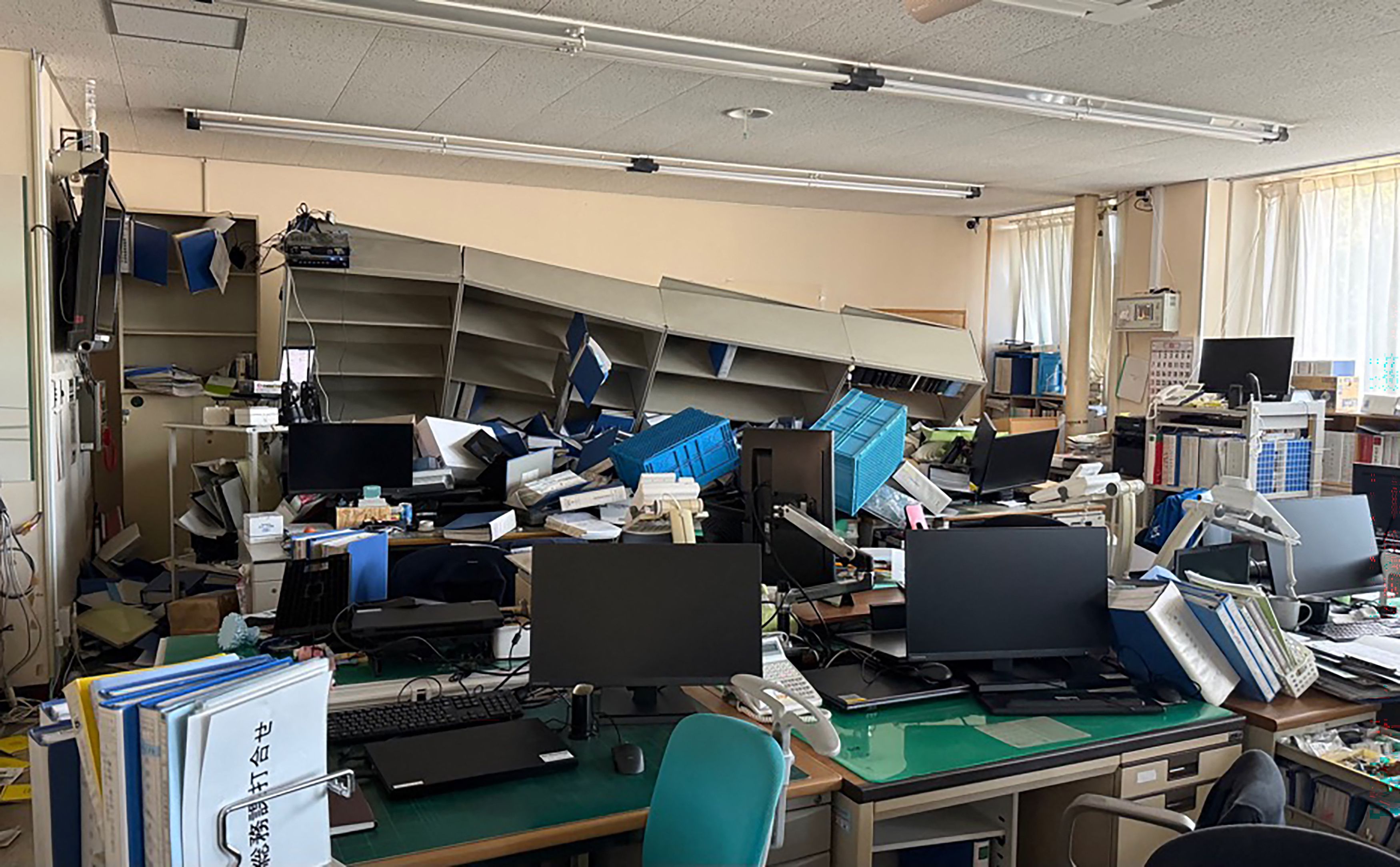
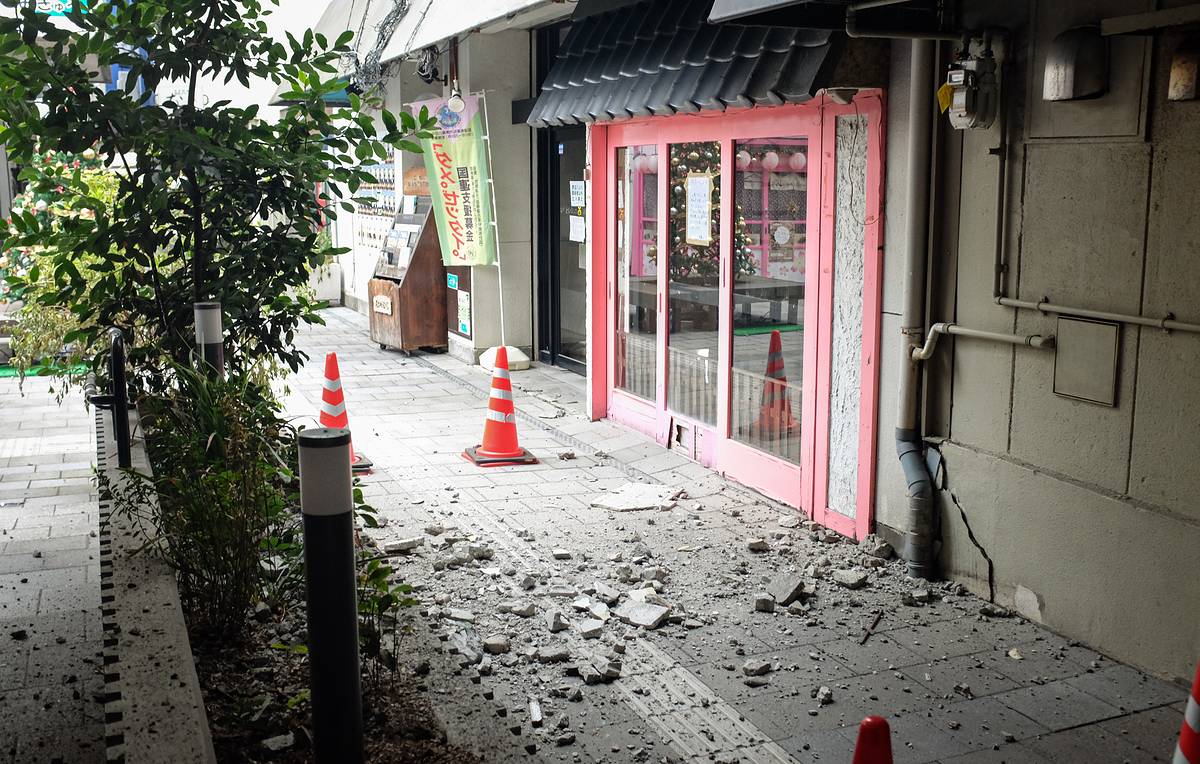
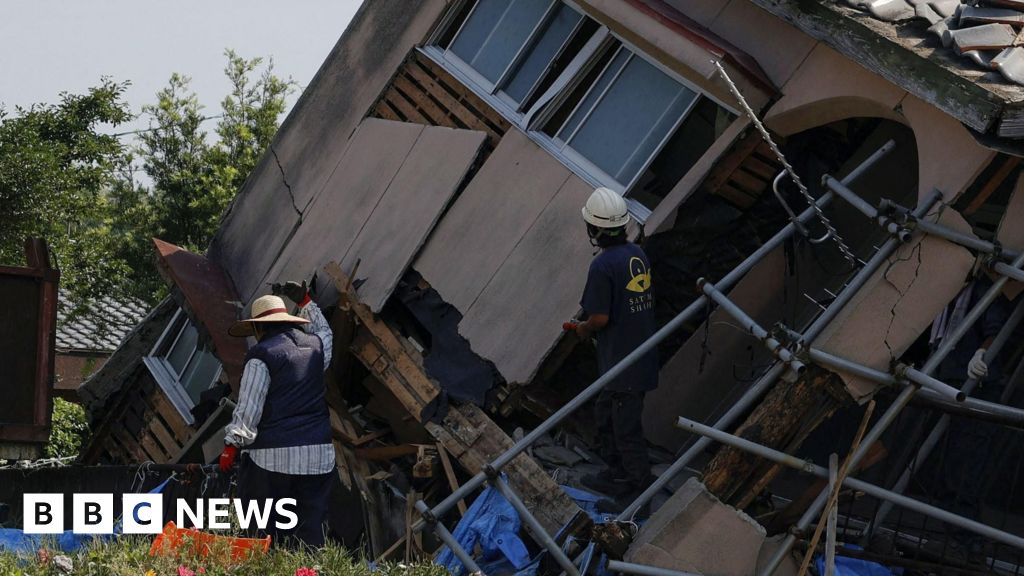
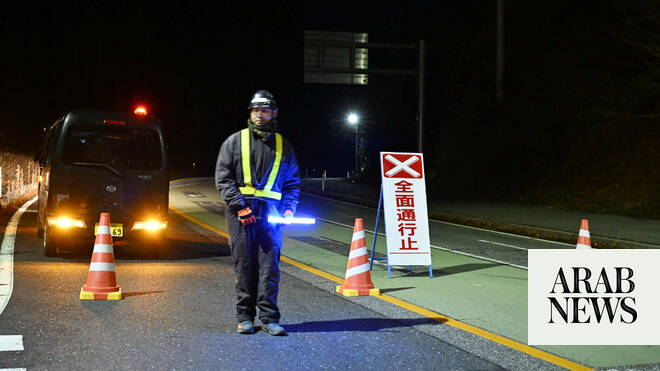
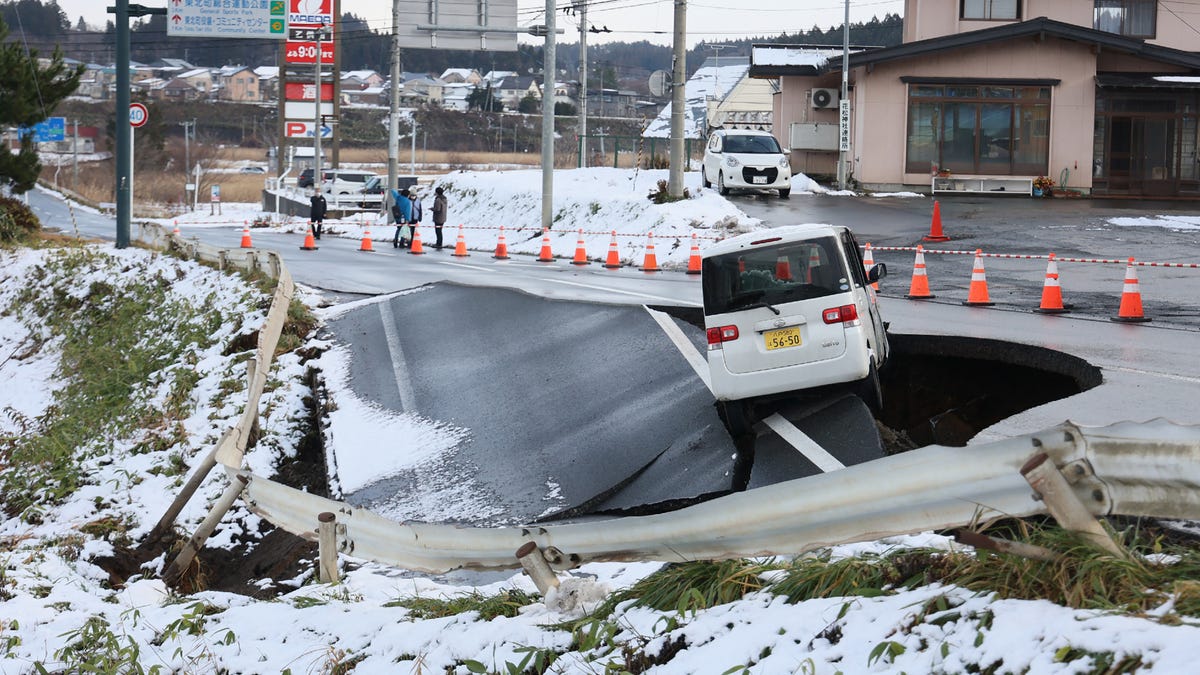
The first quake hit in Alaska on Dec. 6 with a magnitude of 7.0, a major quake capable of producing serious damage if it hadn't happened in such a remote area near the Canada border. The second, a 7.6 mega-quake, hit northern Japan on Dec. 8, prompting tsunami warnings that were later lifted and causing at least 30 injuries. Tens of thousands evacuated their homes.
Aftershocks have been recorded for both earthquakes. On Dec. 8, Japanese authorities warned an even more powerful earthquake could strike within the next week and called on residents from the northernmost island of Hokkaido down to Chiba prefecture, east of Tokyo, to be on high alert.
The earthquakes were notable for their strength.
In an average year, the U.S. Geological Survey says about 16 major earthquakes are expected around the world, including 15 with a magnitude of 7.0 or higher and one 8.0 or higher. That's based on records dating back to about 1900. For the last four to five decades, the long-term average number of major quakes in a year has been surpassed about a dozen times.