Increased focus on “privacy and security” may open the door for AI-enabled devices rather than relying entirely on cloud computing and remote data centers.
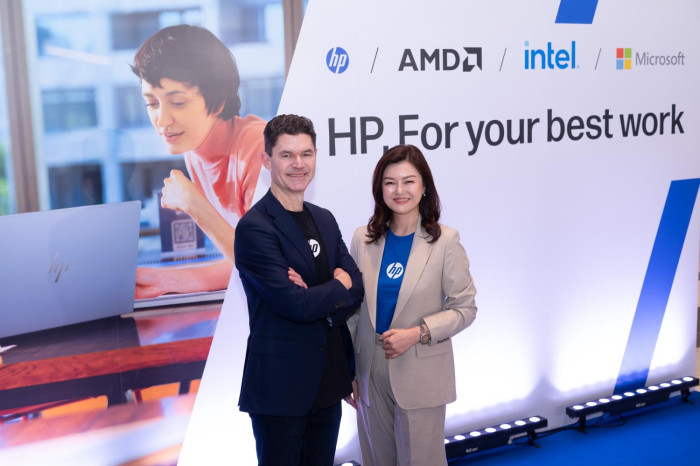
“In a world where sovereign data retention matters, people want to know that if they input data to a model, the model won’t train on their data,” David McQuarrie, HP’s chief commercial officer, told Fortune in October. Using an AI locally provides that reassurance.
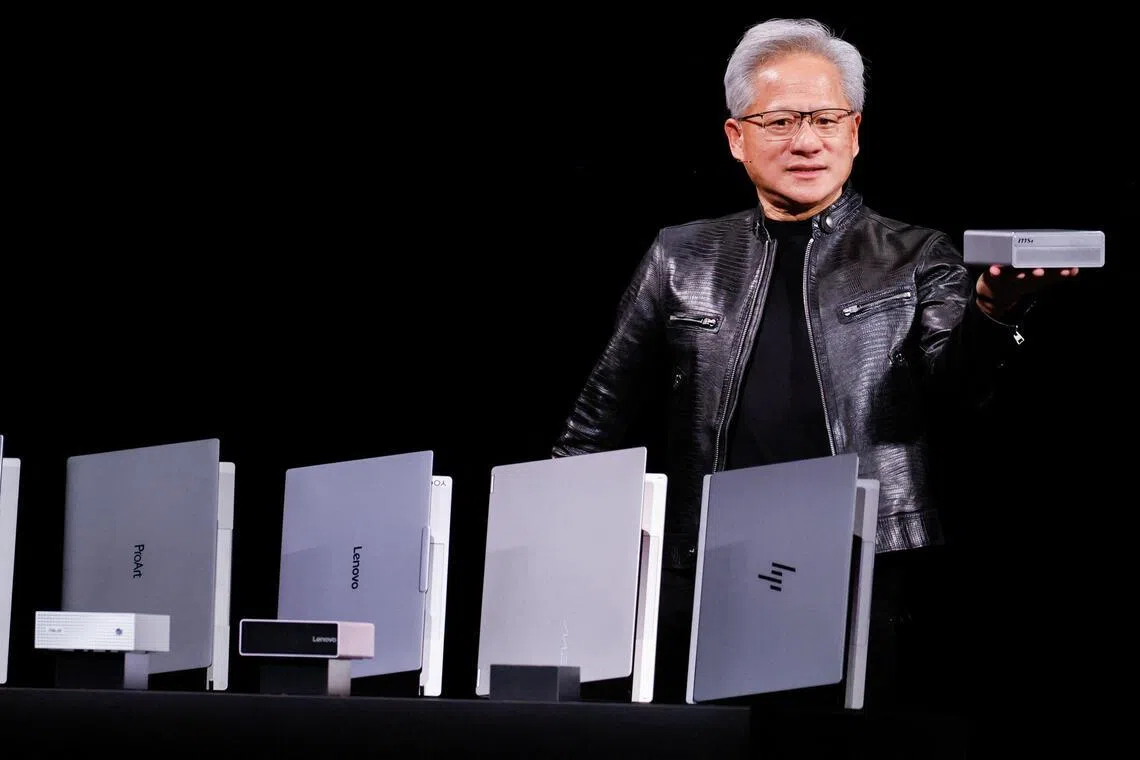
HP, like many of its device-making peers, is exploring the use of AI PCs, or devices that can use AI locally as opposed to in the cloud. “Longer term, it will be impossible not to buy an AI PC, simply because there’s so much power in them,” he said.
More broadly, smaller companies might be served just as well by a smaller model running locally than a larger model running in the cloud. “A company, a small business, or an individual has significant amounts of data that need not be put in the cloud,” he said.
Asian governments have often had stricter rules on data sovereignty. China, in particular, has significantly tightened its regulations on where Chinese user data can be stored. South Korea is another example of an Asian country that treats some locally sourced data as too sensitive to be housed overseas.