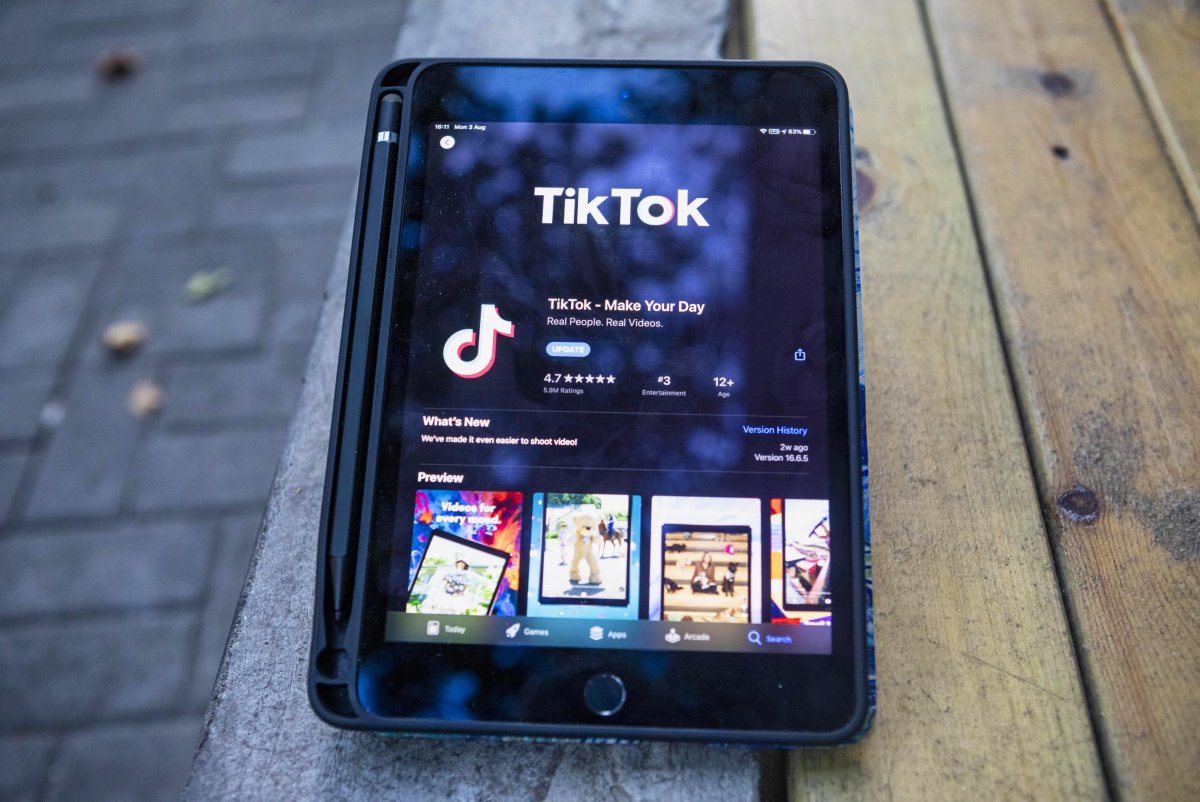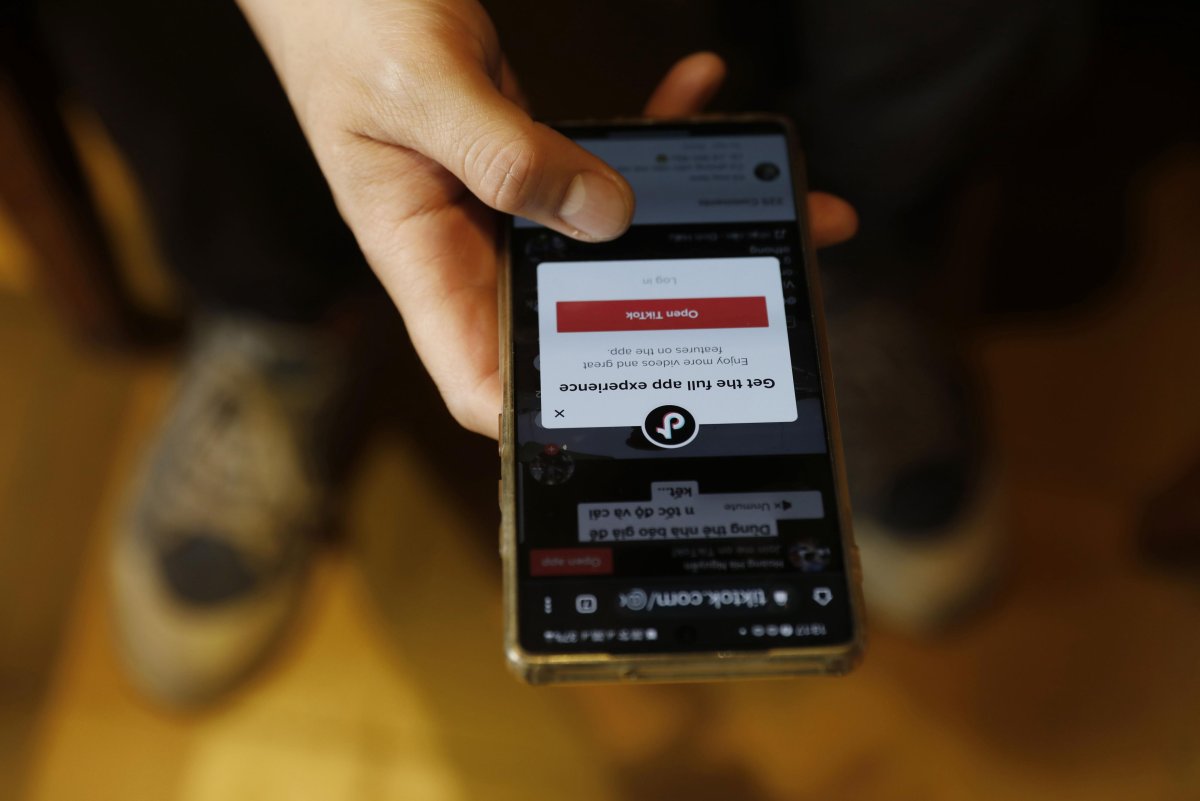
Fake clickbait TikTok videos about epilepsy treatments are receiving more views than accurate, evidence-based offerings, a new study says. File Photo by EPA
Fake clickbait TikTok videos about epilepsy treatments are receiving more views than accurate, evidence-based offerings, a new study says.
More than half of TikTok videos regarding epilepsy featured claims that were false, misleading and potentially harmful, researchers reported Friday at the annual meeting of the American Epilepsy Society in Atlanta.
"On TikTok, the videos that reach the widest audience are often the least accurate," lead researcher Dr. Evelina Dedic, a child neurology resident at the Mayo Clinic College of Medicine and Health Sciences in Jacksonville, Florida, said in a news release.
"That creates a real risk for people with epilepsy, because misleading treatment claims can delay effective care, encourage unsafe alternatives and increase mistrust of medical experts," Dedic said.