https://arab.news/wt8xb
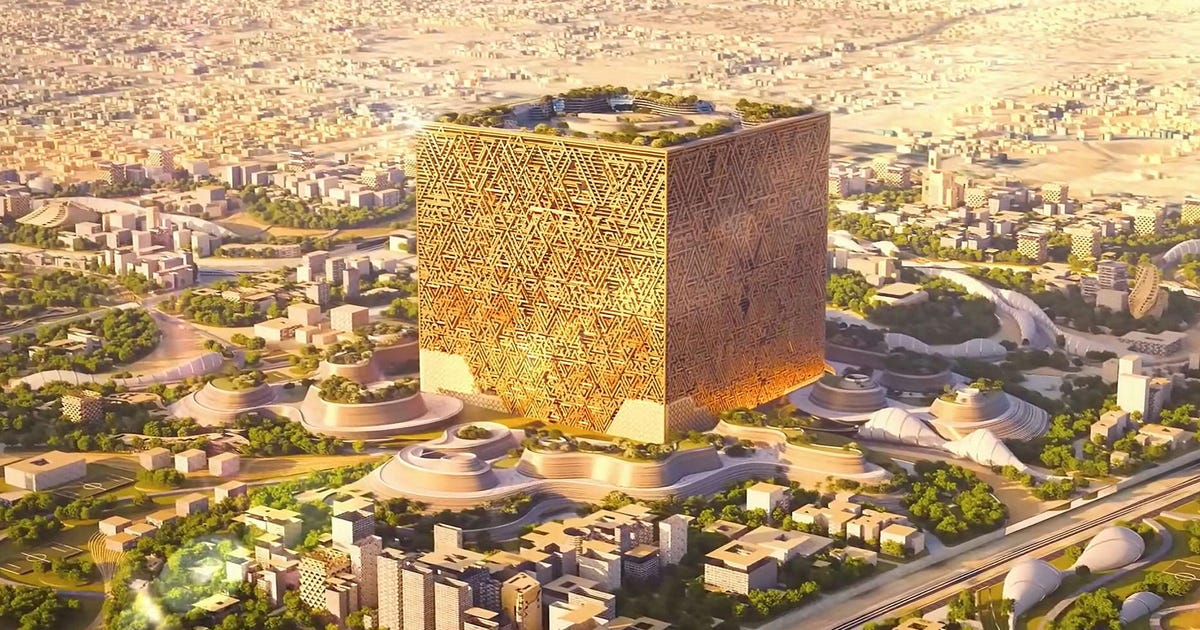
Saudi Arabia is often viewed through the spectacle of its megaprojects. But renderings obscure the deeper story: the Kingdom is restoring a capability many advanced economies have lost, namely the ability to plan in decades while adjusting course in real time. In an era where long-term governance has eroded, this capacity is increasingly rare.
Across the Organization for Economic Cooperation and Development, governments struggle to turn ambition into delivery. California’s high-speed rail has consumed 16 years and more than $10 billion without producing a single operating line. Germany’s industrial and energy policy shifts with coalition politics. The UK has cycled through five prime ministers in eight years as major infrastructure projects stall in endless consultations. Policy continuity, once a Western hallmark, has frayed.
Saudi Arabia’s trajectory since launching Vision 2030 in 2016 offers a stark contrast. Non-oil gross domestic product has grown between 4 percent and 5 percent annually since 2017. Tourism exceeded 100 million visits last year, reaching the 2030 target early. Female labor participation has risen from 19 percent to more than 34 percent. Regulations have been modernized, mining has attracted billions, logistics capacity has expanded, and the Kingdom is positioning itself as a leading regional hub for advanced digital infrastructure. These gains reflect coordinated execution.