N
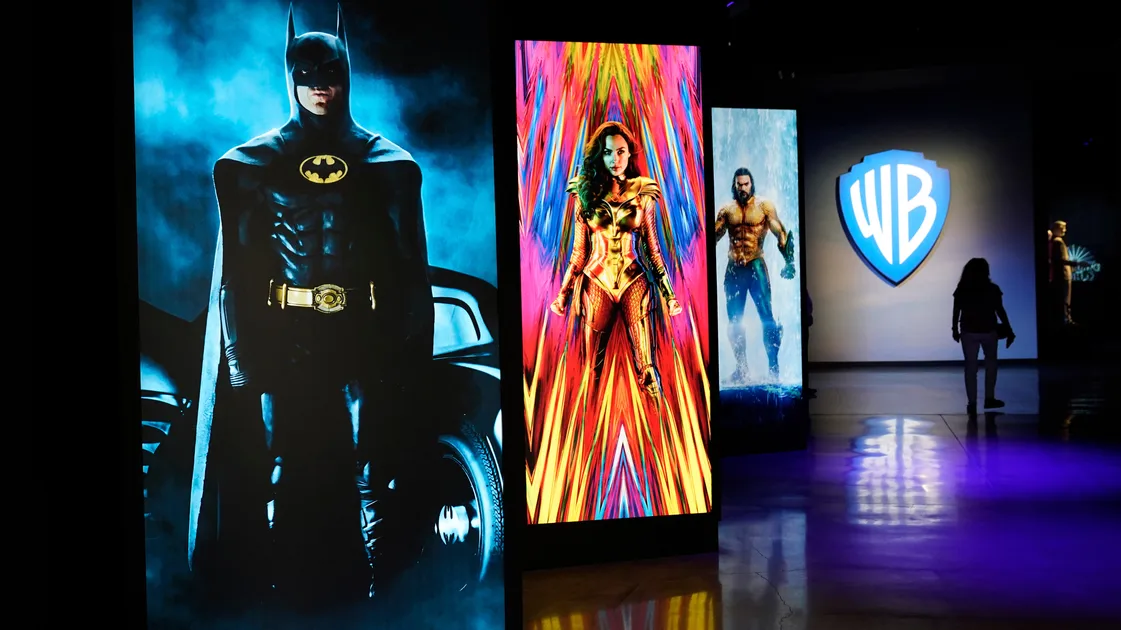
early a century ago, in 1927, Warner Bros. Pictures, already well-established in Hollywood, produced and distributed the first talking picture in cinema history, The Jazz Singer. In February 2013, Netflix, a Silicon Valley company specializing in streaming films online, released its first original production, the series House of Cards. On Friday, December 5, Netflix announced its acquisition of Warner Bros. for $83 billion.
Of all the seismic events Hollywood has experienced since cinema first became mass entertainment in the early 20th century, this one has the potential to be the most devastating. That is because the deal between Netflix and the Warner Bros. Discovery conglomerate still requires approval from US regulatory authorities, and that approval is not guaranteed. "They have a very big market share... There's no question about it. It could be a problem," said Donald Trump on Sunday, December 7.
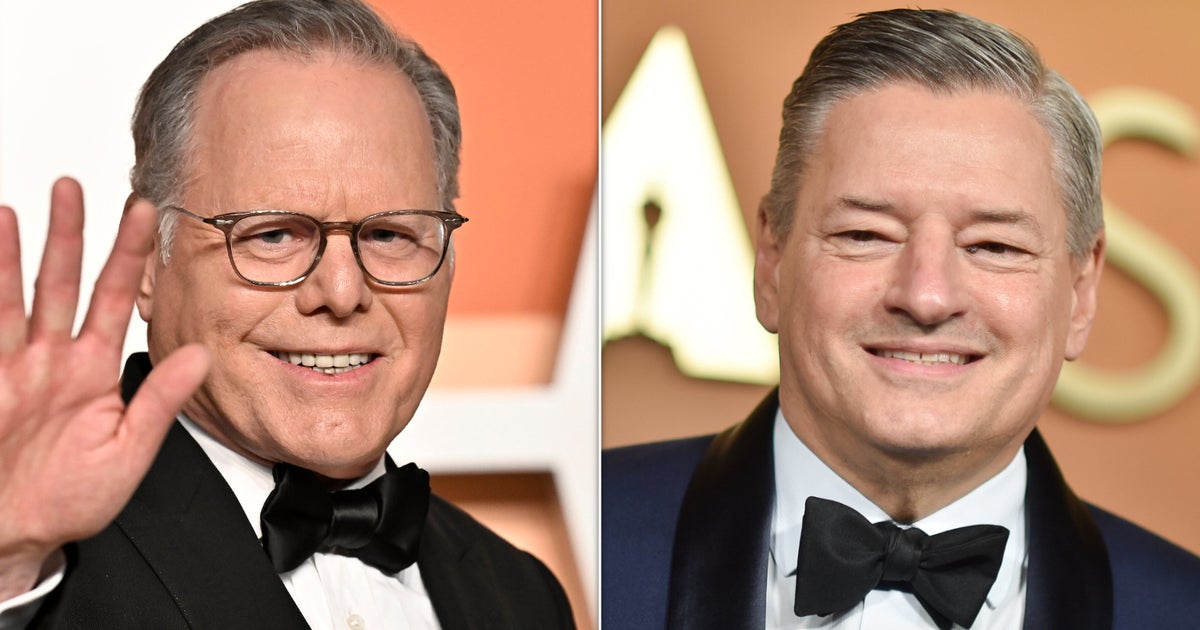
To continue with the metaphor, the earthquake's first aftershock was felt immediately after the president's remarks. David Ellison, who recently acquired Paramount and the CBS network with the help of the enormous personal fortune of his father Larry Ellison, founder of tech giant Oracle, announced that he was also launching a hostile takeover bid for Warner Bros. Discovery. He is offering to buy the entire conglomerate, including the television channels (among them CNN) that Netflix was not interested in, at a higher price per share than what the platform is offering. The Ellisons had their eye on Warner and hope that their good standing with Trump would give them an advantage over Netflix. The personal involvement of the president in the transaction may prove them right.