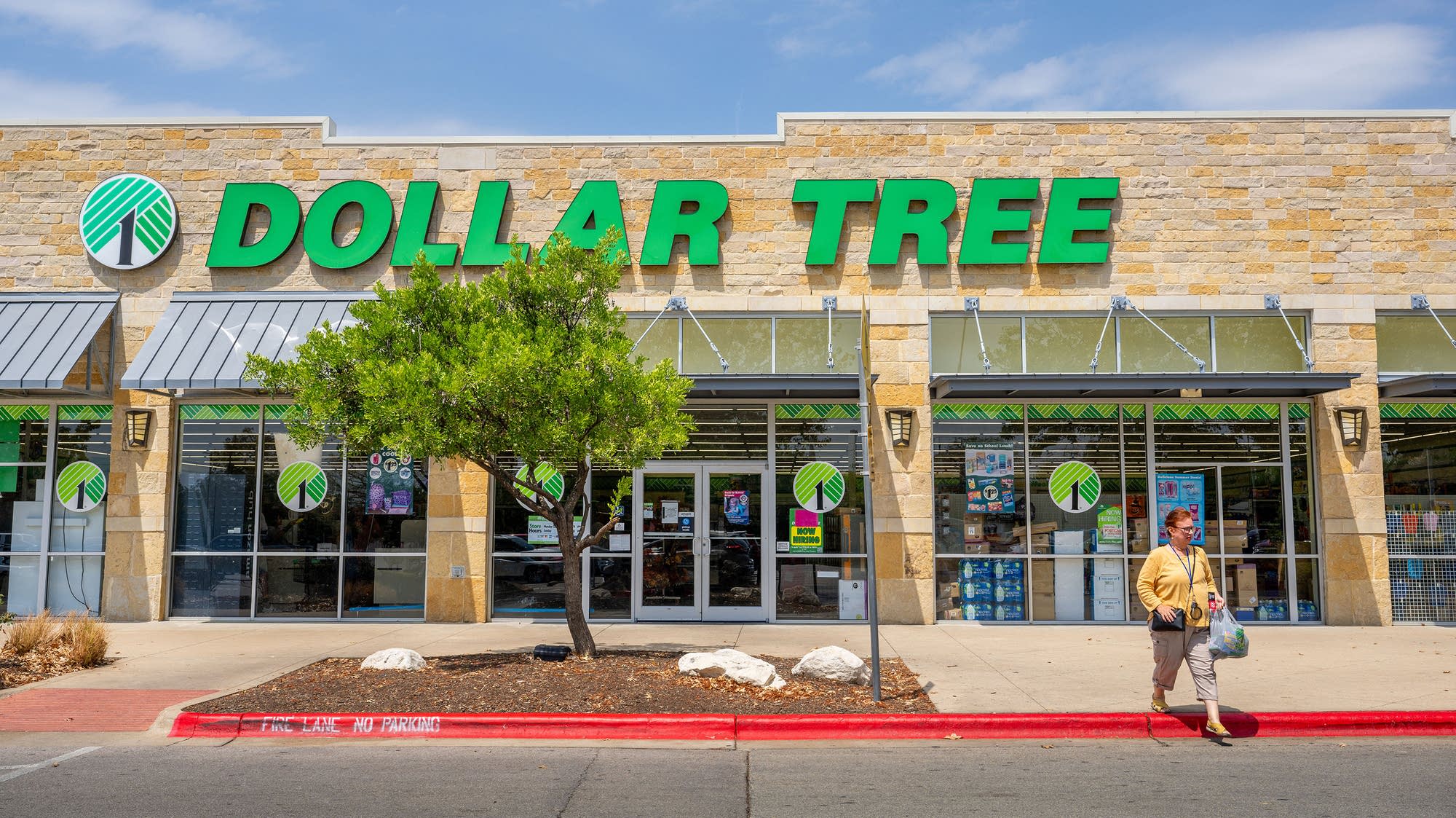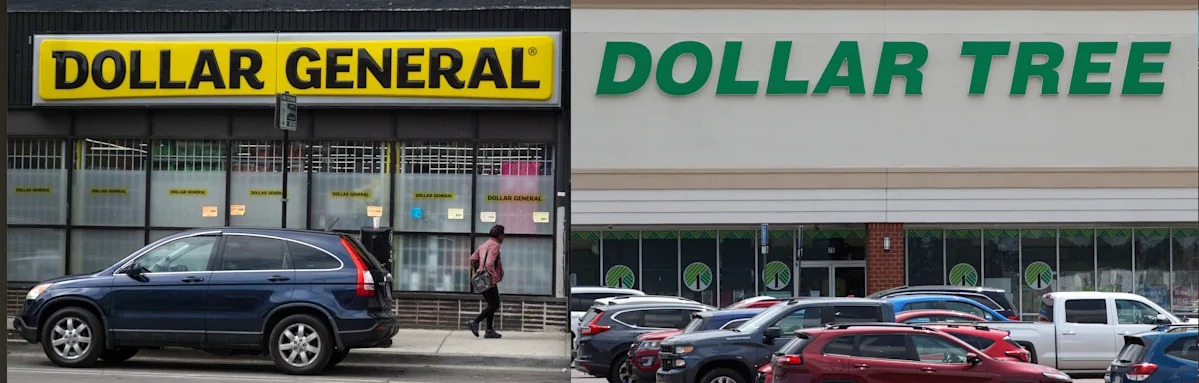
Something unusual is happening at Dollar Tree: The discount retailer said this week that of the 3 million new households that shopped its stores in the third quarter, approximately 60% of those new customers came from households earning more than $100,000 a year.
The trend underscores a deepening split in the American economy. While cumulative inflation has pushed prices up roughly 25% since 2020, wage growth has not kept pace for most households, leaving consumers across the income spectrum hunting for deals.
“Higher income households are trading into Dollar Tree, lower-income households are depending on us more than ever,” Dollar Tree CEO Michael Creedon Jr. told analysts on Wednesday. The Virginia-based chain, where 85% of sales during the quarter were priced at $2 or less, reported same-store sales growth of 4.2%.
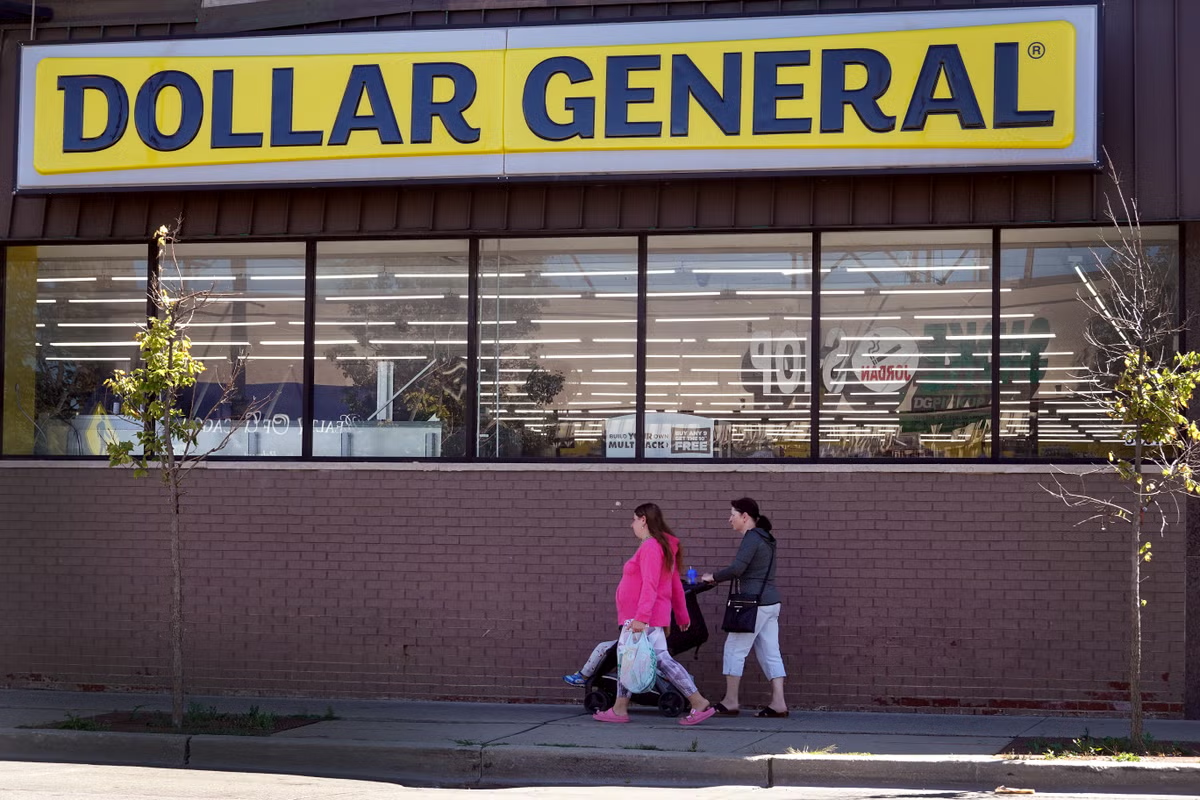
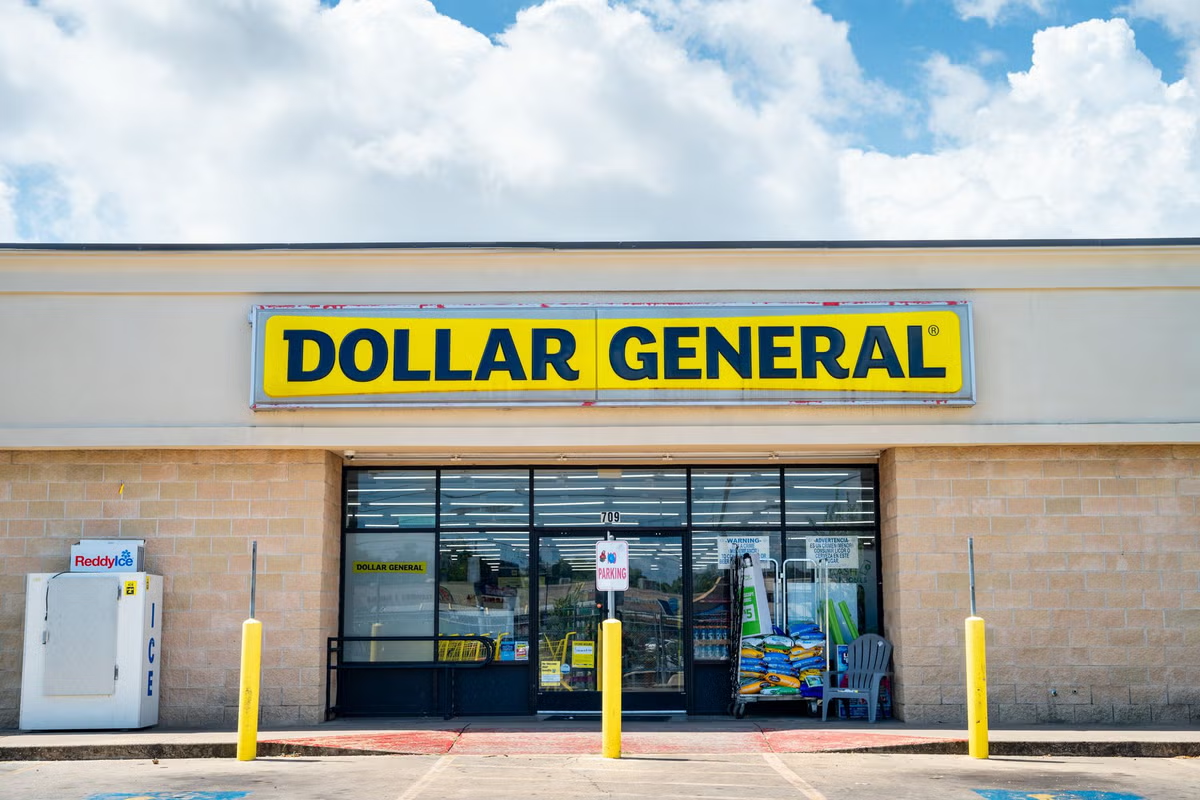
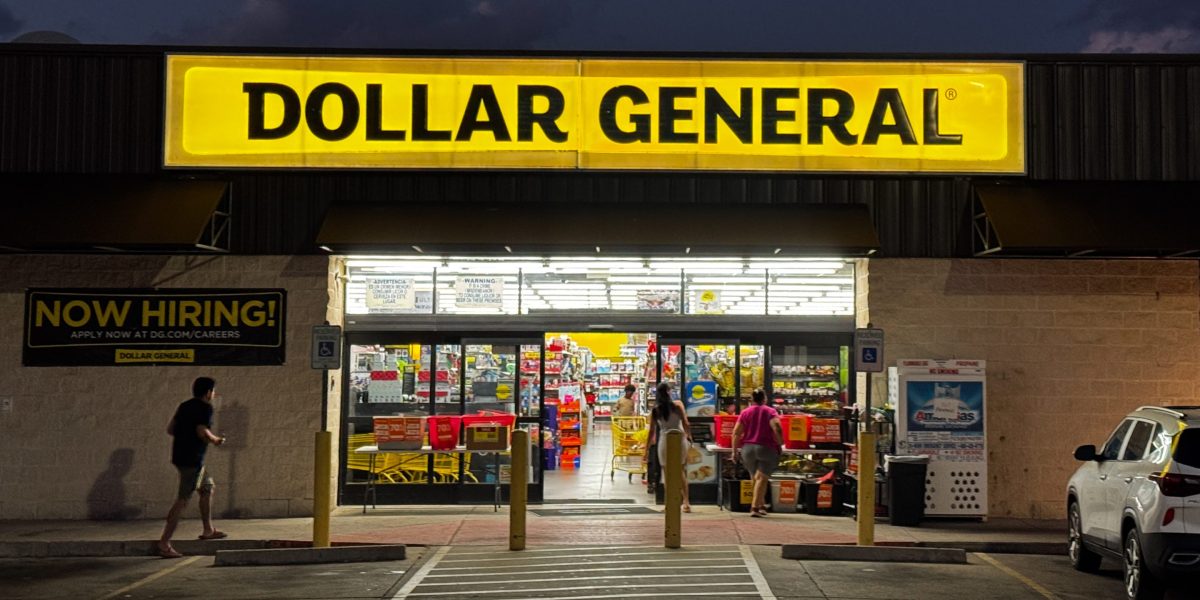
Dollar General, the nation’s largest dollar-store chain with nearly 21,000 locations, reported similar dynamics in its own earnings report this week. CEO Todd Vasos noted “disproportionate growth coming from higher-income households” in the third quarter, as same-store sales rose 2.5% on a 2.5% increase in customer traffic. The company’s net profit climbed 44% to $282.7 million. Discount retail chain Five Below also raised its profit outlook for the rest of the year, lifted by demand for budget-friendly goods and a weaker labor market.