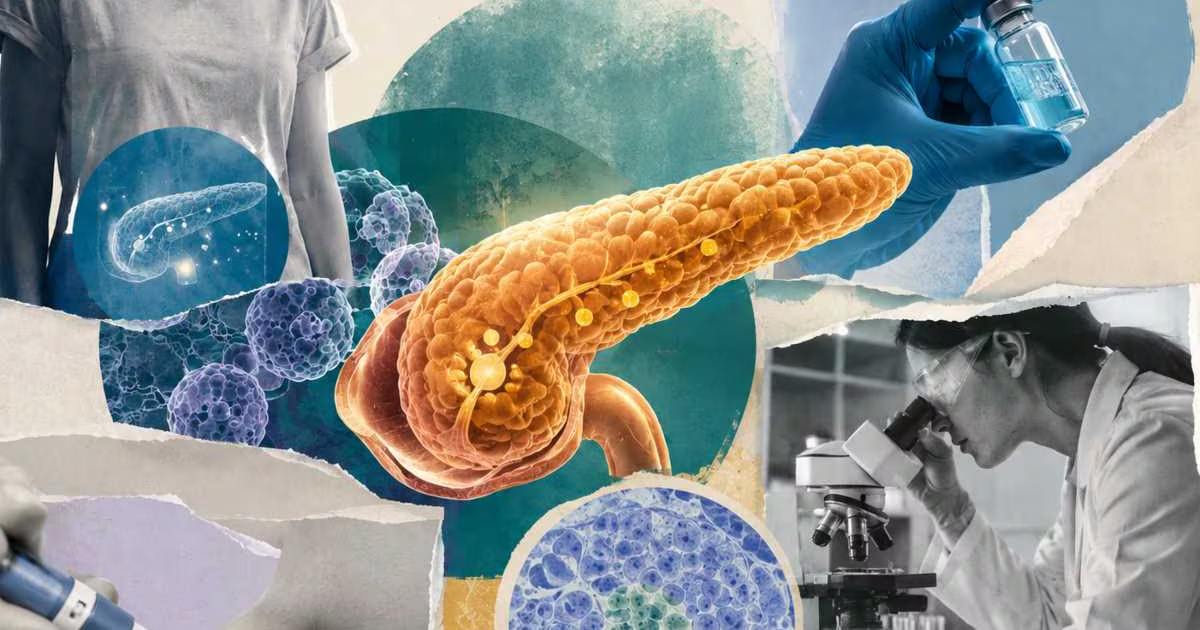
BUENOS AIRES, Dec. 4 (UPI) -- Argentine scientists have identified a mechanism that allows pancreatic beta cells, which produce insulin, to become resistant to damage. The finding opens the door to new therapies for diabetes, a disease that affects more than 500 million people worldwide.
The discovery was made by researchers at the Immuno-Endocrinology, Diabetes and Metabolism Laboratory at CONICET-AUSTRAL, led by Marcelo J. Perone. The team showed that these cells can adapt to moderate stress and withstand attacks that would normally destroy them.
Diabetes develops when beta cells are damaged or destroyed, preventing the body from producing enough insulin, the hormone that regulates blood sugar. In Type 1 diabetes, an autoimmune attack wipes them out; in Type 2, stress caused by obesity, chronic inflammation and high glucose levels gradually wear them down.
The study is significant because it shows how the cells can be "trained" with low levels of inflammation to resist greater harm, offering a foundation for therapies that protect them and slow the progression of the disease.
According to the authors, the findings published in the journal Cell Death & Disease makes it possible to design treatments that protect beta cells and help manage a metabolic disease with major health and economic impacts worldwide.