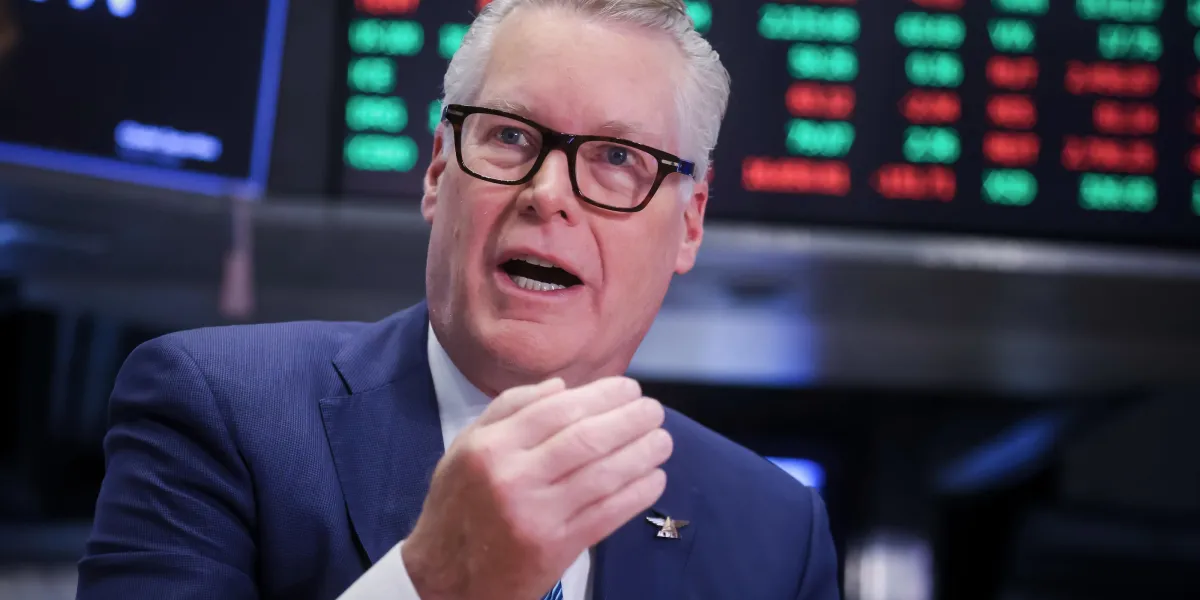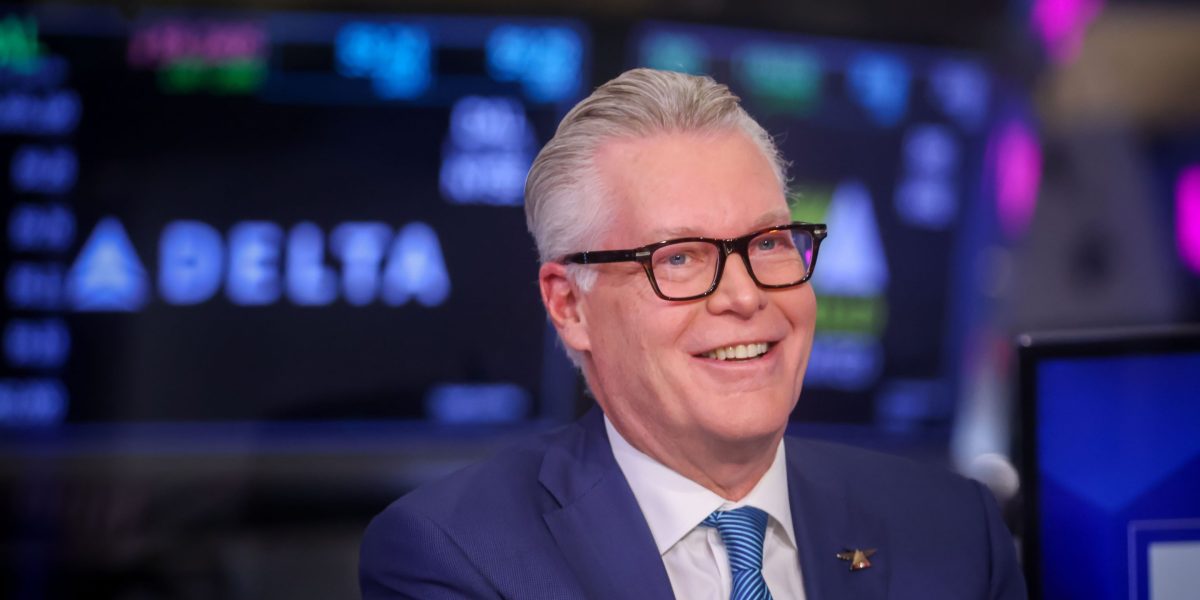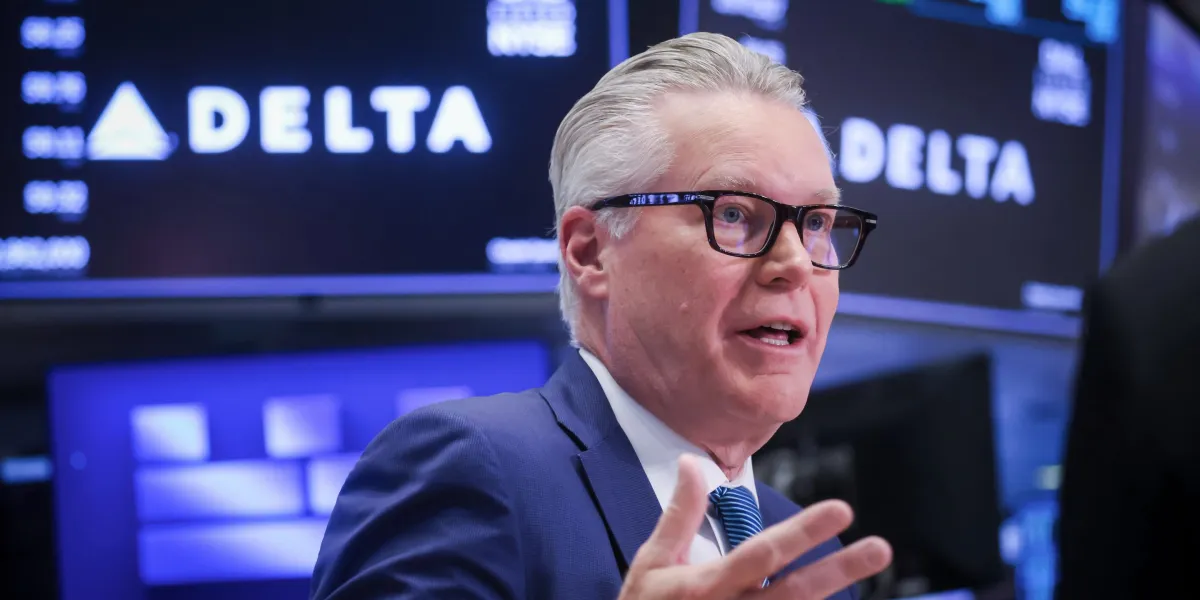
Bastian told investors that refunds “grew significantly” while bookings slowed amid the uncertainty in air travel caused by the 43-day shutdown, contributing to Delta’s loss of about 25 cents per share.
The shutdown, which began Oct. 1, led to long delays at major airports and historic flight cancellations at 40 of the country’s busiest airports as more unpaid air traffic controllers missed work, citing additional stress and the need to take on side jobs. As the shutdown dragged into a second month, the Federal Aviation Administration issued an emergency order requiring commercial airlines to cancel up to 6% of their domestic flights — a decision that Transportation Secretary Sean Duffy described as necessary to guarantee safe air travel.
“When you’ve got the secretary of transportation telling people we don’t have controllers, questioning the safety at some level of travel, which has never before happened,” Bastian said, it led to more customers holding off on booking their holiday travel.
More than 10,000 flights were cut between Nov. 7, when the FAA’s order took effect, and when the restrictions were fully lifted on Nov. 16, less than two weeks before Thanksgiving, the busiest travel period in the U.S.