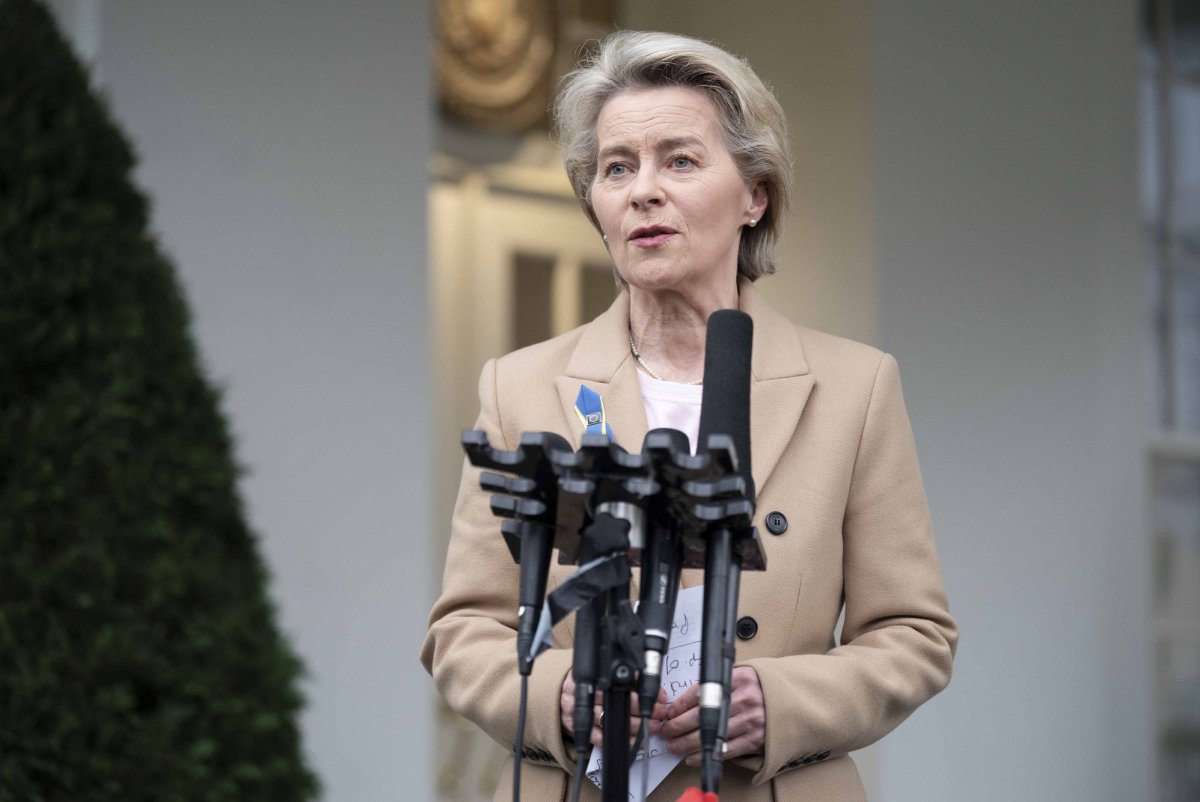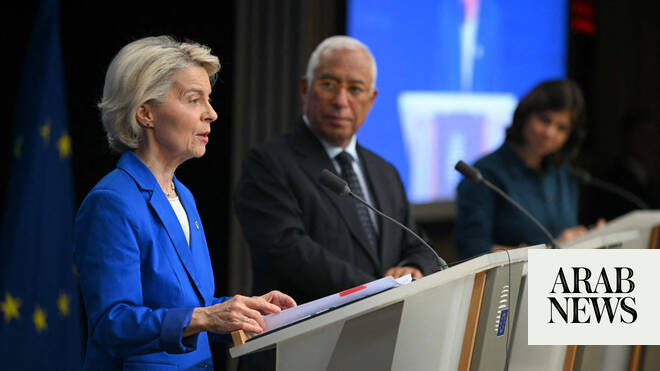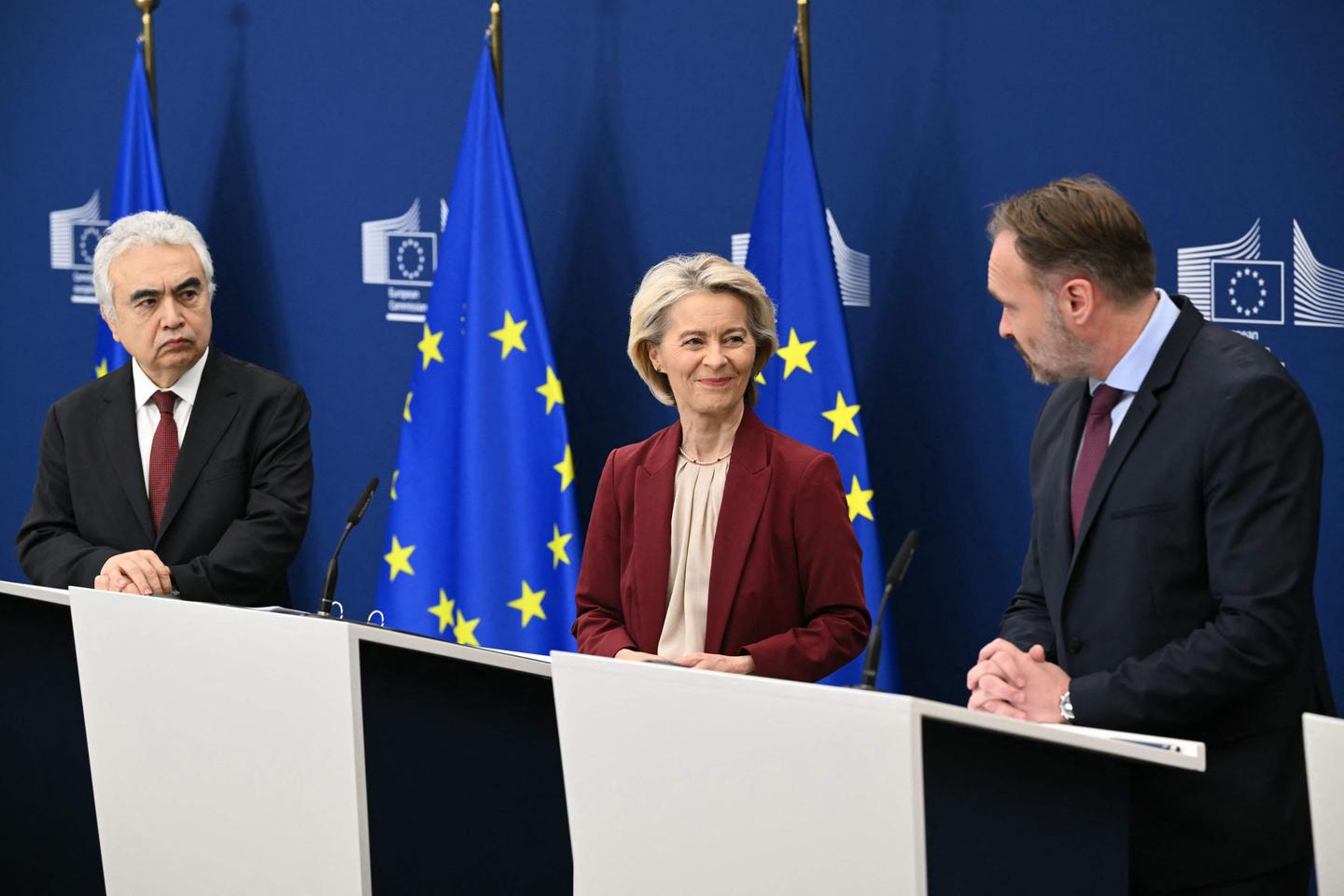
Fatih Birol, executive director of the International Energy Agency (IEA), Ursula von der Leyen, president of the European Commission and Dan Jorgensen, European commissioner for energy and housing, Brussels, December 3, 2025. NICOLAS TUCAT / AFP
While they have been sidelined in peace talks between the United States, Ukraine and Russia, European leaders attempted to reclaim a role on Wednesday, December 3. After three months of deliberation, the Commission presented a detailed proposal outlining how the European Union could continue to provide financial support to Kyiv in 2026 and 2027. The need is urgent: At the start of 2026, Ukraine will have exhausted all aid provided thus far by the 27 member states. With the US and Donald Trump now withdrawing, the EU has found itself on the front line to meet Ukraine's needs.
Ursula von der Leyen, president of the European Commission, who until now had supported a single option – a reparations loan using Russian central bank assets frozen on the continent – has been forced to consider an alternative: a common EU debt guaranteed by the bloc's budget.
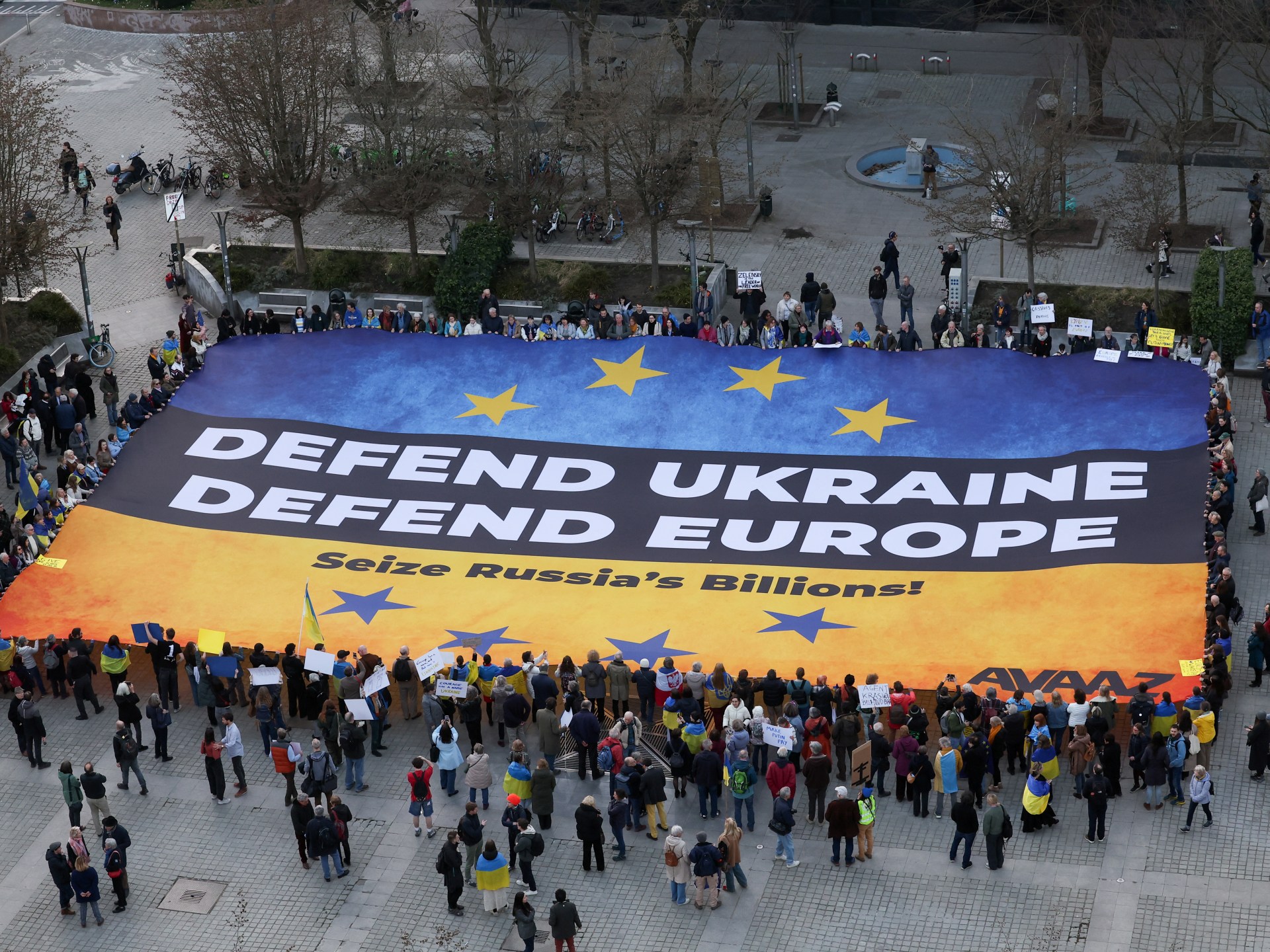
On paper, the reparations loan would spare often heavily indebted member states from incurring a new expense. The Commission has insisted that this would not involve seizing the Russain assets themselves, which would be illegal and could destabilize Europe's financial markets. Von der Leyen has also presented a moral argument, as this mechanism would require Russia to pay. The proposal assumes Ukraine would repay the money after the war, "if and when Russia is paying reparations," the Commission noted. The plan also relies on the premise that, as long as Moscow refuses to pay for the damage inflicted on Ukraine, its assets will remain frozen.