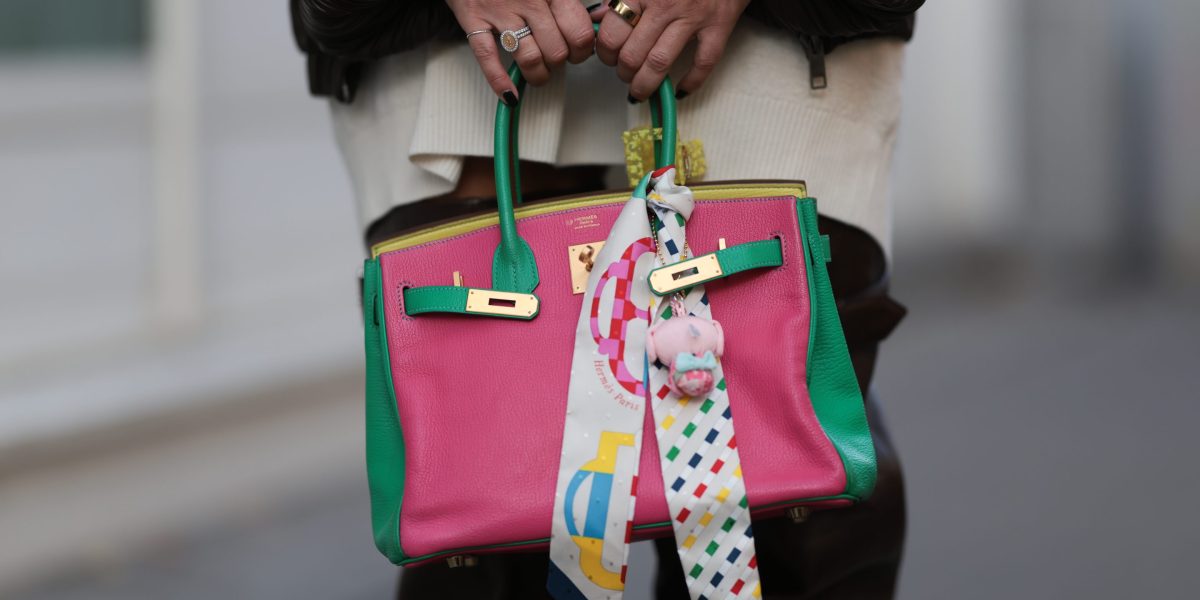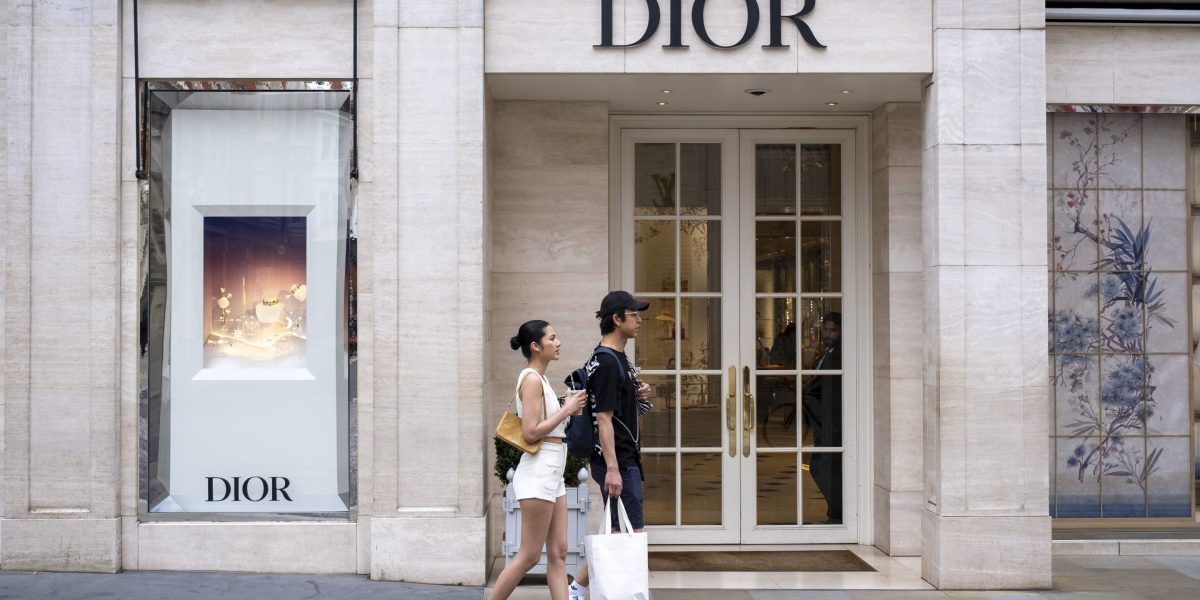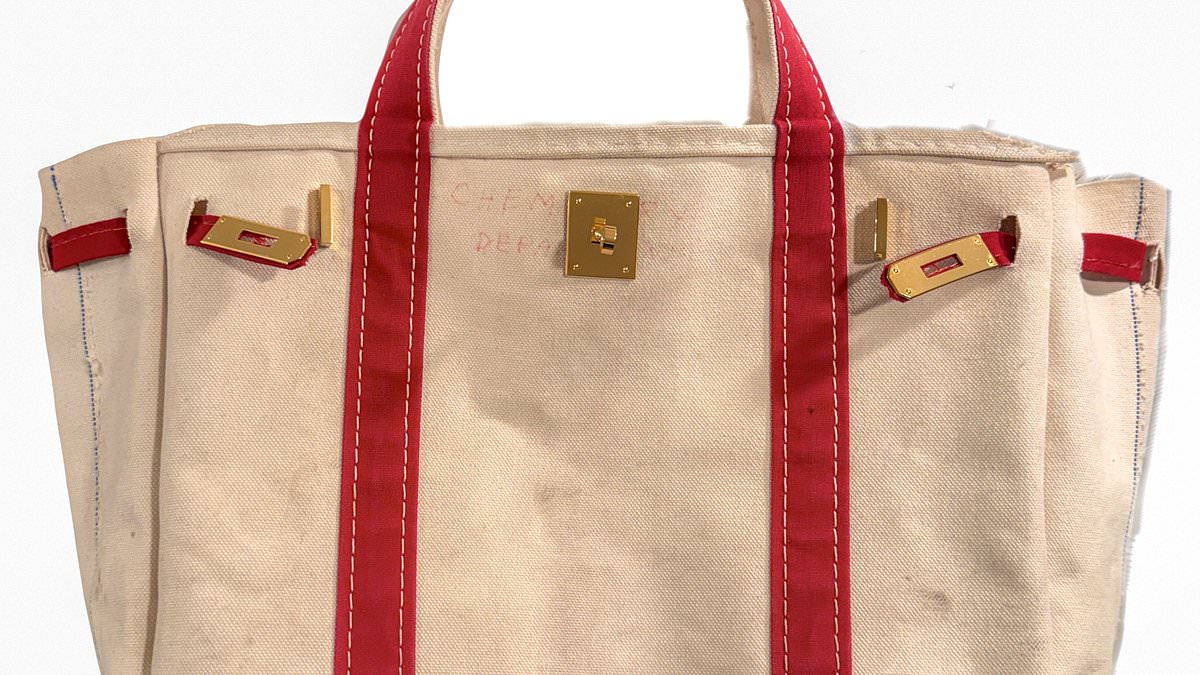
Having a Hermès Birkin was once the litmus test for being extremely wealthy. With yearslong wait-lists and eye-popping price tags, the purse was the ultimate symbol of luxury—until Walmart started selling an aesthetically identical version for $80 instead of $25,000.
Fashion lovers on TikTok were quick to hype up the low-price retailer’s affordable Birkin dupe, celebrating that they finally had access to the bag gate-kept by the one percent. Content creators criticized those turning their noses up at knockoffs, saying that non-rich people still deserve to own the style. Dupes such as the Walmart “Birkin” brought high fashion to the middle class. It was one step closer to leveling the playing field.
“The shame of buying these things has gone,” Alice Sherwood, author of Authenticity: Reclaiming Reality in a Counterfeit Culture, told Wired. “Luxury prices have skyrocketed while the trend cycle has rapidly accelerated. People no longer want to spend upwards of [thousands] on the latest ‘it’ bag that might be out of vogue within a year.”
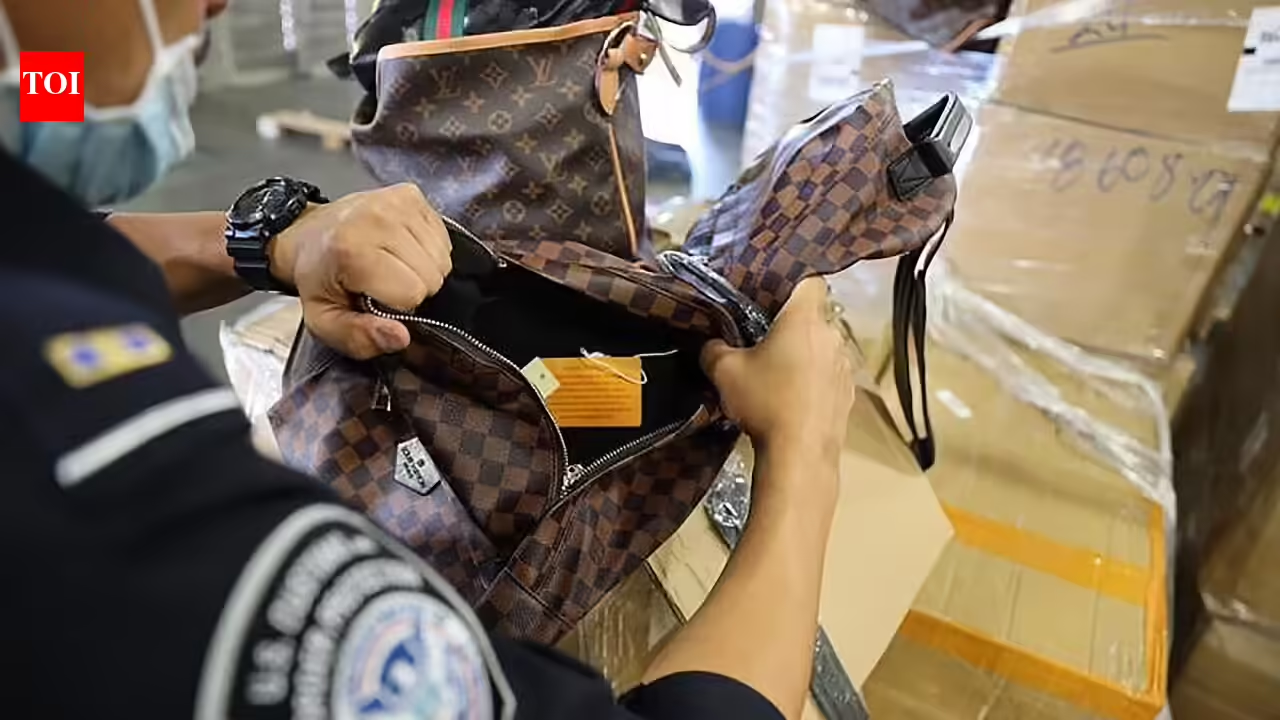
The Walmart Birkin is just one of many luxury product knockoffs that have flooded the market. No item or brand is impervious from cheap imitation—from specialty Jordan sneakers, to the purse dupes sold on Canal Street, to high-end hair care. Other elements of a luxury lifestyle have become more accessible too. Looking “healthy” or aesthetically pleasing—with clear skin, a symmetrical face, and slim-fit body—became the new signifier of wealth. But with the rise of Ozempic and lower-cost cosmetic procedures, that’s no longer out of reach for people in different tax brackets, either.