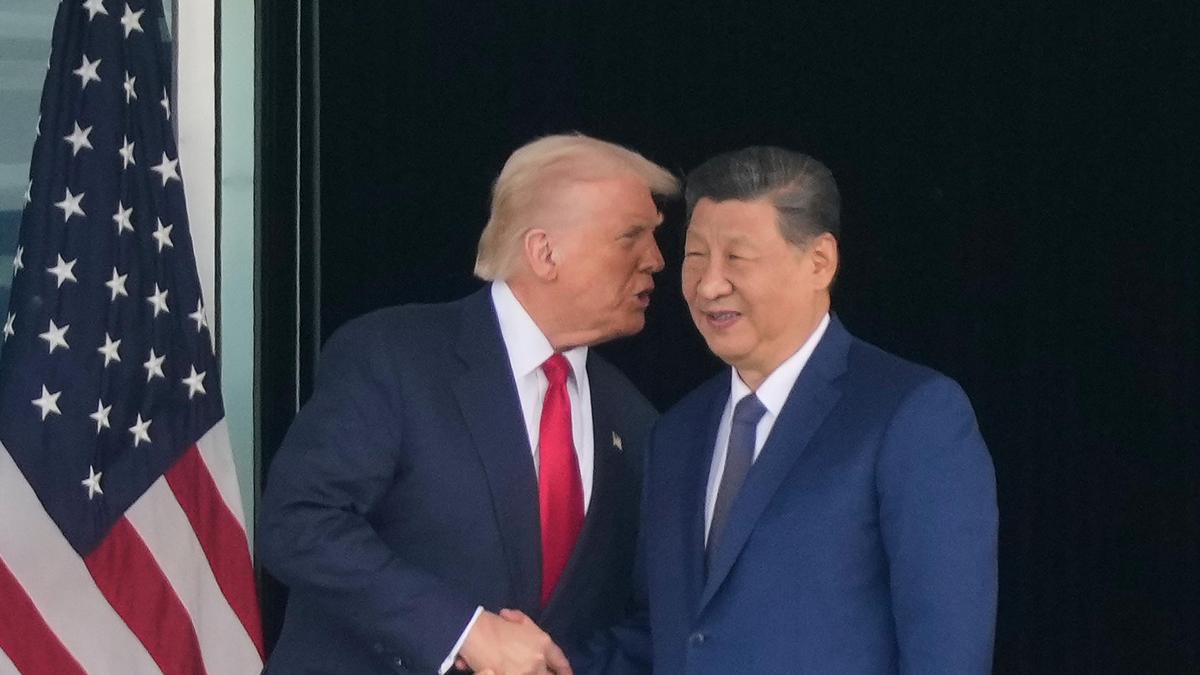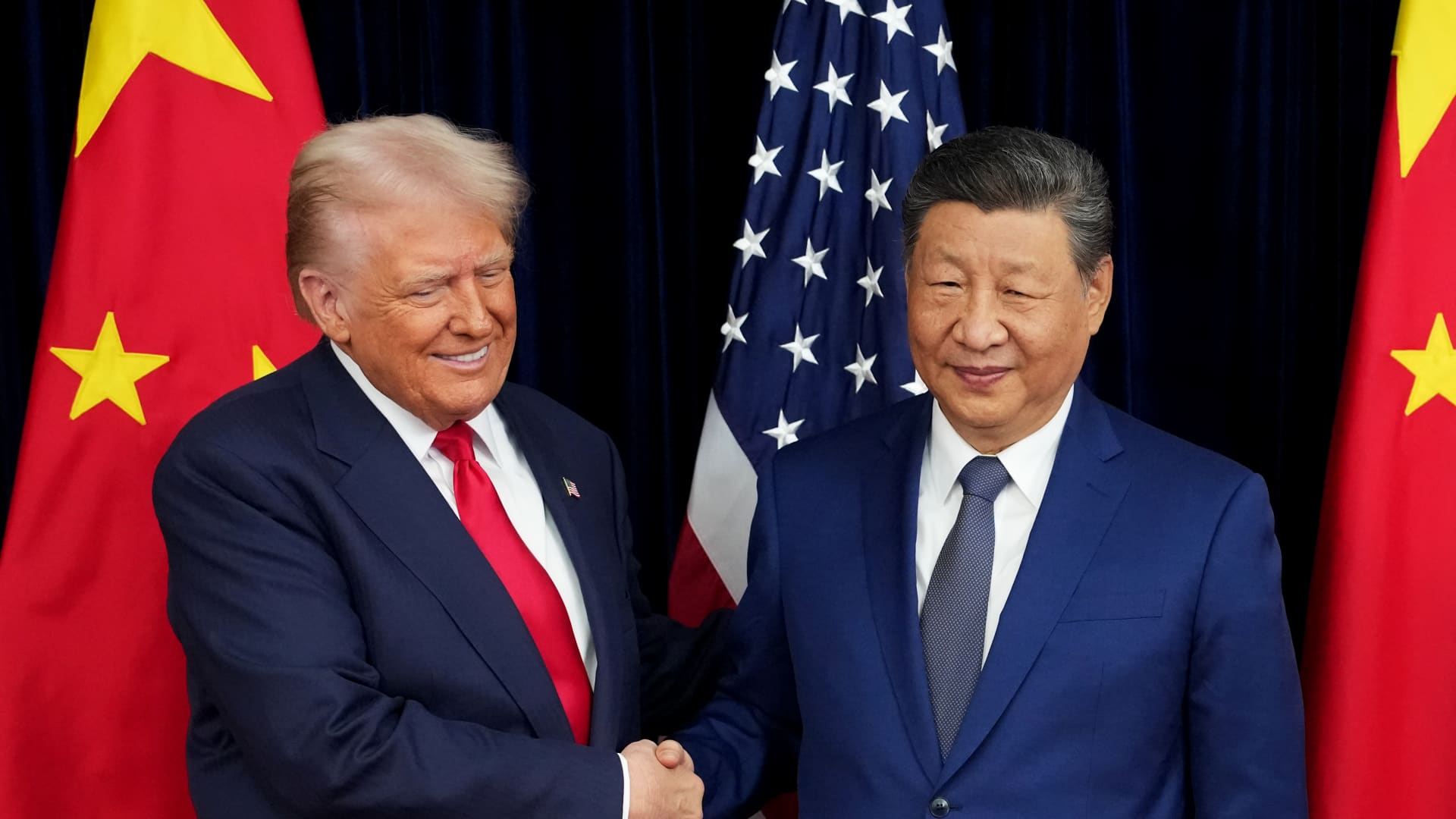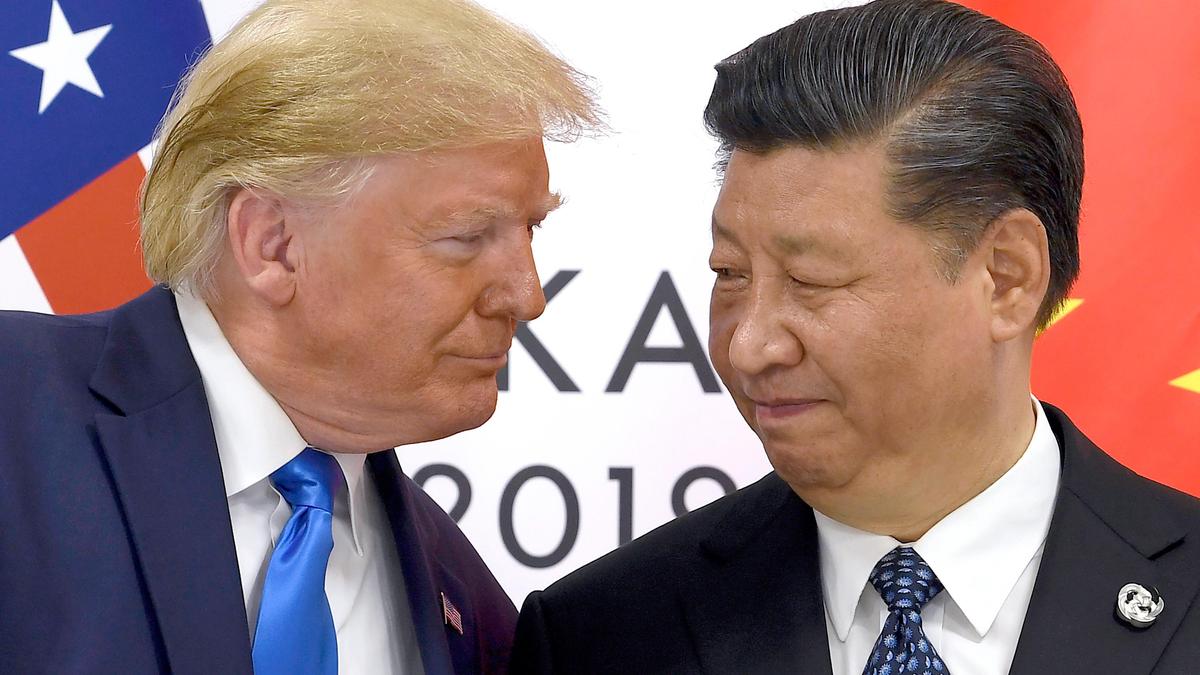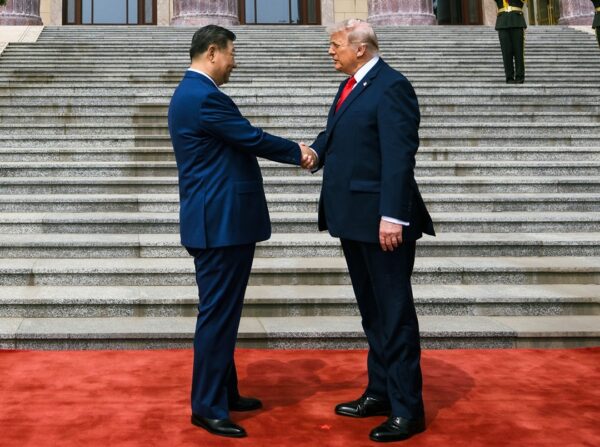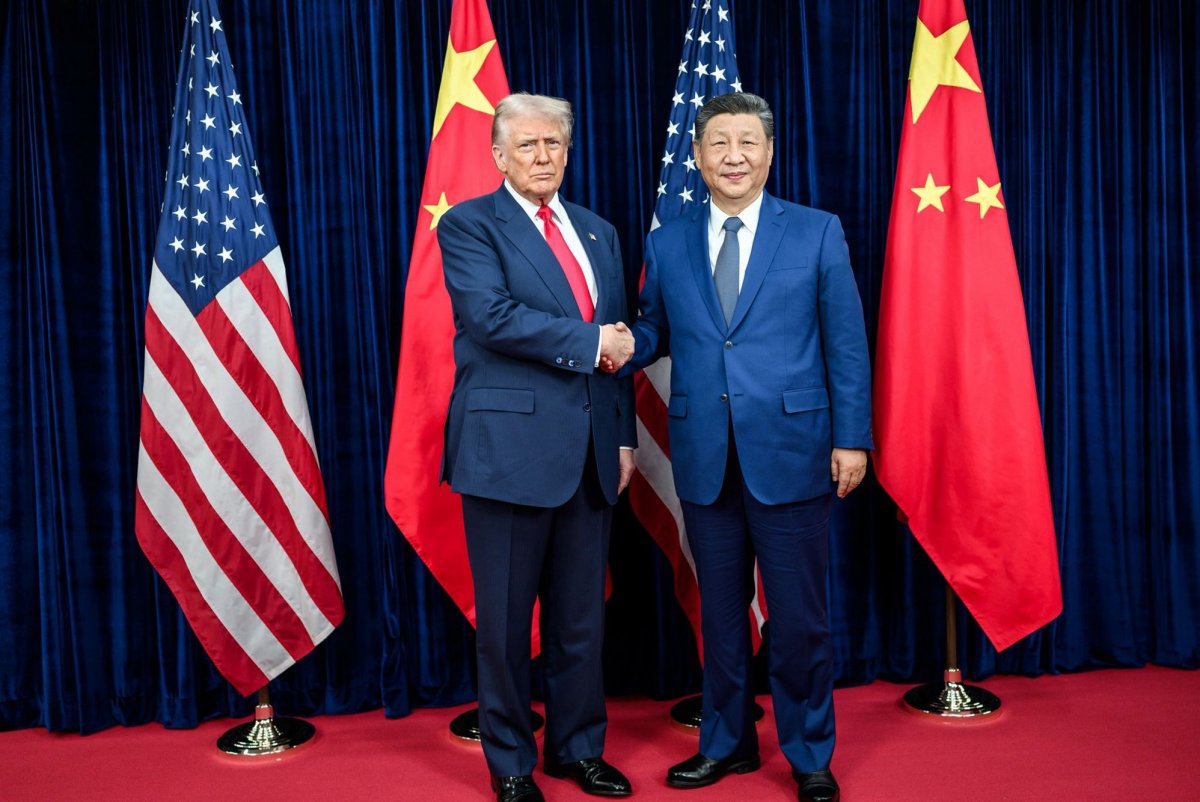
Dec. 3 (UPI) -- The meeting between President Xi Jinping and President Donald Trump in Busan, South Korea, offered a welcome pause to the friction that has defined U.S.-China relations in recent months. Against this backdrop, the Institute for China-America Studies convened its 2025 Annual Conference in Washington, bringing together Chinese and American experts -- nearly 200 participants online and in person -- to discuss the future of this critical bilateral tie.
Both leaders appeared determined to avoid further deterioration and to project a sense of stability to their domestic audiences, particularly for President Trump who claimed to finally strike a mega deal with China. Following the meeting, the Trump administration triumphantly described what it framed as a huge achievement safeguarding U.S. national security: China would resume purchases of American soybeans, the two sides would mutually suspend port fees, and Washington would delay its 50% entity list rules in exchange for Beijing's one-year delay on some rare earths export restrictions, alongside a partial rollback of the other tariffs. Yet the irony was hard to miss -- virtually every trigger of this latest round of economic tension, from fentanyl tariffs to port fees and entity-list bans, had been unilaterally imposed by Washington in the first place. The White House was, in effect, celebrating its own reversal.