T
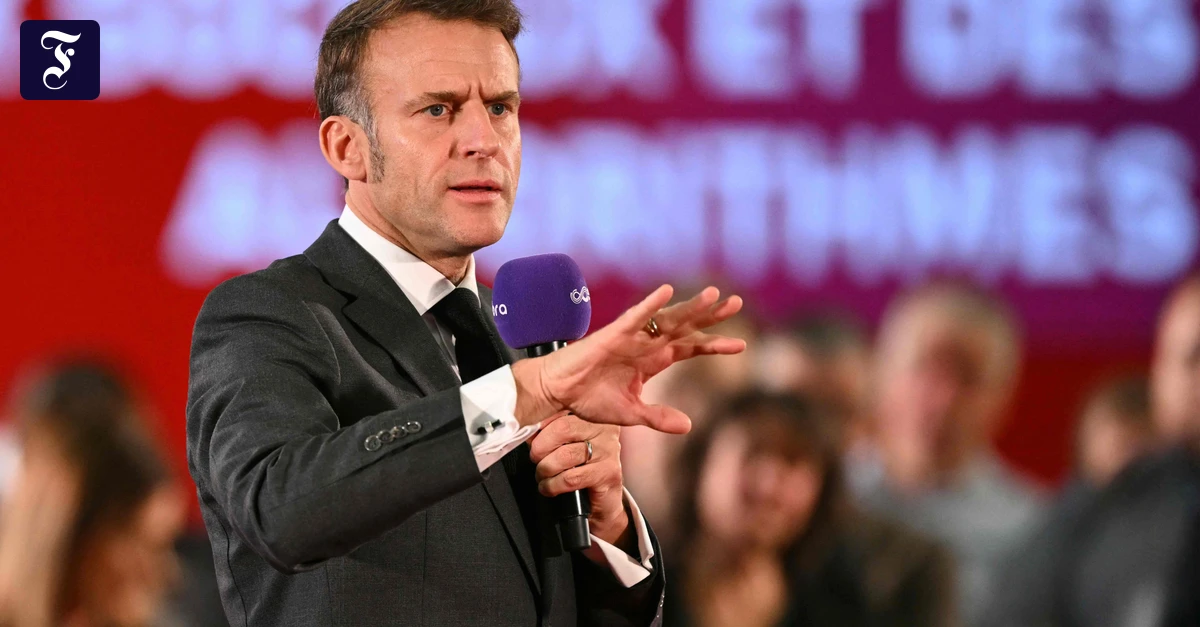
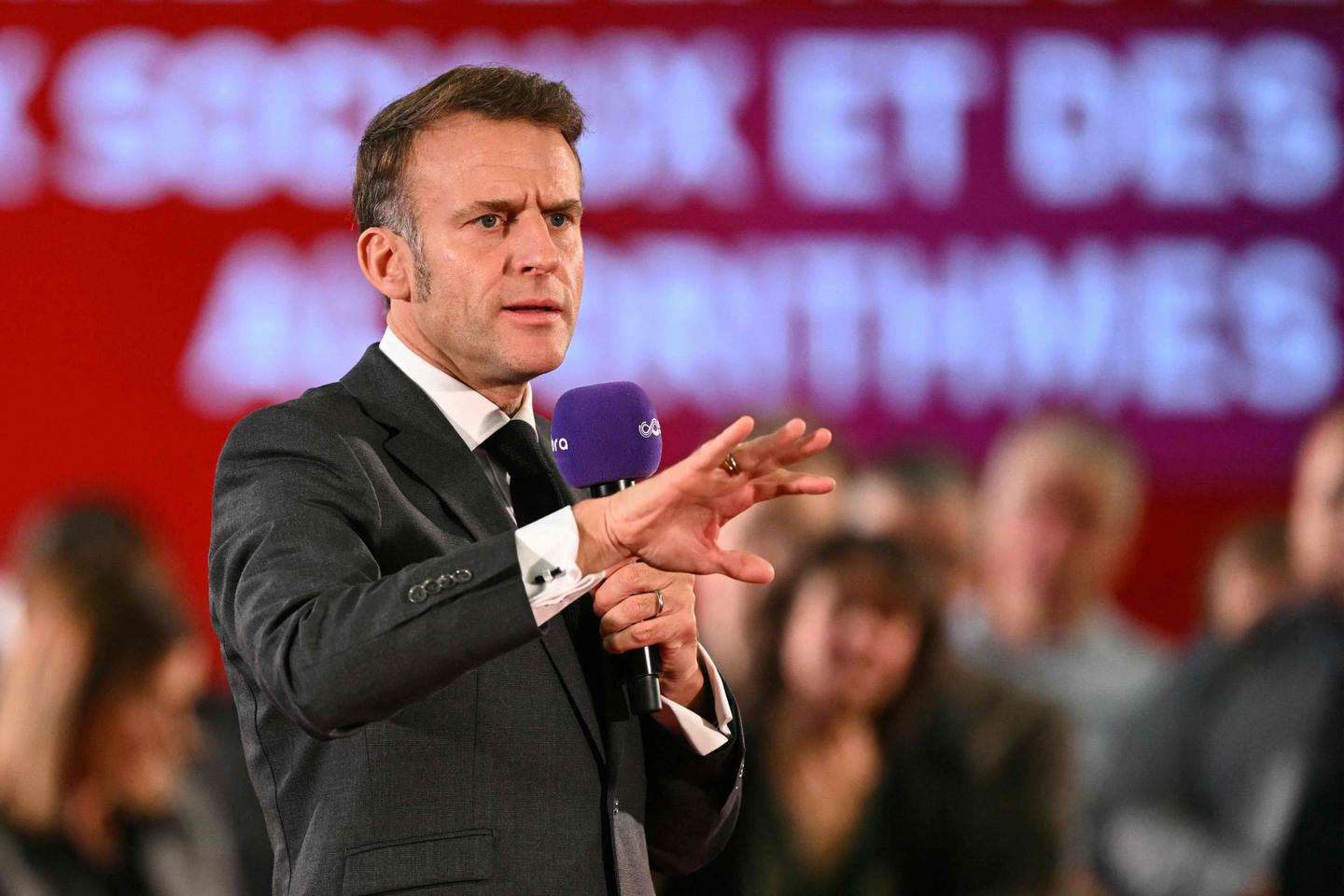
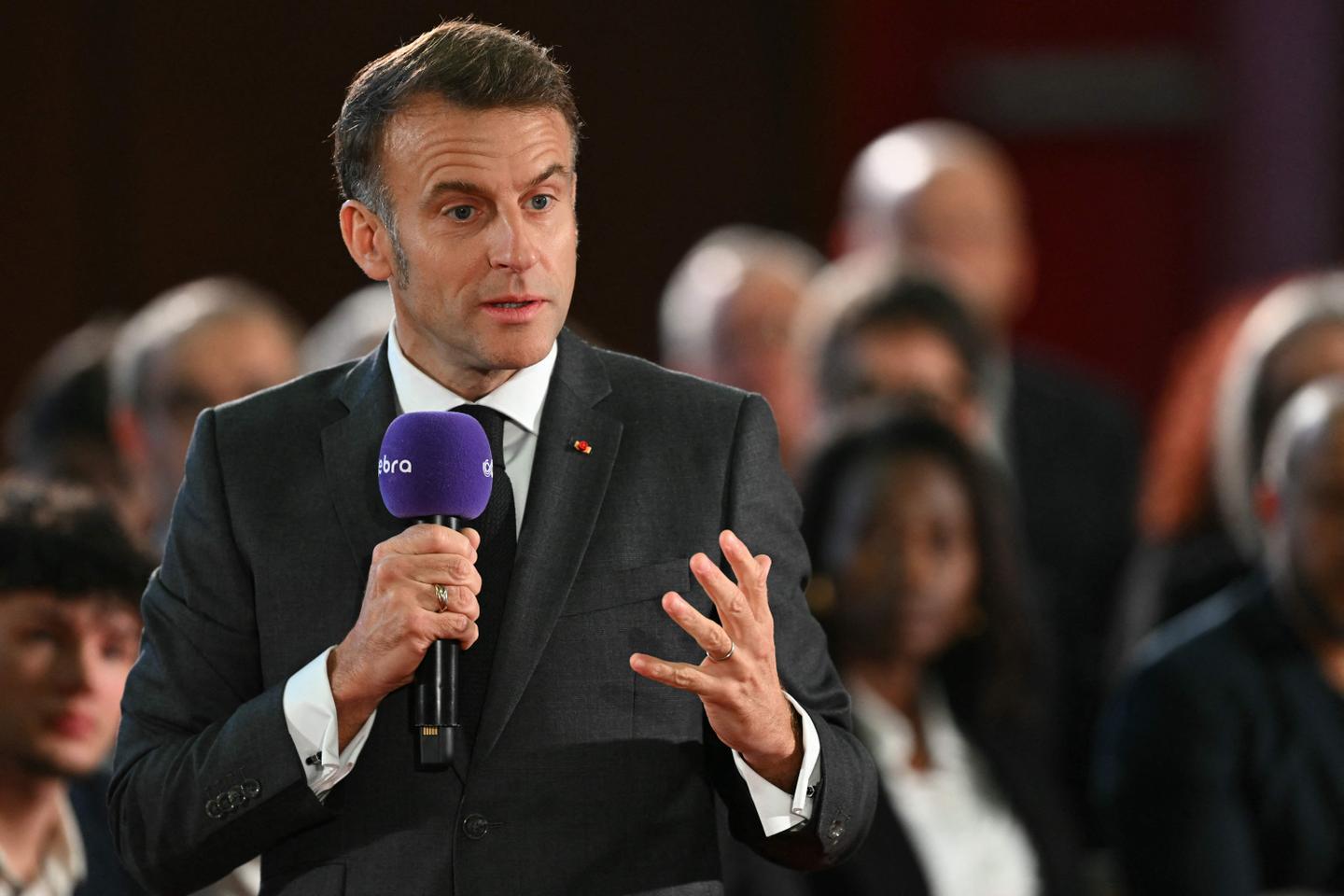
he information war has begun. On Sunday, November 30, media organizations owned by billionaire businessman Vincent Bolloré launched a bitter offensive against President Emmanuel Macron after he proposed "labeling" news-producing websites and social networks that follow ethical standards, distinguishing them from those that spread disinformation. Bolloré's outlets – followed by the far right and parts of the right, with the media empire setting the agenda for political parties, rather than the other way around – immediately condemned what they called an "attack on freedom" and a threat to "free speech," echoing Trump-galaxy rhetoric and even accusing the president of an "authoritarian drift." The criticism was so intense, loud, and steeped in bad faith that Macron felt compelled to clarify his remarks on Tuesday, denying that he had ever proposed a "state label," and emphasizing that he had no intention of creating any label, "let alone a ministry of truth."
Subscribers only
Macron targeted by billionaire's media over proposal to 'label' news organizations
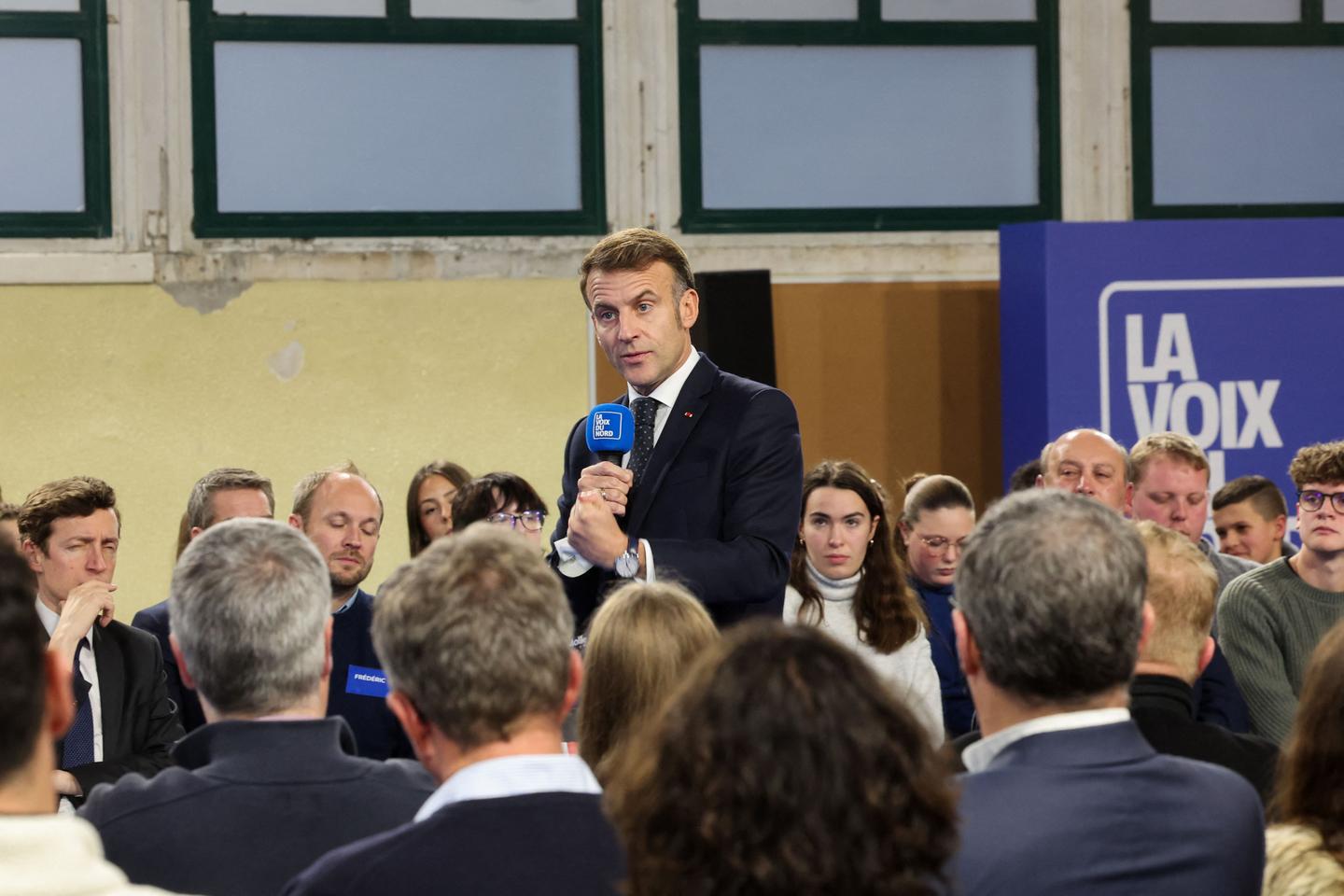
Macron has recently launched an initiative to address the risks that social media poses to democracy. His interest in the issue is longstanding. As early as 2018, angered by the "dishonest propaganda" spread by Russian media outlets RT and Sputnik during his presidential campaign, he pushed for a law to counter false information circulated during election periods. Enacted on December 22, 2018, that law created, among other things, a civil injunction mechanism allowing the authorities to halt the spread of fake news in the three months before an election. But it proved difficult to implement. At the same time, Macron praised the Journalism Trust Initiative led by Reporters Without Borders, which certifies media organizations through independent audits to verify adherence to ethical standards, a way to strengthen public trust in journalism.